A wave of major Chinese construction and infrastructure conglomerates has expressed a formal interest in expanding their investment portfolios within Vietnam, signaling a significant shift in regional economic cooperation. On the afternoon of November 12, the Vietnam Association of Construction Contractors (VACC) hosted a high-level delegation from the China International Contractors Association (CHINCA), marking a pivotal moment in the bilateral construction and infrastructure development landscape.
This meeting, attended by industry leaders from both nations, underscored a mutual desire to deepen collaboration in strategic sectors, including high-speed rail, urban transit systems, renewable energy, and industrial park development. As Vietnam accelerates its ambitious national infrastructure plan—aimed at upgrading connectivity and fostering industrial modernization—Chinese firms are positioning themselves to play a central role in these large-scale projects.
The Strategic Shift in Infrastructure Collaboration
The collaboration between VACC and CHINCA is not merely a bilateral exchange but a reflection of evolving regional supply chains and the increasing need for high-quality infrastructure to support Vietnam’s manufacturing boom. During the session, representatives from global giants, including PowerChina and the China Communications Construction Company (CCCC), articulated specific interests in aligning their technical expertise with Vietnam’s long-term developmental goals.
PowerChina, a titan in the global energy and construction sector, has maintained a robust presence in Vietnam since 2000. With an annual revenue exceeding $100 billion, the group has participated in over 70 projects across the country, with total contract values estimated at approximately $9 billion. Recently, the company has further solidified its footprint by joining a consortium to develop the Dau Tieng 5 solar power plant—a project valued at over 7,700 billion VND—and by participating in the high-profile Phu Quoc urban railway project.
The focus of these firms has shifted toward "next-generation" infrastructure. Beyond basic civil engineering, there is a strong emphasis on smart urban solutions, green energy transition, and integrated logistics hubs.
Connectivity and the "Belt and Road" Alignment
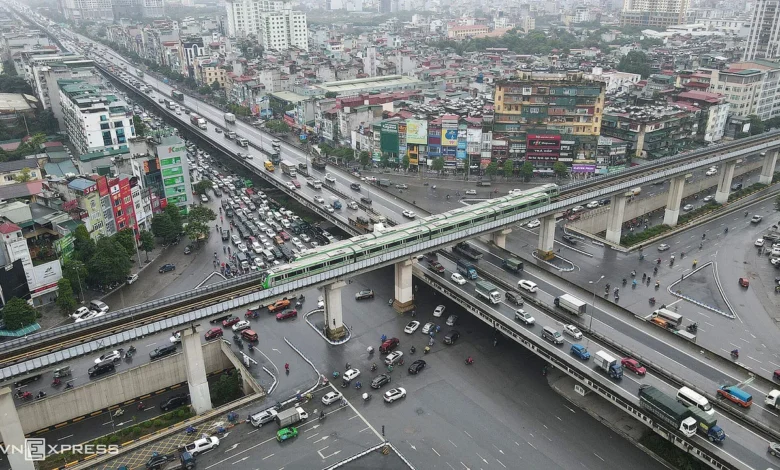
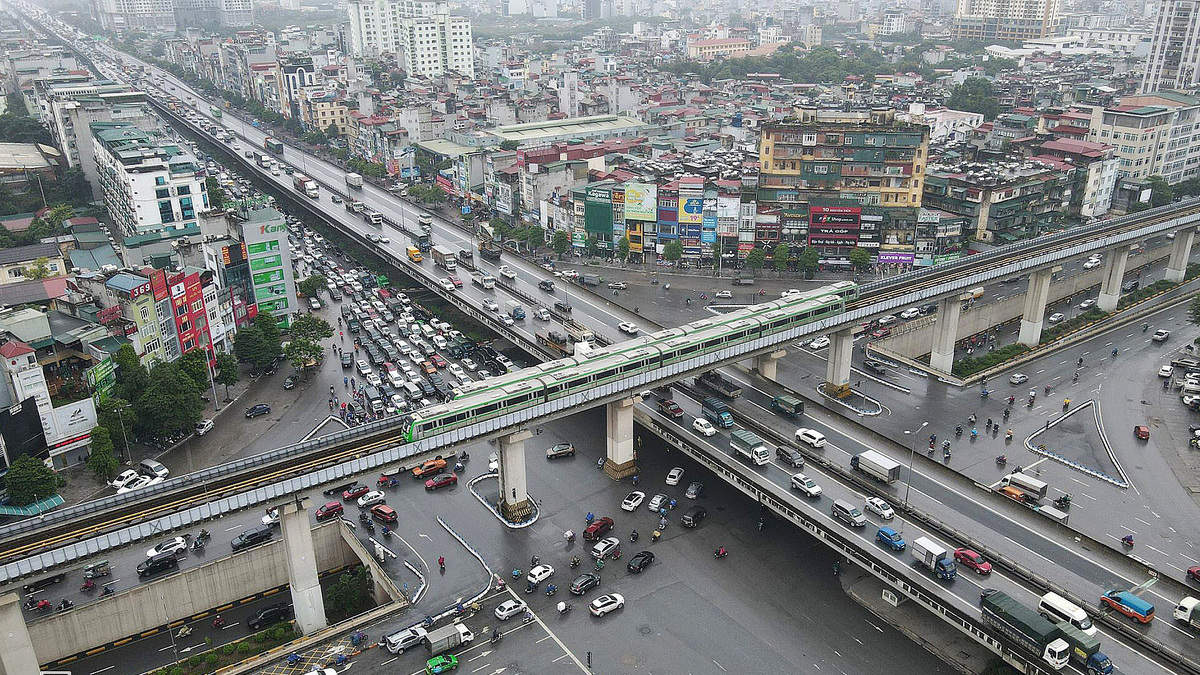
One of the key topics discussed was the development of cross-border and internal transport corridors. The China Communications Construction Company (CCCC) has identified the Lao Cai – Hanoi – Hai Phong railway line as a critical priority. This corridor is seen as a vital artery for regional logistics, connecting the economic engine of Northern Vietnam with Chinese manufacturing hubs and international maritime gateways.
Beyond the rail lines, CCCC is keen to leverage its expertise in highway construction and port management. The company’s proposal includes not just supplying heavy machinery, but moving toward a comprehensive investment model that includes localizing production chains. "If the opportunity arises, we intend to go beyond equipment supply and establish local manufacturing operations to create a sustainable supply chain within Vietnam," a representative noted during the meeting.
Domestic Industry Perspective: A Two-Way Street
Vietnamese industry leaders responded with a cautious but optimistic outlook, emphasizing the importance of technology transfer and human capital development. Mr. Nguyen Tuan Anh, Deputy General Director of Truong Son Construction Corporation, highlighted that previous collaborations with Chinese partners have yielded positive results, particularly in equipment procurement and technical integration.
"Our goal for future cooperation is to move toward deep technological partnership," Mr. Anh stated. "We are looking for expertise in high-speed rail and urban transit, but we also want to ensure that these projects serve as a catalyst for training a high-quality Vietnamese workforce capable of managing these systems independently."
This sentiment was echoed by Ms. Chu Thi Minh Tam, Deputy General Director of Quang Trung Industry Group. She proposed a localized approach to equipment manufacturing, suggesting that certain components for urban railway projects and renewable energy plants—such as waste-to-energy systems and air emission treatment technology—could be produced within Vietnam. Furthermore, she proposed joint ventures to develop deep-water ports, such as the Hai Ha industrial park project in Quang Ninh, which could serve as a model for future port-industry integration.
Economic Context and Data Analysis
The growing interest from Chinese firms is supported by robust investment data. In the first seven months of the year alone, total registered investment capital from Chinese investors in Vietnam reached nearly $3.7 billion. China is currently involved in approximately 850 new projects, cementing its position as a leading foreign investor.
As of the end of July, the cumulative data shows over 7,000 active projects funded by Chinese investors, with a total registered capital of nearly $37 billion. These investments are heavily concentrated in infrastructure, energy, processing and manufacturing, and high-tech electronics.
The following table summarizes the key sectors of interest for Chinese investors in the Vietnamese market:
| Sector | Strategic Focus |
|---|---|
| Transport Infrastructure | High-speed rail, Urban Metro systems, Expressways |
| Energy | Solar, Wind, Waste-to-Energy, Power grid modernization |
| Industrial/Urban | Industrial park development, Smart city systems |
| Manufacturing | Component production, Logistics and Supply chain hubs |
Implications for Vietnam’s National Development
The influx of interest from major Chinese construction firms carries both significant opportunities and strategic challenges. From an economic perspective, the involvement of these global players provides the necessary capital and technical expertise to complete projects that might otherwise face funding or technology gaps.
However, the scale of these projects necessitates rigorous oversight. Mr. Nguyen Quoc Hiep, Chairman of VACC, noted that Vietnam is currently entering a phase of massive infrastructure expansion, which creates an unprecedented workload for the construction industry. "This is a golden opportunity to harness external resources, but it must be managed through strong partnerships where technology transfer is the priority," Hiep emphasized.
The implications for the broader economy are multifaceted:
- Supply Chain Resilience: By encouraging foreign firms to move manufacturing of components to Vietnam, the government aims to reduce dependency on imported parts and foster a domestic heavy-industry ecosystem.
- Standardization: Collaboration on major rail and port projects will likely lead to the adoption of international construction standards, enhancing the competitiveness of Vietnamese contractors in the global market.
- Logistics Efficiency: Upgrading the Lao Cai-Hanoi-Hai Phong corridor is expected to significantly reduce logistics costs, which are currently a drag on Vietnam’s export competitiveness.
Challenges and Future Outlook
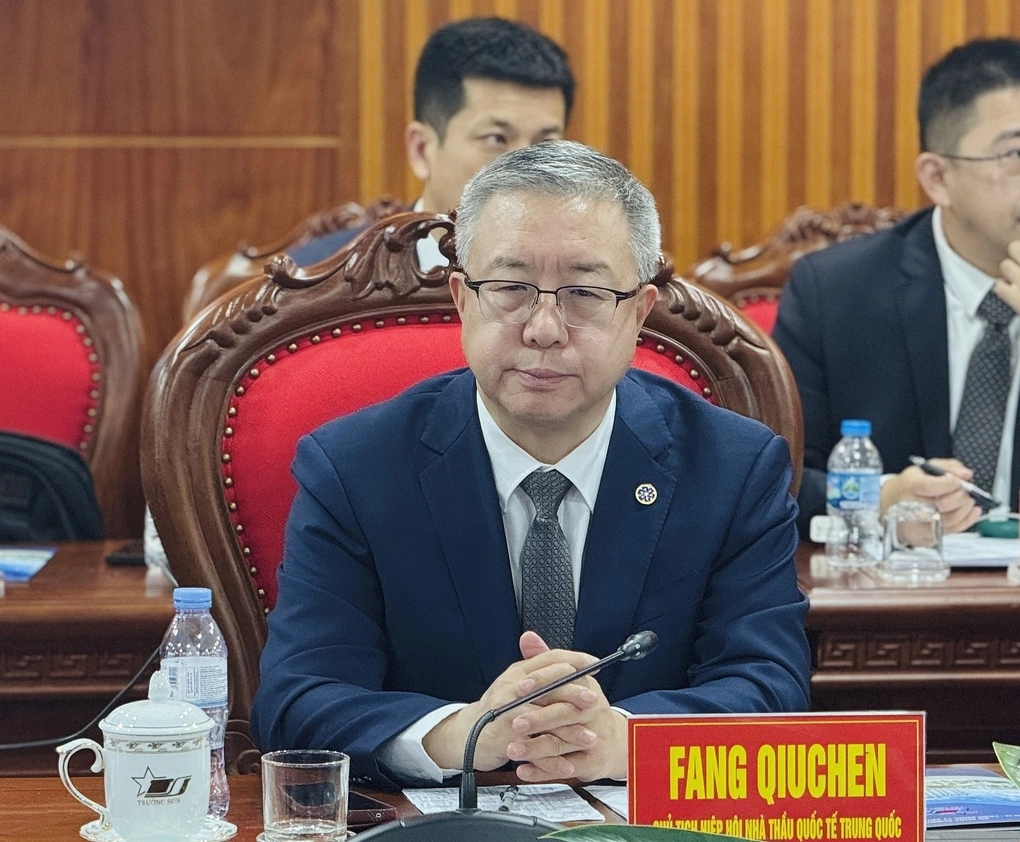
While the potential for growth is immense, the collaboration faces hurdles related to project management, environmental compliance, and the integration of varying technical standards. Both VACC and CHINCA have committed to establishing a framework for closer communication. Mr. Fang Qiuchen, Chairman of CHINCA, pledged that his organization would actively support Chinese enterprises in conducting thorough market research and fostering collaborative ventures with local Vietnamese partners.
As Vietnam pushes toward its goal of becoming a high-income, modernized economy by 2045, the construction sector will act as the backbone of this transformation. The recent dialogue between VACC and CHINCA serves as a formal acknowledgment that the next decade of infrastructure development in Vietnam will be defined by international cooperation, high-tech integration, and a strategic move toward sustainable, long-term investments.
The coming months are expected to see the formation of several task forces and joint committees dedicated to feasibility studies for the proposed railway and urban transit projects. If successfully executed, these partnerships could define the landscape of Vietnam’s infrastructure for the next several decades, bridging the gap between national ambition and technical capability.