Hanoi and EHang sign landmark agreement to test autonomous aerial vehicles for low-altitude economic development

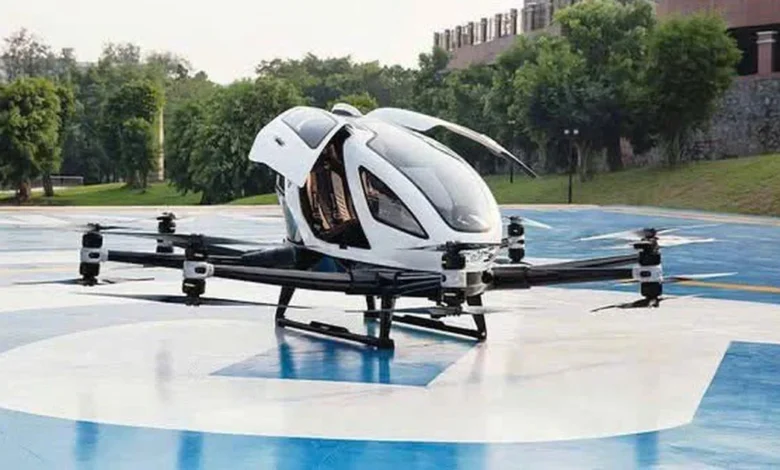
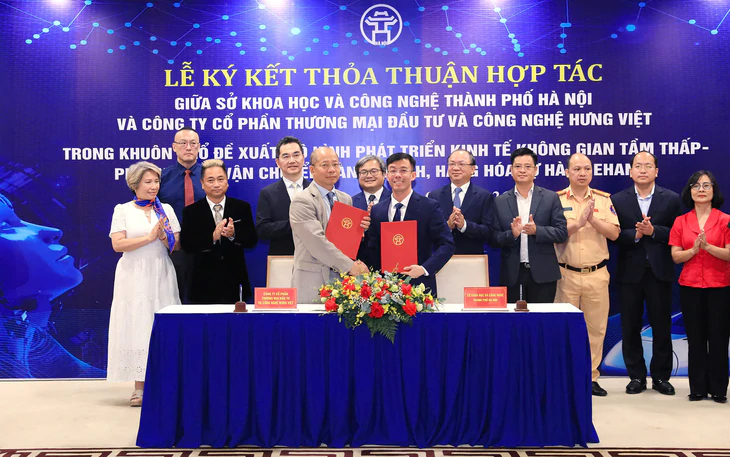
The Hanoi Department of Science and Technology and the EHang Investment and Technology Joint Stock Company have formally entered into a comprehensive cooperation agreement aimed at researching, developing, and conducting controlled flight trials of autonomous aerial vehicles (AAVs), commonly referred to as "flying taxis," within the Hoa Lac Hi-Tech Park. This strategic partnership, finalized on September 28, 2026, marks a significant milestone in Vietnam’s pursuit of integrating advanced urban air mobility (UAM) solutions into its national infrastructure and economic framework.
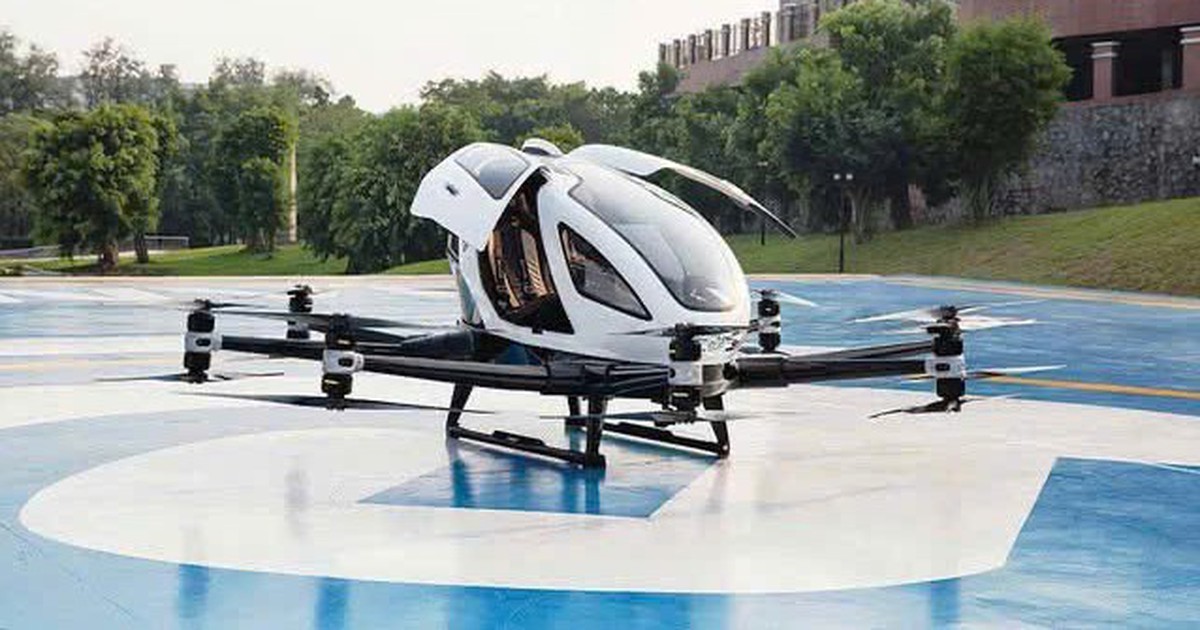
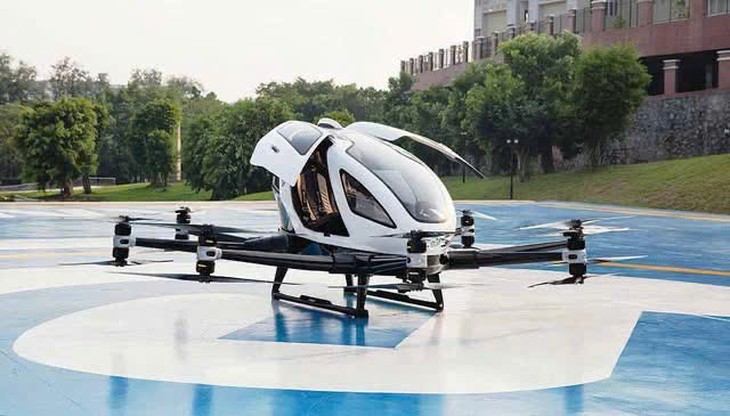
The agreement focuses on establishing a "regulatory sandbox" environment, a specialized framework that allows for the safe testing of innovative technologies under close government oversight. This collaborative effort is designed to facilitate the testing of the EH-216S, an autonomous passenger-carrying drone, while simultaneously laying the groundwork for a robust, tech-driven low-altitude economy.
Background and Context of the Collaboration
The rise of the global low-altitude economy has been characterized by the rapid development of electric Vertical Take-Off and Landing (eVTOL) technology. Unlike traditional aviation, which relies on large, fixed infrastructure and long-range logistics, the low-altitude economy focuses on the space typically below 3,000 meters. This sector is increasingly viewed by urban planners and tech investors as a critical component of future transportation, particularly in densely populated metropolitan areas like Hanoi, which faces significant challenges related to traffic congestion and urban mobility.
The EHang EH-216S, the central technology platform of this agreement, is a pilotless, electric-powered vehicle capable of vertical takeoff and landing. It is designed specifically for short-to-medium-range flights, making it a viable candidate for air taxi services, emergency medical transport, and specialized logistics. By choosing the Hoa Lac Hi-Tech Park—a premier national facility dedicated to research and development—as the initial testing ground, both the Hanoi municipal government and EHang are signaling a commitment to a phased, evidence-based approach to integration.
The Scope of the Agreement
The cooperation agreement outlines several critical pillars of development. Beyond the physical flight tests, the partners are tasked with creating a comprehensive management ecosystem for unmanned aerial systems (UAS). This includes:
- Regulatory Sandbox Implementation: The creation of a controlled environment where the EH-216S can operate under real-world conditions but within strict safety parameters. This will allow authorities to gather data on noise pollution, flight paths, and air traffic management.
- Infrastructure Development: The establishment of an Operations Control Center (OCC) at the Hoa Lac Hi-Tech Park. This facility will serve as the hub for monitoring flight data, managing communication links, and executing emergency protocols.
- Technical Training and Knowledge Transfer: EHang is committed to providing training programs for local technicians and operators. This is a vital component of the agreement, as it ensures that Vietnamese personnel gain the expertise required to maintain and manage these advanced systems independently in the future.
- Standardization and Certification: The project will involve the development of technical standards and safety regulations specific to the Vietnamese aviation context. By establishing these frameworks early, the partners hope to set a precedent for the eventual commercialization of UAM in the country.
Official Statements and Strategic Vision
During the signing ceremony, Deputy Chairman of the Hanoi People’s Committee, Truong Viet Dung, emphasized that the initiative represents a bold step forward for the capital city. "This is an unprecedented model for us," Dung stated. "We are not merely testing a vehicle; we are building the foundation for a new economic pillar. By fostering a low-altitude economy, we create a ripple effect that stimulates growth in data analytics, specialized infrastructure, and advanced human resource development."
Dung further noted the potential for this technology to alleviate the chronic traffic congestion that has long plagued Hanoi’s central districts. While the technology is currently in the testing phase, the long-term vision is the deployment of air mobility as a secondary layer of public transit, moving passengers and goods efficiently across the urban landscape.
The Hanoi Department of Science and Technology has been directed to work in close coordination with EHang to expedite the administrative procedures required for the sandbox phase. The goal is to present a finalized, comprehensive operational plan to the municipal government for approval in the coming months.
Economic and Logistical Implications
The integration of autonomous aerial vehicles into the Hanoi economy carries significant implications for various sectors. From a logistics standpoint, the ability to bypass ground-level traffic congestion could reduce delivery times for time-sensitive cargo, such as medical supplies or high-value documents, by a significant margin.
Economically, the project is expected to attract further foreign direct investment (FDI) into the high-tech sector in Hanoi. The commitment to technology transfer and local training suggests that the partnership aims to move beyond a simple service provision model, instead fostering a domestic industry capable of supporting UAM operations.
However, the transition to such a model is not without challenges. The integration of autonomous vehicles into existing airspace requires sophisticated coordination with civil and military aviation authorities. Ensuring safety in high-density urban environments, managing battery life for high-frequency operations, and securing public trust are among the hurdles that must be addressed during the trial period.

Timeline and Future Outlook
The roadmap for this partnership follows a structured, data-driven methodology. The initial phase, which is expected to run through 2026 and into 2027, will be dedicated exclusively to safety testing and the development of the OCC. Once the sandbox results are evaluated and the technology is deemed safe and reliable, the scope of the agreement may be expanded to include pilot commercial routes.
This partnership aligns with broader national goals in Vietnam to digitize and modernize the economy. As Hanoi continues to expand, the diversification of its transportation network is increasingly recognized as a necessity for sustainable development. If the Hoa Lac trials prove successful, they could serve as a blueprint for other major Vietnamese cities, including Ho Chi Minh City and Da Nang, both of which have expressed interest in integrating smart city solutions into their urban management strategies.
In summary, the agreement between the Hanoi Department of Science and Technology and EHang is more than a trial of a flying taxi; it is an experimental leap into the future of urban mobility. By combining international expertise in eVTOL technology with local administrative oversight, the project aims to define the future of low-altitude aviation in Southeast Asia, positioning Hanoi as a leader in the next generation of smart, autonomous transportation. As the data from these upcoming trials begins to flow, the results will likely influence urban policy and aviation regulation for years to come.