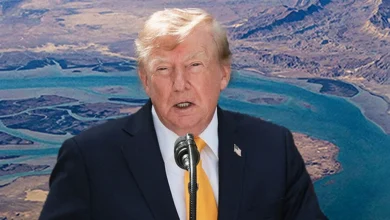
US President Donald Trump Renames Strategic Hormuz Waterway as Tensions Mount Over Rejected Iranian Proposal

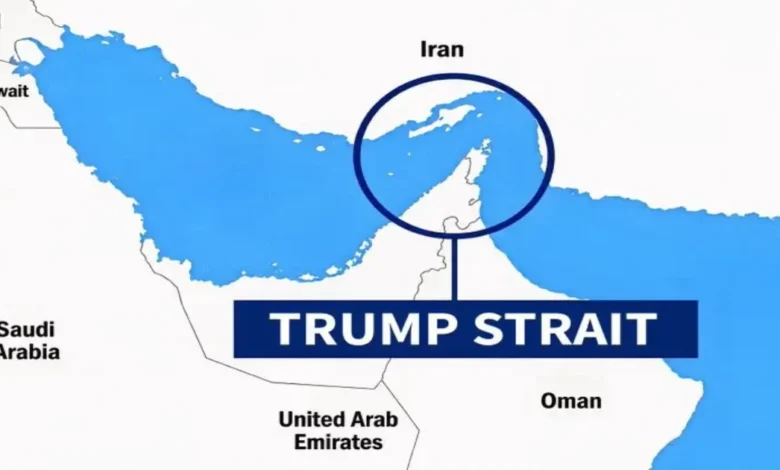
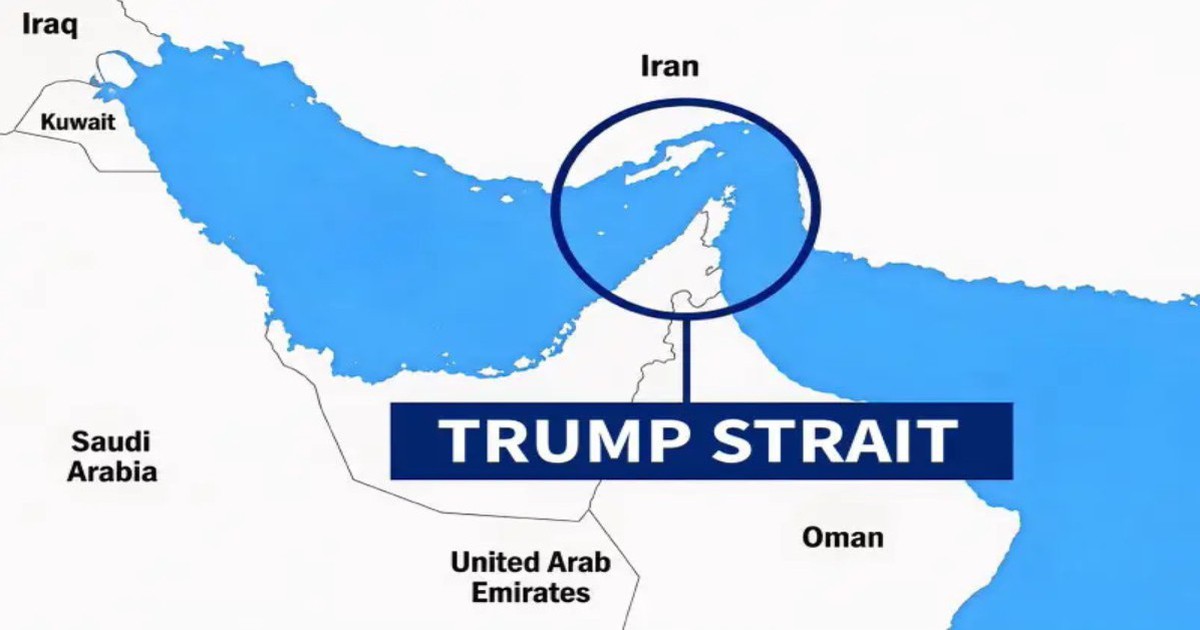
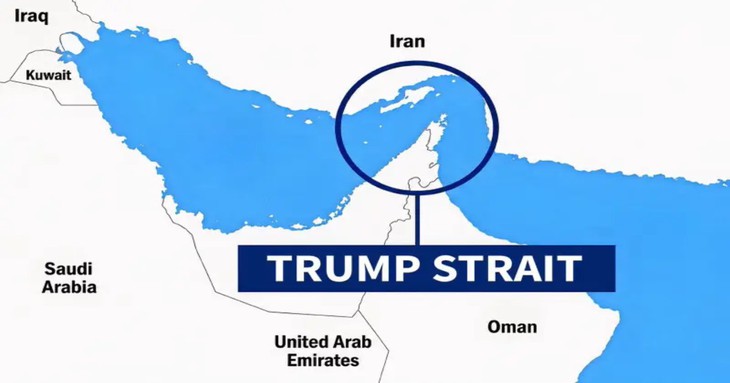
The geopolitical landscape of the Middle East experienced a dramatic shift following an unconventional digital declaration by United States President Donald Trump. On September 26, the American leader took to his preferred social media platform, Truth Social, to publish a modified map of the strategically vital Strait of Hormuz, boldly superimposing the title "Trump Strait" over the crucial maritime chokepoint. This provocative gesture materialized mere hours after prominent financial publications reported that Washington had summarily rejected a tentative peace overture extended by the Iranian government aimed at halting hostilities and reopening the heavily contested corridor.
The digital display marks the first explicit and public manifestation of the administration’s hardline stance following Tehran’s recent diplomatic maneuvering. According to reports from the Associated Press and the Wall Street Journal, the diplomatic friction intensified when American officials revealed that President Trump had dismissed a proposal from Tehran that included a seven-day cessation of military engagements paired with the reopening of the Strait of Hormuz. The rejection underscores an escalating deadlock in a conflict that has severely disrupted global energy markets and international shipping lanes for nearly seven months.
Background and Strategic Significance of the Strait of Hormuz
To comprehend the gravity of the ongoing crisis, one must examine the critical economic and strategic weight of the Strait of Hormuz. Situated between the Persian Gulf and the Gulf of Oman, this narrow maritime passage serves as the world’s most vital energy artery. Historical data indicates that approximately one-fifth of the globe’s petroleum consumption traverses these waters daily, making it an indispensable highway for international trade and energy security.
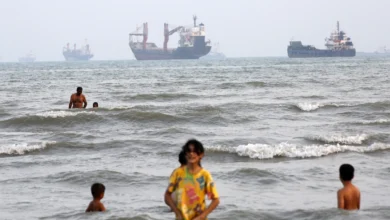
Prior to the outbreak of direct military confrontations initiated by the United States and Israel on February 28, the strait facilitated the unhindered transit of hundreds of commercial oil tankers and cargo vessels. However, the commencement of hostilities dramatically altered this dynamic. From the very outset of the conflict, Iran implemented a de facto blockade of the waterway, deploying naval assets, anti-ship missiles, and extensive maritime denial tactics. This strategic closure immediately triggered severe shockwaves across global energy markets, sending crude oil prices soaring to historic highs and forcing international shipping conglomerates to reroute vessels or suspend operations in the region. Months into the conflict, cargo traffic through the corridor remains a fraction of its pre-war volume, continuing to exert inflationary pressures on global economies.
Chronology of Escalation and Diplomatic Deadlocks
The sequence of events leading to the current standoff reveals a fragile and volatile diplomatic track running parallel to active military operations. The friction between Washington and Tehran reached a boiling point earlier this year, culminating in the late-February military campaign. Since then, secret diplomatic channels have been intermittently utilized through regional intermediaries to explore potential de-escalation frameworks.
In June, a preliminary memorandum of understanding briefly offered a glimmer of hope. Mediators facilitated discussions wherein Tehran reportedly contemplated reopening the Strait of Hormuz in exchange for the partial lifting of American naval blockades targeting Iranian commercial ports. This tentative arrangement created a fragile cessation of hostilities, but the fragile agreement collapsed within weeks as mutual distrust and competing territorial demands eroded the framework.
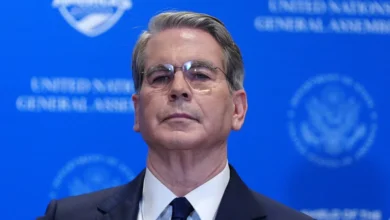
The diplomatic pulse quickened during the United Nations General Assembly meetings held in New York in late September. Iranian President Masoud Pezeshkian adopted a defiant posture during his address to the international body, asserting unequivocally that his nation would not permit freedom of navigation through the Strait of Hormuz to resume until United States-led sanctions and maritime blockades were completely dismantled. Furthermore, Pezeshkian doubled down on Tehran’s controversial sovereign rights, declaring that Iran would not abandon the domestic development of its nuclear technology, ostensibly framed for peaceful economic purposes.
Despite the public posturing, backchannel discussions continued in New York between American and Iranian interlocutors. Early in the week, President Trump publicly evaluated these indirect discussions as progressing "very nicely," creating a momentary impression of diplomatic flexibility. Yet, this conciliatory tone contrasted sharply with his concurrent rhetoric at the United Nations, where he repeatedly warned of total devastation for Iran should its leadership refuse to capitulate to Washington’s demands.
Inside the Rejected Proposal
The recent breakdown in negotiations centers on a concrete proposal delivered by Iranian emissaries through third-party intermediaries. Tehran offered a localized, seven-day pause in active combat operations alongside the resumption of commercial transit through the Strait of Hormuz. In return, the Iranian administration anticipated reciprocal concessions from Washington, specifically the relaxation of economic and maritime restrictions crippling its export capabilities.
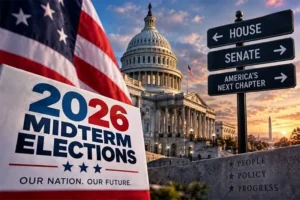
According to senior United States administration officials speaking on the condition of anonymity to the Wall Street Journal, President Trump firmly rejected the terms. The American leader reportedly communicated to his national security advisors that he remains fundamentally skeptical of Tehran’s willingness to permanently alter its behavior or meet comprehensive American security benchmarks. Consequently, Washington opted to maintain its maximum-pressure strategy, signaling to regional allies that military operations against strategic infrastructure in Iran will likely continue and potentially intensify following the United States midterm elections scheduled for November.
The administration has explicitly informed both Iranian representatives and international mediators that the White House has no immediate intention of lifting the naval blockade. While intelligence assessments indicate that the scale of potential upcoming airstrikes remains under active review by Pentagon planners, the overarching objective of maintaining American dominance over the crucial waterway remains unchanged.
Public Posturing and the "Trump Strait" Designation
President Trump’s decision to publish the map bearing the label "Trump Strait" on Truth Social is the latest in a series of symbolic assertions regarding sovereignty and control in the Persian Gulf. Earlier in September, the U.S. president suggested renaming the waterway in a previous social media post, aggressively asserting that the historic transit route is now "under the control of the United States." Last month, he similarly shared a modified cartographic representation describing the region as a "new American territory."
This rhetorical framing is designed to project absolute strength and territorial dominance to both domestic and international audiences. By branding the waterway, the administration seeks to emphasize the permanence of its strategic footprint in the Middle East and send an unambiguous message to adversaries regarding the protection of vital national interests.
International Reactions and Economic Implications
The international community has monitored these developments with mounting apprehension. Major European capitals, heavily reliant on stable energy supplies originating from the Persian Gulf, have urged restraint from both Washington and Tehran. European diplomats have expressed deep concern that a prolonged closure of the Strait of Hormuz could trigger a severe global recession, particularly as winter energy demands approach.
Neighboring Gulf states, including Saudi Arabia, the United Arab Emirates, and Qatar, find themselves in an increasingly precarious position. While these nations share concerns regarding Iranian regional hegemony and nuclear ambitions, the physical proximity to active conflict zones and the disruption of regional maritime trade present severe economic and security risks. Consequently, regional capitals have quietly intensified efforts to engage in independent diplomatic dialogues with Tehran, attempting to insulate their domestic economies from further collateral damage.
Meanwhile, markets have reacted nervously to the deadlock. Oil futures experienced notable volatility following the news of the rejected peace proposal and the subsequent social media posts from Washington. Energy analysts warn that without a durable diplomatic breakthrough or a restoration of safe commercial passage through the Strait of Hormuz, global petroleum markets will remain exceptionally vulnerable to sudden supply shocks.
Fact-Based Implications and Outlook
The refusal of the Iranian proposal and the hardening of American positions signal that a swift resolution to the multi-month conflict is unlikely. As the United States approaches its crucial midterm elections in November, foreign policy decisions are increasingly scrutinized through a domestic political lens. President Trump’s resolute refusal to compromise on the control of the Hormuz waterway highlights a calculated risk: that sustained economic and military pressure will ultimately force Tehran to capitulate, despite the immediate risks of prolonged regional instability and volatile energy markets.
Conversely, the leadership in Tehran appears equally entrenched. President Pezeshkian’s resolute rhetoric at the United Nations indicates that domestic political survival and nationalist pride preclude any unilateral surrender to foreign demands, particularly regarding maritime sovereignty and nuclear development. As both sides brace for potential escalations in the coming weeks, the Strait of Hormuz remains a dangerous focal point of global tension—a critical artery held hostage by high-stakes geopolitics and unyielding military postures.