Exit ban at Hanoi airport underscores the complexities of dormant business tax compliance for overseas citizens


A recent incident at Noi Bai International Airport in Hanoi has brought to light the often-overlooked administrative burdens faced by Vietnamese citizens living abroad when they maintain ties to defunct business entities in their home country. Mr. D.T.K., a 62-year-old Vietnamese national who has resided and worked in Germany for nearly two decades, found himself unexpectedly barred from leaving Vietnam on September 12. The restriction, triggered by a legacy tax issue linked to a business venture that had been inactive for approximately a decade, serves as a cautionary tale for the diaspora regarding the necessity of formal tax finalization.
The Chronology of an Administrative Impasse
The ordeal began when Mr. K. and his wife, who frequently visit Vietnam to care for his 85-year-old mother, attempted to return to Germany following a summer trip. According to his sister, Ms. Dung, the family had long assumed that the closure of Mr. K.’s former business—a small lodging and hospitality service—was complete after they surrendered the business registration certificate roughly ten years ago.
In June 2024, during a visit to Vietnam, Mr. K. heard reports from acquaintances regarding individuals being prevented from leaving the country due to outstanding tax liabilities. Concerned, he tasked his sister with verifying his tax status. At the time, an initial inquiry did not immediately flag an active exit ban, but subsequent digital records indicated a small, lingering tax surplus.
The situation escalated on September 12. While his wife was cleared for departure, airport authorities informed Mr. K. that he was subject to an exit ban, formally categorized as a temporary suspension of travel due to incomplete tax administrative procedures. This revelation forced a frantic effort by the family to rectify a situation they believed had been resolved years prior.
The Complexity of Tax Finalization for Defunct Businesses
The core of the issue lies in a common misunderstanding of what constitutes a "closed" business in the eyes of the tax authorities. Many business owners, upon ceasing operations, surrender their business registration certificates but fail to undergo the formal, multi-step process required to "close" or "deactivate" a tax identification number (TIN).
In the case of Mr. K., the authorities required a comprehensive audit of his previous business activities. Despite his family’s belief that surrendering the registration was the final step, tax officials clarified that the business had not fulfilled its final obligations, leading to the accumulation of minor tax liabilities, including corporate income tax, value-added tax, and late payment penalties.
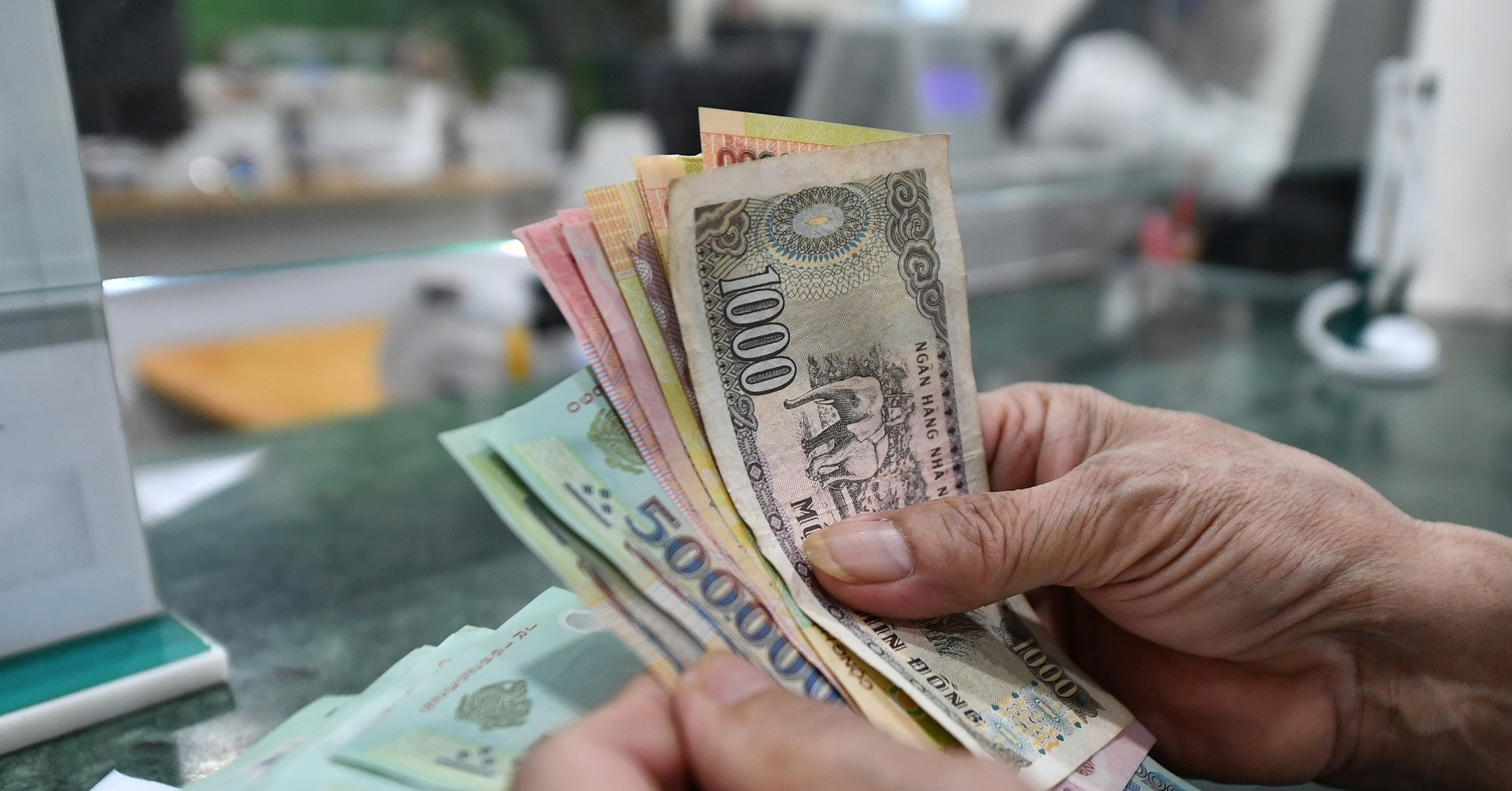
The family eventually faced a total liability of approximately 5.3 million VND. While this sum was paid to the State Treasury, the process was stalled by a residual "surplus" of 40,000 VND. This nominal amount, while seemingly trivial, created a bureaucratic bottleneck that prevented the automated system from clearing his status, thereby maintaining the exit ban.
Official Responses and the Role of Tax Authorities
By late September, the Tax Department of Hanoi began processing the final documentation for Mr. K.’s case. A spokesperson for the Tax Department of Hanoi (Branch 5) explained that the situation was compounded by the fact that the specific tax office previously handling the business had been reorganized and no longer existed under its former name. This necessitated additional administrative steps to transfer the file to the current department, which further delayed the lifting of the exit ban.
"This case involving a 40,000 VND discrepancy is a legacy issue," the official stated. "Because the previous tax office has been restructured, we had to coordinate with city-level authorities to formally close the file. It is a procedural requirement that ensures all past obligations are legally nullified before a taxpayer is removed from the restriction list."
By September 29, the tax authorities confirmed that the file had been processed and the exit ban was lifted, allowing Mr. K. to resume his travel plans.
Broader Implications for the Vietnamese Diaspora
The incident highlights a broader, systemic challenge for the millions of Vietnamese living abroad. As Vietnam’s digital infrastructure for tax administration improves, the integration of databases between the General Department of Taxation and the Immigration Department has become increasingly efficient. While this digitization reduces fraud, it also means that even minor, forgotten debts can have significant, real-time consequences for travelers.

Financial experts suggest that citizens who have lived abroad for extended periods should take proactive steps to ensure their domestic records are clean. This includes:
- Periodic Audits: Utilizing the General Department of Taxation’s online portal to check for any outstanding tax liabilities or inactive but "open" business tax codes.
- Formal De-registration: Ensuring that the closure of a business involves not just the surrender of a license, but a formal written confirmation from the tax authority that the TIN has been effectively deactivated.
- Appointing Local Representatives: For those with lingering financial interests in Vietnam, maintaining a power of attorney with a trusted local representative or legal counsel can help monitor administrative notices that may be sent to old residential addresses.
Analyzing the "Exit Ban" Mechanism
In Vietnam, the use of exit bans for tax debt is a legal tool employed under the Law on Tax Administration. This measure is intended to ensure that taxpayers fulfill their obligations before leaving the country, particularly when there is a risk that the individual may not return to settle the debt.
While effective at ensuring compliance, critics have occasionally pointed to the lack of "thresholds" for such bans. Unlike some jurisdictions that only apply travel restrictions to significant debts, the current system in Vietnam can, in theory, trigger a ban based on any outstanding liability, regardless of the amount. This creates a disproportionate impact on individuals who may be unaware of minor discrepancies caused by administrative transitions, such as the one experienced by Mr. K.
Conclusion
The case of Mr. K. is not an isolated one, but rather a reflection of the transition period between manual and digital administrative systems in Vietnam. For the diaspora, the lesson is clear: legal and financial obligations in one’s home country do not simply vanish with the passage of time or the cessation of business operations.
As the government continues to modernize its tax collection and enforcement mechanisms, the importance of formal documentation cannot be overstated. For those planning to visit Vietnam, a simple check of their tax status through official government portals could prevent the significant stress and disruption of an unexpected exit ban. Moving forward, the government may consider implementing a notification system or a "grace period" for minor discrepancies to balance the need for tax compliance with the rights of citizens to travel freely.
Related posts: