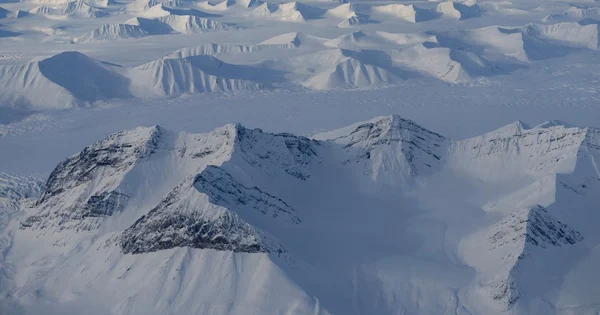
The Arctic region is undergoing a profound transformation, evolving from a remote, frozen frontier into a primary theater of geopolitical, economic, and military competition, as nations scramble to secure influence over emerging trade routes and untapped natural resources. On November 19, the Danish Parliament is set to hold a critical vote on a tripartite agreement between the United States, Denmark, and Greenland. This accord, which was formally signed in late September by U.S. President Donald Trump, Danish Prime Minister Mette Frederiksen, and Greenlandic Prime Minister Jens-Frederik Nielsen during the United Nations General Assembly in New York, represents a definitive pivot toward increased American military and logistical presence in the High North.
The Strategic Significance of the Agreement
The proposed agreement serves as a cornerstone for Western security architecture in the Arctic. By solidifying the framework for defense cooperation, the pact allows the United States to modernize and expand its military footprint, which has historically relied on Thule Air Base and other key infrastructure. For Washington, the objective is twofold: maintaining a deterrent against regional rivals and securing the logistical capability to monitor the North Atlantic and Arctic corridors.
According to analysts at the Eurasia Group, this legislative milestone is merely the "tip of the iceberg" in a much larger, multi-decade struggle for supremacy. As climate change continues to alter the Arctic landscape at a rate nearly four times faster than the global average, the once-impassable ice sheets are receding, revealing vast reserves of hydrocarbons, rare earth minerals, and precious metals. What was previously an inaccessible wasteland is rapidly becoming a viable commercial hub, triggering a surge in interest from global powers.
A Chronology of the New Arctic Race
The current uptick in tension is the culmination of years of shifting alliances and economic repositioning:
- 2018: China formally declares itself a "Near-Arctic State," outlining its "Polar Silk Road" initiative. This move signaled Beijing’s intent to integrate the region into its global trade infrastructure, aiming to leverage shorter transit times for shipping between East Asia and Europe.
- 2020-2022: Increased military drills by NATO and the Russian Federation in the High North signal a move toward a more militarized posture.
- 2023-2024: Canada and the U.S. began reassessing their environmental protections in light of energy security needs.
- Late 2024: Russia and China formalize an agreement to enhance cooperation on Arctic shipping lanes, including joint icebreaker operations and support for regional enterprises.
- November 2026: The current vote in the Danish Parliament marks the latest legislative effort to formalize the Western response to this growing competition.
Economic Motivations and Energy Security
The push for control is driven by the urgent need for resource diversification. In Canada, Prime Minister Mark Carney has recently hinted at a potential shift in the nation’s decade-long moratorium on offshore oil and gas exploration in the Arctic. Previously, under the joint leadership of Justin Trudeau and Barack Obama, the two nations maintained a strict ban to protect the fragile northern ecosystem.
However, the economic reality is shifting. In November, Ottawa pledged $7.7 million over four years to monitor potential hydrocarbon developments in the Beaufort Sea. This move is supported by leaders of Canada’s northern territories, who argue that resource development is the only viable path to long-term economic growth. Similarly, in the United States, the Biden administration has sought to streamline the permitting process for drilling in the Alaskan Arctic. Even political figures from the Democratic Party, such as Representative Mary Peltola of Alaska, have voiced support for expanded extraction and refining of fossil fuels, citing the necessity of energy independence and local economic development.
The Russian and Chinese Axis
Russia and China have emerged as the primary challengers to the status quo. For Moscow, the Arctic is an existential priority. Following the imposition of Western sanctions and the fallout from the conflict in Ukraine, Russia has redirected its maritime transport routes toward the Northern Sea Route to mitigate security risks in the Black and Baltic Seas. Russia has also significantly increased its military presence, refurbishing Soviet-era bases and deploying advanced radar and missile systems across its northern coastline.
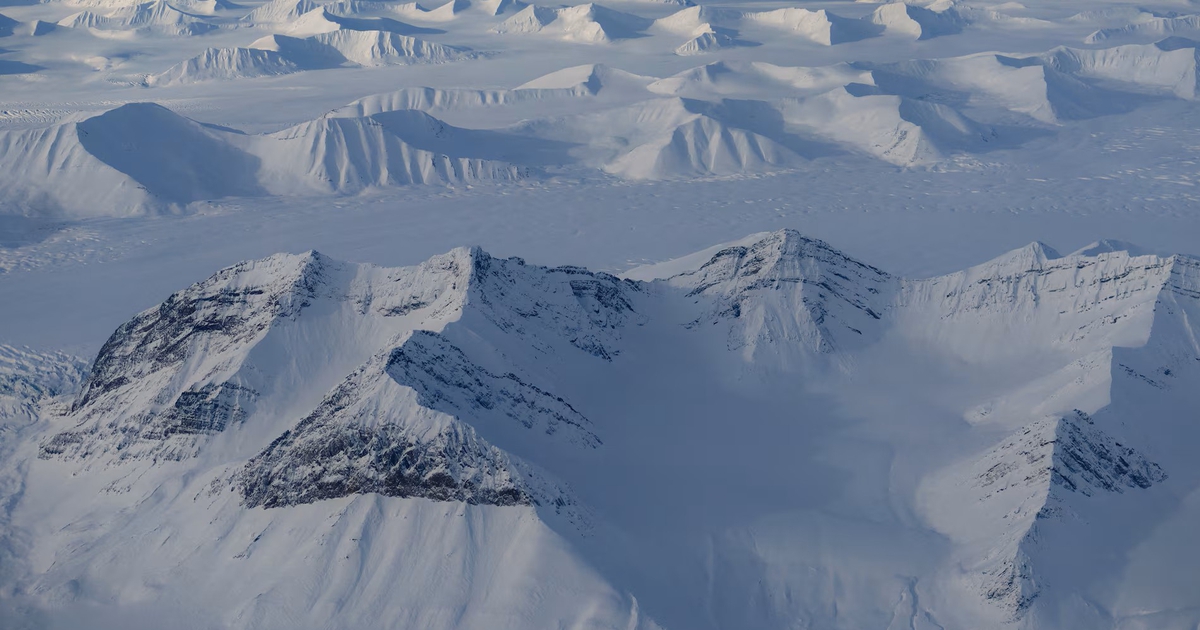
Beijing’s interest, while primarily economic, has significant strategic implications. By utilizing the Northern Sea Route, China can reduce transit times between its ports and European markets by 10 to 14 days compared to the traditional Suez Canal route. This shift would fundamentally alter global logistics, reducing dependency on narrow maritime chokepoints that are vulnerable to geopolitical disruption.
NATO’s Response and Military Modernization
The North Atlantic Treaty Organization (NATO) has responded to this encroachment by expanding its operational reach. The accession of Finland and Sweden to the alliance has effectively turned the Arctic into a "NATO lake," providing the alliance with a contiguous front along Russia’s northern border.
NATO’s current strategy focuses on constant monitoring and rapid response capabilities. The alliance has conducted a series of "Arctic Edge" and "Cold Response" exercises designed to test the limits of equipment and personnel in sub-zero temperatures. Notably, the introduction of Task Force X-Arctic in June introduced unmanned autonomous vehicles (UAVs) capable of operating both underwater and on ice. These technologies are critical for mapping the seabed and detecting submarine movements in areas where human patrols are physically impossible.
Fact-Based Analysis of Future Implications
The implications of this competition are twofold: environmental and security-based.
- Environmental Degradation: As the race for resources intensifies, the risk of oil spills, industrial accidents, and habitat destruction in the Arctic’s fragile ecosystem rises exponentially. The tension between the need for economic development and the necessity of environmental stewardship will remain a point of friction within the governments of the Arctic Council nations.
- Security Dilemmas: The militarization of the region creates a classic security dilemma. As NATO increases its presence to deter Russia, Russia increases its own defenses to counter "encirclement," leading to a cycle of escalation. The Arctic, which was once characterized by the "Arctic Exception"—a period where regional cooperation transcended global political disputes—is now firmly integrated into the broader framework of great-power competition.
Official Stances and Regional Reactions
While the Danish Parliament is expected to pass the tripartite agreement, the decision is not without its critics. Indigenous groups in Greenland and northern Canada have expressed concerns about the impact of increased military and industrial activity on traditional ways of life. Greenlandic authorities, however, have largely welcomed the economic benefits that come with enhanced infrastructure investment.
The European Commission’s updated Arctic Strategy underscores a commitment to balancing these interests by focusing on international law, particularly the UN Convention on the Law of the Sea (UNCLOS). Despite this, the presence of the U.S., Russia, and China suggests that the region will continue to be governed by the dictates of hard power rather than strictly diplomatic consensus.
As the vote in Copenhagen approaches, the international community is watching closely. The agreement is not merely a bureaucratic formality; it is a signal that the Arctic has arrived as a central arena of the 21st century. Whether the region remains a zone of stability or becomes a flashpoint for global conflict will depend on the ability of these competing powers to manage their conflicting ambitions in one of the last, and most vulnerable, frontiers on Earth.