Long Chau Pioneers Access to Rare Medications for Neurological Patients at the International Neurology Scientific Conference 2026


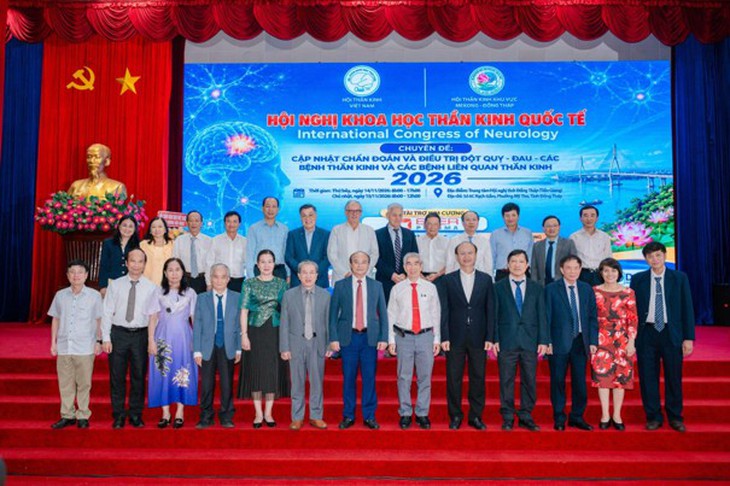
The International Neurology Scientific Conference 2026 convened in Dong Thap, marking a critical milestone for healthcare professionals across the region. Organized by the Dong Thap-Mekong Regional Neurology Association in collaboration with the Vietnam Neurology Association, the Vietnam Stroke Association, and the Ho Chi Minh City Pain Association, the high-profile event drew approximately 1,000 national and international experts, physicians, and medical practitioners. The comprehensive program focused on cutting-edge advancements in the diagnosis, treatment, and long-term management of complex neurological disorders, including stroke, dementia, Parkinson’s disease, epilepsy, nerve pain, peripheral neuropathies, neuro-interventions, and functional rehabilitation.
Amidst these academic and clinical discussions, FPT Long Chau Pharmacy and Vaccination System emerged as a key industry partner, announcing a groundbreaking strategic initiative to bring rare and next-generation neurological medications directly to Vietnamese patients. This development addresses a long-standing barrier in domestic healthcare: the limited availability of advanced, specialized pharmaceutical treatments for rare neurological conditions.

The Growing Burden of Neurological Disorders in Vietnam
Neurological disorders represent an escalating public health crisis in Vietnam and globally, profoundly impacting patients, families, and healthcare systems. Conditions such as stroke, dementia, Parkinson’s disease, epilepsy, and peripheral nerve disorders frequently result in long-term or permanent disability, severely diminishing patients’ motor functions, cognitive abilities, communication skills, and overall independence.
According to global epidemiological metrics, including the Global Burden of Disease (GBD) study, Vietnam recorded approximately 166,954 stroke-related deaths in 2021 alone, with an age-standardized incidence rate exceeding 203 cases per 100,000 population. Simultaneously, neurodegenerative conditions such as dementia and Alzheimer’s disease impose significant caregiving challenges, disproportionately affecting the country’s rapidly aging demographic.
Assoc. Prof. Dr. Le Van Tuan, President of the Vietnam Neurology Association, emphasized during the conference that neurological diseases present multifaceted challenges that extend far beyond initial diagnosis and acute care. The disease trajectory requires continuous clinical monitoring, structured rehabilitation, and stringent long-term medication adherence.

"While clinical capabilities within medical institutions are continuously improving, ensuring that patients receive accurate medical information, adhere strictly to prescribed treatment regimens, and maintain continuous access to specialized drugs is equally vital," Dr. Tuan stated. "Effective neurological care demands a collaborative multidisciplinary approach, bridging hospital-based physicians, clinical pharmacists, and community healthcare providers."
Bridging the Gap Between Advanced Science and Patient Care
A central theme of the 2026 conference was the stark disparity in drug availability between developed markets and developing nations like Vietnam. Medical analysts highlighted that Vietnamese patients currently have access to only about 9% of the roughly 460 globally approved breakthrough pharmaceutical products—a significantly lower rate than in many Western nations. This limitation heavily restricts treatment options, particularly for rare, progressive, and complex disorders.
To counter this, Long Chau utilized the international forum to outline its comprehensive strategy for importing specialized medications from Europe and other advanced pharmaceutical markets. This initiative builds upon the company’s recent milestone in August, when it pioneered the introduction of a breakthrough, non-surgical treatment for type 1 neuroendocrine tumors—a rare genetic condition affecting roughly 1 in 3,000 people globally, including pediatric patients. By successfully introducing this therapy, Vietnam positioned itself among the earliest regional markets to adopt globally acclaimed, highly specialized medical solutions.
By bridging the gap in pharmaceutical access, the initiative aims to reduce the financial and logistical strain on patients and their families. Medical experts note that receiving treatment within familiar domestic environments significantly benefits patients’ psychological well-being and overall quality of life, minimizing the need for costly and burdensome travel abroad for specialized care.
Enhancing Community Healthcare Through Network Capabilities and Professional Training
Operating a robust national network comprising nearly 3,000 pharmacies, approximately 22,000 certified pharmacists, and advanced technological infrastructure, Long Chau serves as a primary frontline touchpoint for community healthcare. For chronic and degenerative neurological conditions, where patients must adhere to complex, long-term pharmaceutical regimens, community pharmacists play an indispensable role.
Unlike acute care settings, neurological treatments frequently involve intricate drug combinations, extended timelines, and strict adherence protocols. Pharmacists must possess not only deep product knowledge but also a thorough understanding of safe administration principles, potential drug interactions, and the critical importance of treatment continuity.
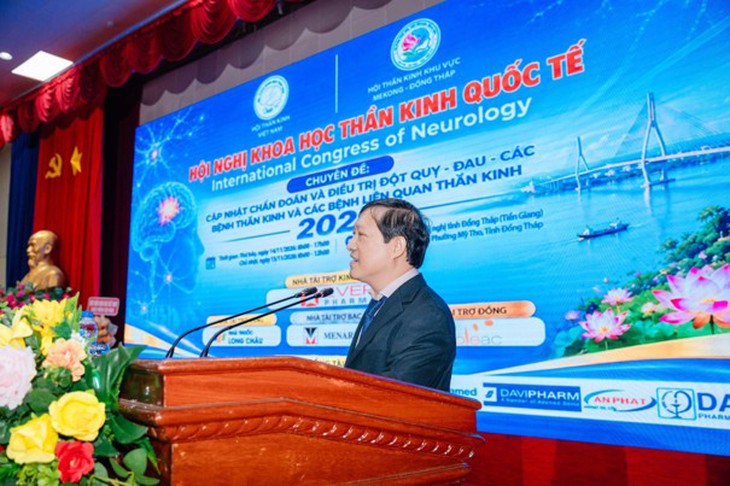
To meet these rigorous standards, Long Chau invests heavily in continuous professional development programs for its pharmacist workforce. Pharmacists across the network participate in regular medical training sessions, specialized workshops, and scientific conferences alongside leading medical experts. This ongoing education ensures that frontline personnel remain informed about the latest pharmacological advancements, enabling them to provide accurate guidance, monitor patient compliance, and offer empathetic support throughout the treatment journey.
"Our responsibility extends far beyond simply supplying pharmaceutical products and healthcare items," a representative of Long Chau shared during the conference. "We are dedicated to elevating the clinical competency of our frontline customer-facing teams. By participating in the International Neurology Scientific Conference 2026, Long Chau reaffirms its commitment to investing in professional excellence, establishing a solid foundation for better community care, and contributing to a healthier Vietnam."
Strategic Alignment with National Healthcare Objectives
Long Chau’s proactive initiatives align closely with overarching national health policies, specifically supporting the directives outlined in Resolution 72-NQ/TW of the Politburo and Resolution 282/NQ-CP of the Government, which emphasize the enhancement of public health quality, the expansion of pharmaceutical accessibility, and the strengthening of preventative and chronic disease management systems.

As chronic and rare diseases continue to pose complex socio-economic challenges, public-private cooperation between medical associations, research institutions, and community healthcare providers serves as a vital catalyst for reform. The collaborative framework established at the International Neurology Scientific Conference 2026 underscores a shared commitment to translating cutting-edge scientific research into tangible clinical outcomes.
Looking forward, Long Chau plans to expand its partnerships with leading global pharmaceutical manufacturers, continuously increasing the domestic availability of orphan drugs, innovative neurological treatments, and specialized therapies. Through these concerted efforts, the healthcare sector moves progressively closer to mitigating the burden of rare and complex diseases, ensuring that advanced medical care remains accessible, sustainable, and centered on the needs of patients across Vietnam.