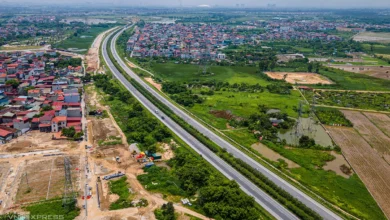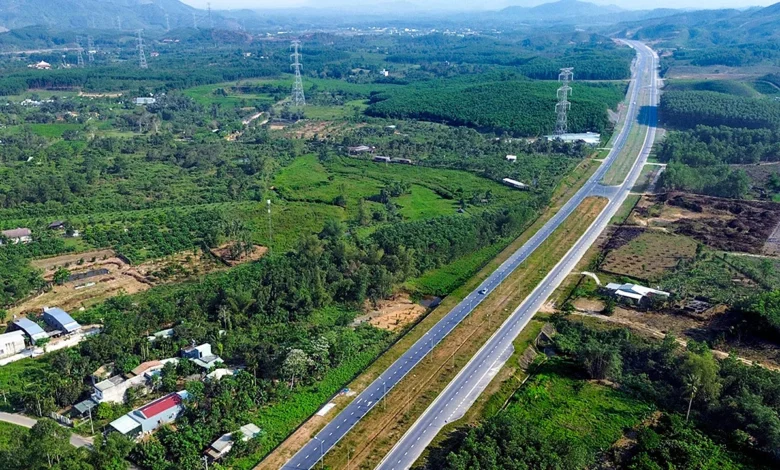
The Da Nang People’s Committee has officially approved the investment policy for the ambitious West Sun (Tay Bac) urban development project, a cornerstone initiative designed to reshape the residential and commercial landscape of the city’s western sector. With an estimated total investment capital of 9,906 billion VND, this project represents one of the most significant real estate development ventures currently authorized in the region, signaling a strategic shift toward expanding the city’s habitable footprint to accommodate a burgeoning population and a rising demand for high-end urban infrastructure.
Located across the communes of Ba Na and Hoa Vang, the project spans an expansive 326 hectares. The initiative is intended to serve as a comprehensive model of modern urban planning, integrating advanced technical infrastructure, social amenities, and aesthetic environmental design. By providing a structured framework for long-term growth, the municipal government aims to create a self-sustaining community that balances high-density living with recreational and commercial utility.
Project Scope and Architectural Vision
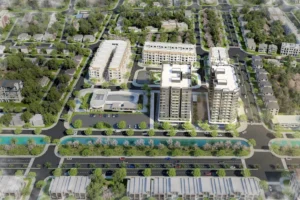
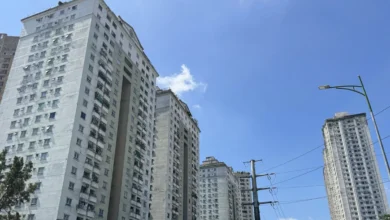
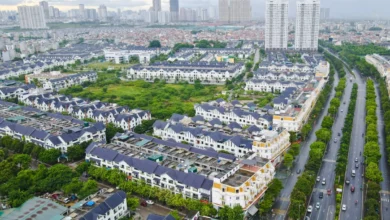
The West Sun project is envisioned as a multifaceted urban enclave. According to the approved planning documents, the development will be executed through a rigorous public bidding process to ensure the selection of a capable and financially stable developer. The project’s master plan prioritizes the integration of varied housing typologies—including townhouses, villas, and high-rise condominiums—to cater to diverse market demographics.
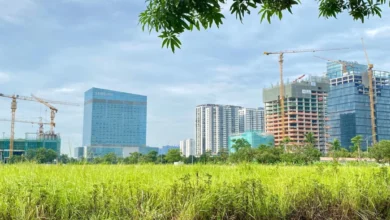
A key feature of the development is its focus on mixed-use functionality. Beyond residential units, the master plan allocates significant space for office complexes, shopping centers, and tourism-related infrastructure. The inclusion of an international-standard golf course, alongside supplementary recreational facilities, is intended to position the area as a high-value destination for both residents and visitors.
The infrastructure requirements for such a massive undertaking are extensive. The developer will be tasked with constructing a complete network of public utilities, including smart grid electrical systems, advanced water management facilities, and a robust road network designed to alleviate traffic congestion while connecting the new urban zone to the existing city core.
Demographic Projections and Future Needs
Da Nang, as one of Vietnam’s primary economic hubs, has experienced consistent population growth over the past decade. The West Sun project is specifically engineered to address the resulting housing shortages. Current projections estimate that upon completion, the urban area will support a permanent population of approximately 16,020 residents.
The development is set to be rolled out in phases to ensure the effective allocation of resources. The first phase, extending through 2030, is designed to accommodate approximately 4,560 residents, allowing for a steady transition as infrastructure is completed and basic services become operational. This phased approach is a strategic necessity, ensuring that the burden on existing public services is managed while the new district establishes its own internal support systems, including schools, community centers, and health facilities.
Strategic Timeline and Execution
The timeline for the West Sun project is defined by a long-term development horizon. Following the formal approval of the investment policy, the municipal government has outlined a sequence of milestones:
- Late 2026/Early 2027: Completion of the bidding process and selection of the primary developer.
- Q4 2027: Official commencement of site clearance and initial construction of primary technical infrastructure.
- 2027–2032: Execution of vertical development, including residential and commercial structures.
- Q4 2032: Expected completion and formal launch of the project for public occupancy and commercial operation.
This multi-year timeline reflects the complexity of the site and the scale of the required engineering works. The project serves as a critical test for Da Nang’s ability to manage large-scale urban expansion projects while maintaining sustainability standards.
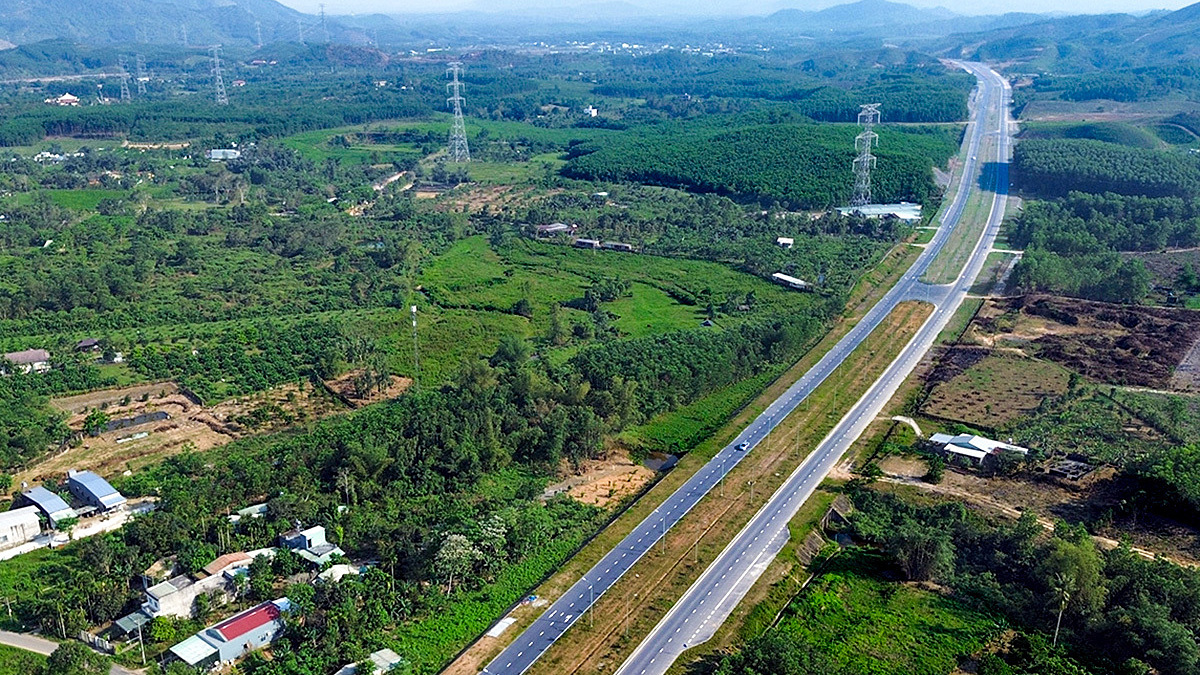
Contextualizing Da Nang’s Urban Development Strategy
The approval of the West Sun project does not occur in a vacuum. It is part of a broader, more aggressive urban revitalization strategy initiated by the Da Nang People’s Committee. Earlier this year, in March, the city also approved the investment policy for the Southeast Sun (Dong Nam) urban area, a project located across the Ba Na and Hoa Khanh regions.
The Southeast Sun project, with a total investment exceeding 13,000 billion VND and spanning 259 hectares, serves as a complementary pillar to the West Sun development. Together, these two projects represent a total investment volume of nearly 23,000 billion VND in the western and southern districts of the city. These investments are part of a 50-year land-use mandate, ensuring that the land remains productive and economically viable for future generations.
These initiatives are clearly designed to shift the city’s economic center of gravity, relieving pressure on the coastal areas that have historically absorbed the bulk of tourism and residential development. By pushing development toward the inland, mountainous regions, the city is effectively increasing its total land availability and creating new corridors for economic activity.
Economic and Social Implications
The implications of these developments are twofold: economic growth and social stabilization. Economically, the infusion of nearly 10,000 billion VND into the local economy is expected to create thousands of jobs during the construction phase and generate long-term tax revenue through the operation of commercial, office, and hospitality sectors.
Socially, the inclusion of public amenities—such as parks, sports arenas, community houses, and shopping centers—is a direct response to the need for a higher quality of life. The municipal government has emphasized that the West Sun project must include "green" spaces, reflecting a modern trend in urban planning that prioritizes environmental sustainability alongside commercial success.
However, the scale of such projects brings inherent challenges. The relocation of residents, the environmental impact of large-scale construction on land near the Ba Na region, and the long-term maintenance of the infrastructure are all factors that will require vigilant oversight. The requirement for the developer to facilitate the transfer of land-use rights to other entities for the construction of specific buildings suggests that the city intends to encourage a diverse range of stakeholders to participate in the project, rather than allowing a single entity to monopolize the entire development.
Analytical Perspective
From a planning perspective, the West Sun project is a bold move to leverage Da Nang’s reputation as the most livable city in Vietnam. By creating a master-planned community that offers a blend of residential comfort and modern convenience, the city is aiming to attract high-net-worth individuals and professionals who are increasingly looking for alternatives to the crowded environments of Hanoi or Ho Chi Minh City.
The success of the project will depend heavily on the quality of the winning bid. The municipal government’s decision to utilize a public bidding process is a transparent approach designed to secure the most favorable terms for the city. If successful, the West Sun area could serve as a template for future developments in central Vietnam, showcasing how public-private partnerships can deliver high-quality urban environments.
In summary, the West Sun project represents a significant milestone in Da Nang’s development narrative. As the city looks toward 2030 and beyond, these large-scale urban interventions will define the architectural and social identity of the region. With the formal approval process now underway, the focus shifts to the upcoming selection of developers and the eventual breaking of ground, marking the beginning of a transformative era for the city’s western periphery. The coming years will reveal whether these ambitious plans can be executed with the precision and foresight required to meet the evolving needs of the city’s inhabitants.