The emotional toll on healthcare professionals, particularly those working in high-stakes environments like oncology and intensive care, has become a silent epidemic in modern medicine. Beyond the rigorous physical demands of long shifts and complex surgical procedures, physicians are increasingly burdened by the "emotional labor" required to navigate the despair and profound grief of their patients and their families. This invisible weight is often the primary driver of burnout, a phenomenon that threatens not only the well-being of doctors but the very quality of patient care.
A Typical Morning in the Oncology Ward
At 10:30 AM, Dr. Nguyen Viet Anh, an oncologist at the Viet Duc General Hospital in Phu Tho, sits in his consultation room. His day has already stretched far beyond standard hours, defined by a series of difficult conversations that require a delicate balance of clinical precision and human empathy.
Before him sits a 50-year-old man, hands trembling as he grips the edge of the table. He has just received a diagnosis of late-stage lung cancer. Beside him, his wife weeps, clutching the doctor’s sleeve, pleading for any experimental procedure or treatment that might buy her husband a few more months of life. Dr. Viet Anh remains composed, though the silence in the room is heavy. He knows that the tumor has metastasized rapidly. He must navigate the fine line between offering hope and maintaining medical honesty—a task that requires more energy than any surgical maneuver.
"There are still several treatment pathways we can explore; we are not out of options," he says, his voice steady but measured. It is a statement he has practiced, yet one that carries the weight of a thousand similar, somber moments. In the confined space of the clinic, he is both a clinical expert and a psychological anchor. He must calculate every word: if he is too optimistic, he risks false hope; if he is too blunt, he may shatter the family’s spirit entirely.
The Silent Crisis of Physician Burnout
The situation faced by Dr. Viet Anh is far from an isolated incident. Across the globe, and particularly within the Vietnamese healthcare system, the emotional labor of medical staff is rarely quantified in performance reviews, yet it represents a significant drain on human resources.
Data from the United States National Institutes of Health (NIH) indicates that between 25% and 60% of clinical physicians experience some form of burnout. Those in high-pressure specialties—specifically intensive care, emergency medicine, and oncology—consistently record the highest rates. In 2023, a survey conducted at the Viet Duc Friendship Hospital among intensive care nursing staff revealed that 44% of personnel were suffering from moderate to severe burnout.
Earlier research conducted in 2021 at the Hung Vuong Hospital in Ho Chi Minh City, which surveyed 1,186 staff members, provided even more sobering statistics: 16.5% of medical staff reported high stress, 42.2% suffered from depression, and 24.3% showed symptoms of anxiety disorders. These figures represent a critical failure in systemic support for those tasked with saving lives.
The Physiological and Professional Costs
Chronic occupational stress does not merely affect mental health; it has tangible, long-term physiological consequences. It is clinically linked to an increased risk of cardiovascular disease, musculoskeletal disorders, peptic ulcers, and myocardial infarction. Furthermore, when physicians are in a state of chronic exhaustion, the quality of patient care inevitably declines.
The cascading effects are evident: increased turnover rates, early retirement, and a growing shortage of experienced medical professionals. This creates a vicious cycle where a reduced workforce must cover more patients, leading to even higher stress levels.
"When a patient’s family receives bad news, they are often in a state of shock, unable to process clinical information," Dr. Viet Anh explains. "Sometimes, I have to repeat the same information three or four times before it truly sinks in. It is not just about the medical diagnosis; it is about managing the psychological collapse of an entire family."
The Pressure of Intensive Care Units
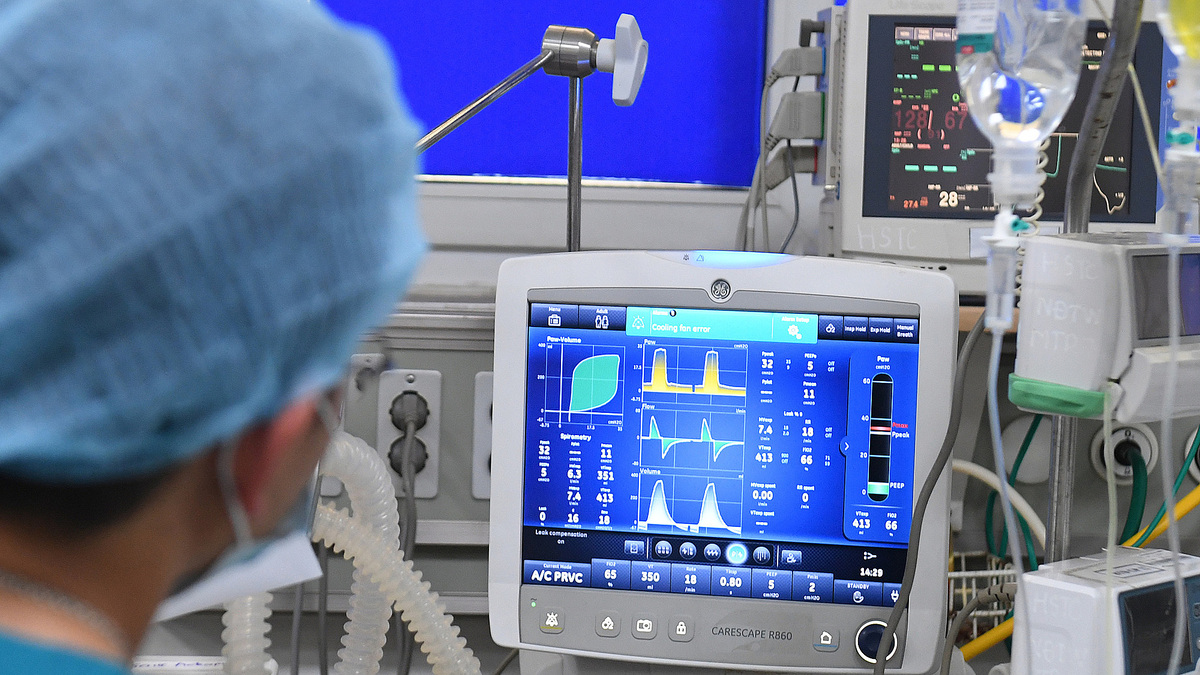
In the Intensive Care Unit (ICU), the stakes are even higher. Dr. Pham Van Phuc, Deputy Director of the Intensive Care Center at the National Hospital for Tropical Diseases, highlights the harrowing reality of working with patients who are often intubated and fighting for their lives.
"We deal with families who are desperate," says Dr. Phuc. "Some cry and beg, others become hostile and aggressive. When dealing with critically ill patients whose conditions fluctuate rapidly, it is incredibly difficult to provide definitive answers. When we cannot promise a recovery, we are often met with anger or disbelief. It is a constant battle to remain professional while being treated as the target of a family’s grief."
For older patients who remain conscious, the experience of being on life support is terrifying. Some patients, in their delirium and pain, demand the removal of their life-support equipment. Medical staff must then balance the duty of care with the need to de-escalate these traumatic situations, often while facing verbal abuse or even physical threats from frustrated family members.
Compassion Fatigue: The Hidden Danger
The persistent suppression of emotions without a formal mechanism for "debriefing" leads to a condition known as "compassion fatigue." Physicians can fall into two extremes: either they become emotionally detached to protect themselves, or they remain haunted by the trauma long after their shift ends.
Despite the obvious psychological burden, the current healthcare infrastructure in many regions remains largely devoid of mental health support for the healers themselves. Most hospitals lack dedicated counseling services for staff, and there are no standardized "debriefing" protocols to be followed after a patient death or a volatile confrontation with family members. Skills such as "Breaking Bad News" are often learned through trial and error—the hard way—rather than through formal, standardized training.
A Call for Systemic Reform
In 2024, the Ho Chi Minh City Hospital for Tropical Diseases opened a mental health care unit for its staff, aimed at helping doctors recharge and reduce stress. While this is a positive step, it remains an exception rather than the rule.
Experts in the field argue that hospitals must prioritize the following:
- Institutional Support: Establishing dedicated counseling channels for medical staff.
- Standardized Protocols: Implementing mandatory debriefing sessions after critical incidents.
- Training: Incorporating mandatory, evidence-based training for communication during crises and the delivery of "bad news."
- Work-Life Balance: Ensuring reasonable rest periods and staffing levels to prevent physical and mental exhaustion.
Without such reforms, the healthcare industry risks losing its most valuable asset: the human element. The ability of a doctor to empathize is what separates quality medicine from mere technical service, but that empathy is a finite resource that requires replenishment.
Back to the Frontlines
For Dr. Viet Anh, the end of the conversation with the couple brings a moment of quiet. Thirty minutes have passed. He takes a long, slow breath, leans back in his chair, and sips a glass of water. He must reset. He has a duty to his next patient.
Outside, a young woman enters the room. She has just been diagnosed with cancer. She clutches a pile of test results, asking the same, heart-wrenching question: "Will I live long enough to raise my children?"
Dr. Viet Anh composes himself, hides his fatigue, and begins the cycle once more. The resilience of the physician is not infinite, but in the sterile, high-pressure environment of the hospital, it is the only thing standing between the patients and the darkness of their despair. For the medical community, the question is no longer whether they can endure this pressure, but how much longer they can do so without a fundamental shift in how the system cares for its own.
Related posts: