Hypertension, commonly known as high blood pressure, remains one of the most critical public health challenges of the 21st century. Characterized by the persistent force of blood against artery walls, this "silent killer" affects over 1.2 billion people globally, according to the World Health Organization (WHO). While medical management through pharmacological intervention is standard, the role of lifestyle modification—particularly in the evening hours—is increasingly recognized as a pillar of effective long-term control. As the body enters a natural resting phase after 17:00, physiological processes shift, and certain habits adopted during this time can exacerbate cardiovascular stress. Maintaining stable blood pressure requires vigilance not only during the day but also in the final hours before sleep.
The Physiological Basis of Evening Blood Pressure Fluctuations
Human blood pressure typically follows a circadian rhythm, characterized by a "nocturnal dip" during sleep. This natural decrease is essential for cardiovascular recovery and repair. However, when individuals engage in behaviors that stimulate the sympathetic nervous system, this protective mechanism is disrupted. The period after 17:00 is often when the workday concludes, leading many to adopt habits—such as alcohol consumption, heavy snacking, or sedentary screen time—that directly counteract the body’s need for evening stabilization. Research published in journals like Circulation suggests that "non-dipping" (the failure of blood pressure to drop at night) is strongly correlated with an increased risk of stroke, heart failure, and myocardial infarction.
1. The Impact of Evening Alcohol Consumption
Alcohol is frequently mischaracterized as a relaxing agent. While it may induce a temporary feeling of sedation, its systemic effects are counterproductive for those managing hypertension. Alcohol acts as a vasodilator in the short term, but its metabolism triggers the release of stress hormones, including cortisol and catecholamines, which elevate heart rate and constrict blood vessels.
Clinical data from the American Heart Association (AHA) indicates that even moderate alcohol intake can trigger a rise in systolic and diastolic blood pressure. For individuals already diagnosed with hypertension, this effect is amplified. Furthermore, alcohol disrupts the architecture of sleep, leading to fragmented rest. Poor sleep quality prevents the blood pressure from reaching its necessary nocturnal nadir, effectively keeping the cardiovascular system in a state of heightened stress throughout the night. Medical professionals advise that if alcohol is consumed, it should be limited, but for hypertensive patients, complete abstinence remains the safest clinical recommendation.
2. Misuse of Over-the-Counter Medications
A common, yet often overlooked, cause of evening blood pressure spikes is the improper use of over-the-counter (OTC) medications to treat minor end-of-day ailments. Many individuals suffer from headaches, muscle tension, or sinus congestion after a long day and instinctively reach for medication without consulting a pharmacist or physician.
Non-steroidal anti-inflammatory drugs (NSAIDs), such as ibuprofen or naproxen, are known to cause sodium and water retention, which directly increases blood volume and, consequently, blood pressure. Similarly, decongestants often contain pseudoephedrine or phenylephrine, compounds that act as vasoconstrictors. These drugs work by narrowing blood vessels to reduce nasal swelling, but this systemic constriction can cause a significant rise in blood pressure levels. Patients are encouraged to maintain an open dialogue with their healthcare providers regarding all medications, including those that do not require a prescription, to ensure that symptom management does not inadvertently worsen chronic conditions.
3. Sodium Intake and the Evening Meal
The modern diet is characterized by high sodium intake, often exceeding the WHO-recommended limit of less than 5 grams of salt per day. Evening meals are frequently the largest source of dietary sodium due to the consumption of processed foods, restaurant takeout, or pre-packaged convenience meals.
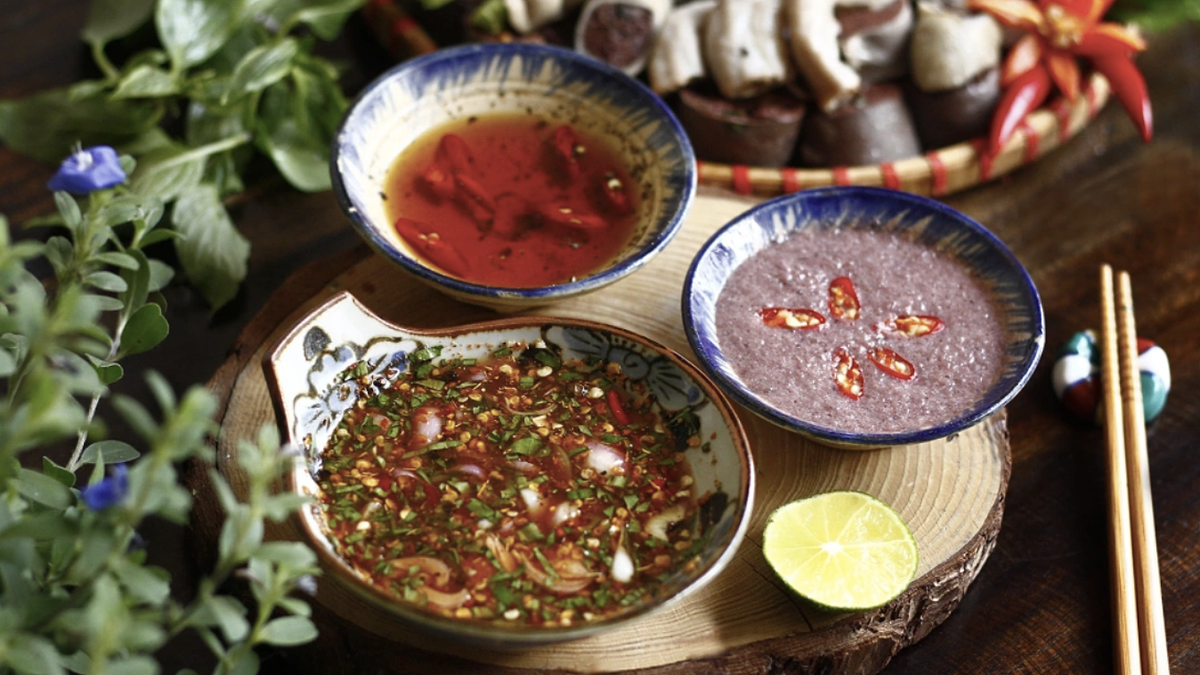
High sodium intake forces the kidneys to retain water to dilute the excess salt in the bloodstream. This increased fluid volume raises the pressure within the blood vessels. When this occurs in the evening, the body lacks the time to process and excrete the excess sodium before the onset of sleep. A systematic review of dietary habits indicates that excessive evening salt intake is a primary contributor to "morning surges" in blood pressure. To mitigate this, patients are advised to transition to a diet rich in fresh vegetables, fruits, and lean proteins, using herbs and spices to enhance flavor rather than salt. Planning meals ahead of time can significantly reduce reliance on high-sodium processed alternatives.
4. The Perils of Prolonged Evening Screen Time
The digital age has introduced a lifestyle of constant connectivity, even during hours intended for rest. Prolonged exposure to blue light from televisions, smartphones, and computers in the evening has two detrimental effects on hypertensive patients: it disrupts the circadian rhythm and promotes sedentary behavior.
Sitting for extended periods prevents the muscles from facilitating efficient blood circulation. Moreover, the content consumed—often stressful news cycles, competitive gaming, or high-intensity dramas—can trigger emotional responses that stimulate the nervous system. This state of emotional arousal prevents the transition to a relaxed state, hindering the natural blood pressure drop required for sleep. Sleep experts recommend a "digital curfew," where screens are turned off at least one hour before bed. Replacing screen time with low-intensity activities such as reading, light stretching, or meditation can promote a more stable cardiovascular profile.
5. Late-Night Sugar Consumption and Metabolic Load
While salt is the most discussed dietary risk for hypertension, sugar intake is equally critical. Consuming sweets, sugary beverages, or heavy desserts late in the evening creates a spike in blood glucose. The subsequent release of insulin to manage this glucose surge can cause significant physiological fluctuations.
Chronic exposure to high blood sugar levels leads to vascular inflammation and stiffening of the arteries, both of which are hallmarks of progressive hypertension. Furthermore, metabolic research shows that late-night snacking disrupts the body’s insulin sensitivity, which has been linked to long-term blood pressure dysregulation. By shifting the consumption of sweet treats to earlier in the day or replacing them with healthier alternatives like berries or yogurt, individuals can avoid the metabolic stress that contributes to nighttime cardiovascular strain.
Broader Implications and Public Health Perspectives
The management of hypertension is no longer limited to the duration of a clinic visit; it is a 24-hour commitment. Public health initiatives are increasingly focusing on the "lifestyle prescription," which emphasizes that small, consistent changes in evening habits can yield significant clinical benefits.
Chronobiology—the study of how biological rhythms affect health—has highlighted that the timing of interventions is just as important as the interventions themselves. For the hypertensive patient, the hours after 17:00 represent a critical window. By avoiding alcohol, being cautious with OTC drugs, limiting sodium and sugar, and reducing evening stress, patients can support their body’s natural restorative processes.
In conclusion, while medication remains essential for those with severe hypertension, lifestyle discipline in the evening hours acts as a powerful adjunctive therapy. Through education and the adoption of these five habit-adjustments, patients can significantly improve their quality of life, reduce the risk of secondary complications, and achieve better control over their cardiovascular health. Consistency is the foundation of success in managing chronic conditions, and the evening hours are where this consistency is most often tested and rewarded.