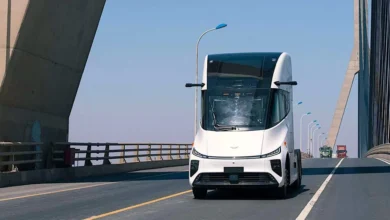
Sản lượng ô tô sản xuất, lắp ráp trong nước tháng 10 vừa qua đạt hơn 54.000 chiếc, mức cao nhất từ đầu năm

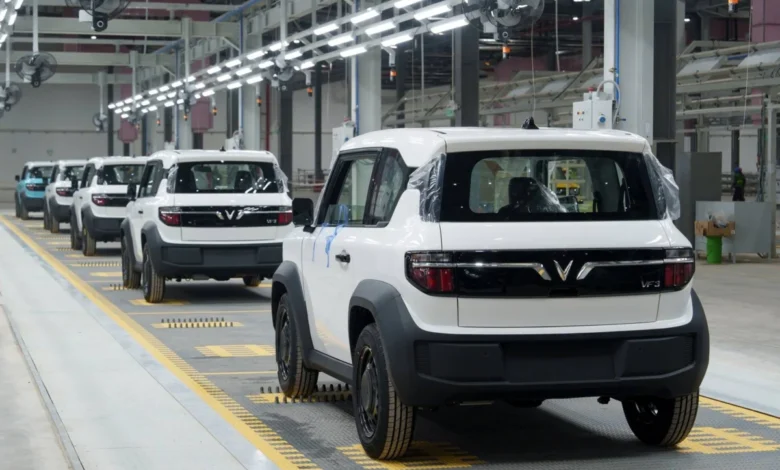
The Vietnamese automotive landscape experienced a dynamic shift in October 2026, characterized by a dramatic surge in domestic vehicle production and assembly, which contrasted with a slight cooling in completely built-up (CBU) vehicle imports. According to the official statistical reports released by the General Statistics Office (GSO), the total supply of new automobiles entering the Vietnamese market—encompassing both domestically manufactured units and imported models—reached 77,195 units in October 2026. This figure represents a notable 11.4% increase compared to the 69,295 units recorded in the previous month, signaling robust consumer demand and aggressive production scaling as the market enters the final, highly lucrative quarter of the year.
The driving force behind this robust market supply was the domestic manufacturing sector. Local assembly plants achieved a milestone production volume of 54,100 units in October alone. This remarkable output marks a sharp 23.0% expansion month-over-month and a substantial 32.2% surge compared to October 2025. Industry observers note that this is the highest monthly production volume recorded by domestic automakers throughout the entirety of 2026, highlighting the resilience, capacity expansion, and supply chain stabilization of local assemblers.
Cumulatively, over the first ten months of 2026, the total volume of automobiles manufactured and assembled domestically reached an impressive 468,200 units, reflecting a healthy 25.1% growth rate over the corresponding period in the previous year. This consistent upward trajectory underscores the increasing self-reliance of Vietnam’s automotive manufacturing ecosystem, bolstered by strategic investments from both domestic conglomerates, such as VinFast, and established joint-venture brands with local assembly operations.
Divergence in the Import Sector: Volume and Turnover Decline
While domestic production soared to record-breaking heights at the threshold of the fourth quarter, the imported automobile sector experienced a minor correction. Data from the GSO indicates that local enterprises imported 23,095 complete built-up vehicles into the country in October, generating a total import turnover value of $437 million.
This performance represents an 8.7% decrease in volume and a steeper 22.9% drop in total monetary value compared to September 2026. However, when viewed through a year-over-year lens, the import landscape maintains a positive growth trajectory: October 2026 imports rose by 29.8% in volume, although total import value experienced a marginal contraction of 3.8%, pointing toward shifts in the segment mix, potentially favoring more affordable imported models or localized price adjustments by international brands.
Looking at the broader macroeconomic picture for the first ten months of 2026, Vietnam has imported a cumulative total of 216,315 completely built-up vehicles. The total import turnover for this ten-month period reached $4.896 billion, marking a solid 25.2% increase in physical volume and a 26.6% rise in value compared to the same timeframe in 2025. These figures demonstrate that despite the monthly fluctuation observed in October, foreign-assembled vehicles continue to command a substantial share of the Vietnamese consumer market.
Ten-Month Market Overview and Cumulative Growth
The convergence of record domestic manufacturing and high import volumes has flooded the Vietnamese automotive pipeline with unprecedented inventory levels. In total, the cumulative supply of new vehicles—both domestic and imported—approaching the market in the first ten months of 2026 stands at approximately 684,510 units. This abundant supply directly addresses previous supply chain bottlenecks and provides consumers with an extensive array of choices across various vehicle segments, from entry-level urban cars to premium SUVs and commercial vehicles.
Industry analysts attribute this persistent high supply to several structural factors. First, automotive brands are heavily stocking up their inventories to prepare for the peak year-end shopping season, which traditionally witnesses a surge in consumer purchasing power driven by holiday demand, promotional campaigns, and year-end bonuses. Second, government policies supporting domestic manufacturing and the continuous introduction of new model lineups have stimulated both production lines and consumer interest.
Implications for Market Competition and Consumer Choice
The robust production and high import volumes observed in October carry profound implications for the competitive dynamics of Vietnam’s automotive industry. With ample supply readily available across showrooms nationwide, consumers now hold greater bargaining power, enjoying diverse options in terms of vehicle models, trims, and competitive pricing strategies.
Furthermore, this high-volume environment significantly intensifies competition among manufacturers and authorized distributors. To clear inventory and capture market share during the peak business quarter, various automotive brands have already begun rolling out aggressive incentive programs, including registration fee discounts, extended warranties, and complimentary service packages. This competitive pressure is expected to benefit buyers by stabilizing vehicle prices and encouraging brands to introduce cutting-edge technology and safety features.
As the market progresses deeper into the fourth quarter of 2026, attention remains focused on how these supply dynamics will influence retail sales figures. With a flurry of new vehicle launches scheduled for November—including highly anticipated models such as the Subaru Forester Hybrid, flagship electric offerings like the Volvo EX90 and ES90, the new-generation Mazda CX-5, and multiple new introductions from Volkswagen—the Vietnamese automotive market is poised for an exceptionally vibrant and competitive finish to the year.