Piaggio Group Unveils Advanced Vespa Elettrica Lineup at EICMA 2026 Featuring Enhanced Performance and Modular Battery Technology

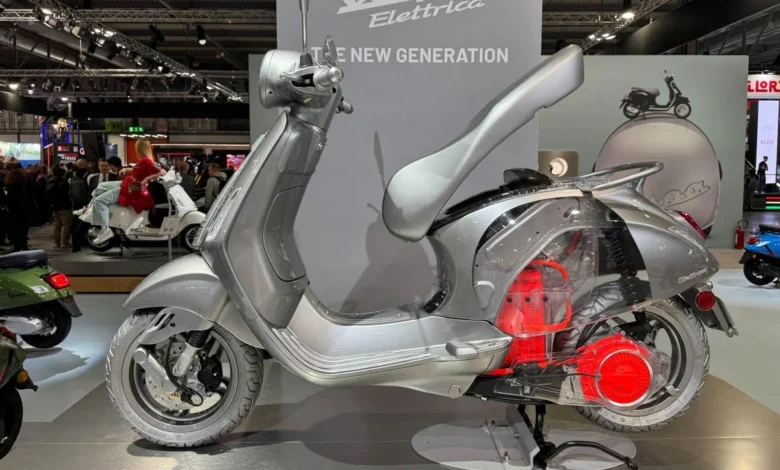
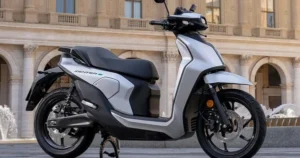
The EICMA 2026 motorcycle exhibition in Milan has served as the global stage for the Piaggio Group to debut its most significant expansion of the Vespa Elettrica range to date. Marking a pivotal shift in urban mobility, the Italian manufacturer introduced three distinct variants—the Primavera Elettrica 45, the Sprint S Elettrica 45, and the high-performance Primavera Tech Elettrica 70—signaling a transition from niche electric offering to a comprehensive ecosystem of electrified two-wheelers. By integrating proprietary motor technology and modular energy solutions, Piaggio aims to consolidate its position as a leader in the premium electric scooter segment.
A Strategic Pivot: The Evolution of the Vespa Elettrica
The introduction of these models represents a calculated evolution for the Piaggio Group. Since the initial launch of the Vespa Elettrica in 2018, the company has observed shifting consumer demands toward more flexible, sustainable, and high-performance urban transport. The 2026 lineup is designed to address three primary pillars: performance versatility, user convenience, and technological integration.
According to Piaggio’s technical briefing at EICMA, the development of these new models was centered on a modular electric powertrain manufactured entirely in Italy. This move away from outsourced components allows the company to optimize the torque profile of the motors, ensuring a more responsive acceleration curve—a critical factor for stop-and-go city traffic. While the company has not yet released granular torque-to-weight ratios or specific 0-50 km/h acceleration times, preliminary data suggests that the improved thermal management of the new motors allows for more consistent performance during repeated acceleration cycles.
Detailed Technical Specifications and Performance Metrics
The lineup is segmented by speed capabilities and energy capacity, catering to a diverse range of riders from novice commuters to performance-oriented urbanites.
The 45 Series: Accessibility Meets Convenience
The Primavera Elettrica 45 and the Sprint S Elettrica 45 are categorized as entry-level electric scooters, designed to meet European regulations for vehicles not requiring a full motorcycle license in many jurisdictions. Both models feature a 3.1kW electric motor mounted directly to the rear wheel. The standout feature of this series is the 2.3kWh lithium-ion battery, which is designed to be fully removable. This architectural change is a major departure from previous fixed-battery configurations, providing significant utility for urban dwellers living in apartments or working in offices where access to charging infrastructure is limited.
In terms of range, both the Primavera and Sprint S 45 offer approximately 80 kilometers on a single charge under standard conditions. This range is optimized for short-to-medium distance daily commuting, with top speeds electronically capped at 45 km/h to align with safety and regulatory standards for the category.
The 70 Series: Increased Range and Technological Sophistication
For riders seeking more robust performance, the Primavera Tech Elettrica 70 represents the top-tier offering. Equipped with a 4.2kWh battery and a 4kW motor, this model delivers a top speed of 67 km/h. Its operating range is projected at 100 kilometers under the World Motorcycle Test Cycle (WMTC) protocols.
The Tech variant distinguishes itself through efficiency-focused software management. Piaggio engineers have refined the powertrain’s controller, resulting in a 17% reduction in energy consumption compared to the previous generation of electric Vespas. This, combined with the larger battery, allows for a 12.5% increase in total operating range. Furthermore, the 70 series includes a "battery maintenance" mode, which can be activated remotely via the dashboard to preserve the cell health of the unit during extended periods of inactivity.
Engineering Excellence and Structural Integrity
Piaggio has maintained the iconic aesthetic of the Vespa while re-engineering the chassis to accommodate the new electrical architecture. The scooters retain the classic underbone steel frame, reinforced with welded steel reinforcements to handle the distinct weight distribution of the battery packs. True to the Vespa heritage, the bodywork remains constructed entirely of pressed steel, rejecting the trend toward plastic panels favored by many competitors.
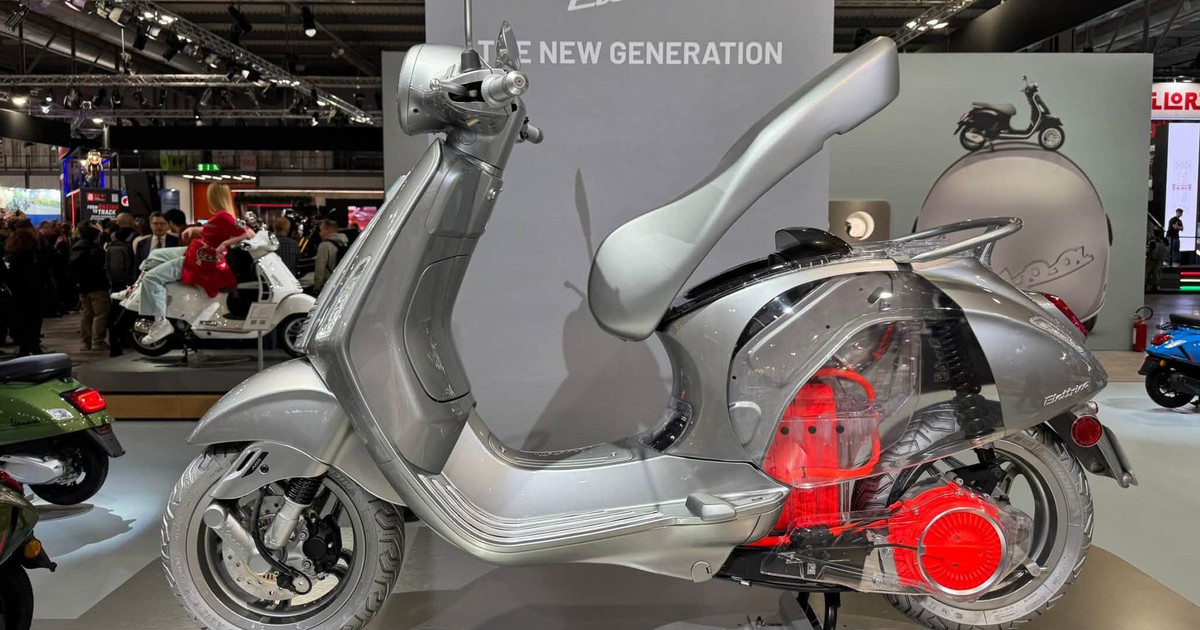
The braking systems across the board feature a 200mm front disc and a 140mm rear drum. However, to accommodate the increased speed of the 70 Series, Piaggio has included a single-channel Anti-lock Braking System (ABS), a critical safety addition for a vehicle designed to navigate the unpredictability of metropolitan road surfaces.
Digital Integration and Connectivity
Connectivity has become a cornerstone of the modern Vespa experience. While the 45 Series retains a classic analog-style instrument cluster to preserve a retro aesthetic, the Primavera Tech 70 Series features a sophisticated 4.3-inch full-color TFT display. This interface serves as the hub for the vehicle’s connectivity suite, offering turn-by-turn navigation, smartphone integration for music and call management, and real-time battery diagnostics.
The integration of these digital features is part of Piaggio’s broader strategy to position the Vespa not just as a vehicle, but as a connected device within a larger smart city infrastructure. By providing users with granular data on their energy consumption and battery health, Piaggio is attempting to mitigate "range anxiety"—the primary hurdle currently facing the widespread adoption of electric motorcycles.
Implications for the Market and Industry
The launch of these models reflects an industry-wide push toward sustainable urban mobility. With many European cities implementing low-emission zones and restrictions on internal combustion engines, the timing of the new Vespa lineup is strategic.
Industry analysts suggest that by focusing on modular batteries, Piaggio is positioning itself to compete with emerging electric mobility brands that have gained traction by offering "battery swapping" or "easy-charge" solutions. However, Piaggio holds a distinct advantage: brand equity. The Vespa brand represents a cultural icon, and by retaining the classic silhouette while modernizing the propulsion, Piaggio is successfully bridging the gap between nostalgic appeal and future-ready technology.
Furthermore, the decision to manufacture the motors in-house, utilizing materials that avoid rare-earth elements where possible, addresses growing concerns regarding the supply chain ethics of electric vehicle components. This "Made in Italy" stamp is expected to serve as a key differentiator for European buyers who prioritize sustainability and local manufacturing standards.
Challenges and Future Outlook
Despite the enthusiasm surrounding the EICMA announcement, the company faces significant challenges. The absence of confirmed pricing and a definitive distribution roadmap for markets outside of Europe leaves a gap in the launch strategy. Furthermore, the price point of the new Vespa line will be a decisive factor. As a premium product, the Vespa must balance its heritage status with the increasingly aggressive pricing strategies of electric scooter manufacturers from Asia and domestic European start-ups.
Piaggio has also remained tight-lipped regarding the lifecycle of the new batteries and the potential for a secondary market for used units. As the industry matures, the ability to recycle or repurpose these batteries will become a key component of the company’s environmental, social, and governance (ESG) reporting.
Conclusion
The 2026 Vespa Elettrica lineup is more than a simple product refresh; it is a declaration of intent. By combining the iconic design language of the world’s most recognizable scooter with cutting-edge, user-friendly electric technology, Piaggio is attempting to secure the future of the Vespa brand in a rapidly decarbonizing world. With a focus on modularity, improved efficiency, and advanced digital integration, the new Primavera and Sprint models are well-equipped to meet the needs of the modern urban rider, provided that the company can navigate the complexities of global supply chains and competitive pricing in the coming years.
As the EICMA 2026 concludes, the industry will be watching closely to see how quickly these units reach the showroom floor and whether the market response justifies the massive investment in R&D that Piaggio has committed to its electric future. For now, the legacy of the Vespa appears to be on firm, if somewhat electrified, ground.