Washington Weighs Comprehensive European Security Framework to Achieve Lasting Peace in Ukraine Following High-Level Talks

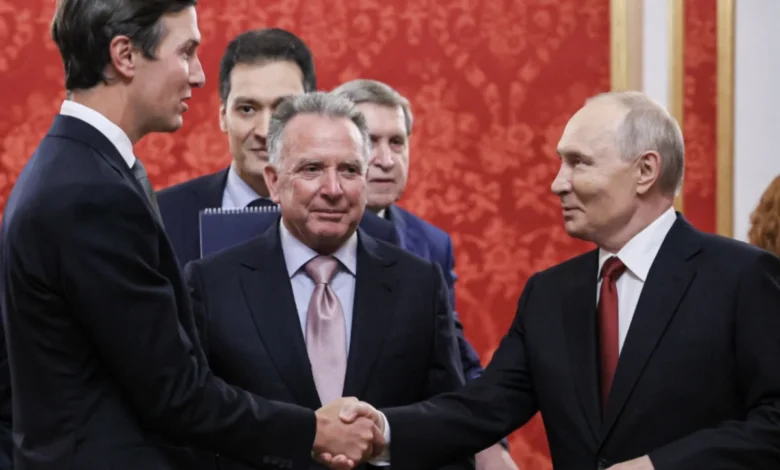
Washington is currently exploring the establishment of a significantly expanded European security architecture aimed at addressing the long-standing concerns of all involved parties and supporting a sustainable, long-term solution for Ukraine. The initiative, revealed by high-ranking diplomatic and advisory circles within the United States administration, marks a potential turning point in transatlantic security dynamics. It comes in the wake of intensive high-level consultations involving key international stakeholders, European Union leadership, NATO representatives, and Moscow.
The push for a broader diplomatic and security framework reflects a growing recognition among Western policymakers that traditional containment models and fragmented regional security pacts have failed to prevent large-scale conflict on the European continent. By attempting to bridge decades of geopolitical mistrust, the current U.S. administration aims to craft a comprehensive diplomatic architecture that goes far beyond immediate ceasefires, targeting the structural causes of instability from the Baltic to the Black Sea.
Background and Context of the Transatlantic Security Rethink
For more than three decades following the dissolution of the Soviet Union, European security has rested largely on the eastward expansion of the North Atlantic Treaty Organization (NATO) and various cooperative mechanisms overseen by the Organization for Security and Co-operation in Europe (OSCE). However, these arrangements consistently failed to incorporate Russia into a stable, binding security framework, leading to mounting grievances over spheres of influence, military positioning, and strategic depth.
The outbreak of large-scale hostilities in Ukraine catalyzed a fundamental reassessment of these structures. The sheer human and material cost of the conflict has demonstrated the inadequacy of ad-hoc crisis management. According to international observers and diplomatic insiders, decades of declining mutual trust, contradictory security doctrines, and the devastating fallout of the ongoing war have made the task of establishing a permanent peace framework both immensely challenging and urgently necessary.
Against this backdrop, the U.S. administration has taken a proactive stance, attempting to broker foundational agreements that balance Ukraine’s sovereign right to self-determination and defense with Russia’s core strategic anxieties. The objective is to construct an environment that minimizes the risk of future military escalation and establishes predictable, verifiable security parameters across the European theater.
Chronology of Recent Diplomatic Developments
The momentum toward a revamped security framework accelerated rapidly in early November, culminating in a series of crucial diplomatic encounters in Washington, Brussels, and soon, the Middle East.
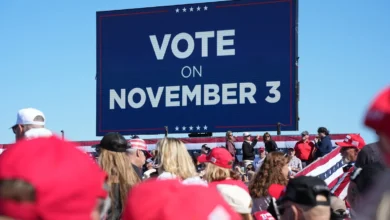
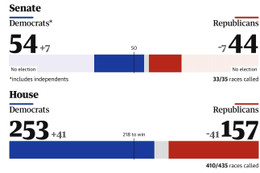
- November 3: Mid-term election results in the United States altered the domestic political landscape, with the Democratic Party expanding its majority in the House of Representatives, subtly shifting the legislative dynamics surrounding foreign policy authorizations and international aid packages.
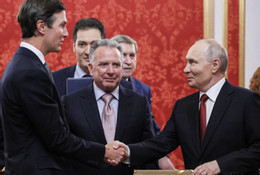
- November 5 (Morning): A high-stakes, unannounced meeting took place at the White House between U.S. leadership and Kirill Dmitriev, a special envoy of Russian President Vladimir Putin. The discussions reportedly broached the possibility of a sweeping settlement that extends well beyond the immediate theater of war in Ukraine and touches upon pan-European security architecture.
- November 5 (Afternoon): Following the White House consultations, senior U.S. presidential envoy Jared Kushner engaged in virtual and direct talks with key Ukrainian partners, NATO leadership, and European Union officials in Brussels. On the social media platform X, Kushner outlined the contours of the administration’s thinking regarding a new security framework.
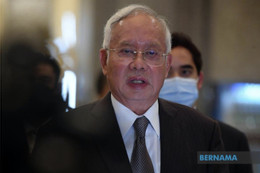
- November 6: Kremlin Spokesperson Dmitry Peskov addressed the diplomatic flurry, stating that Moscow had not yet received specific, detailed proposals regarding any overarching grand bargain, thereby underscoring the preliminary and fluid nature of the discussions. Concurrently, legal and political developments in secondary regions—such as a federal judge temporarily halting a prominent infrastructure project and corruption-related legal proceedings in Southeast Asia—momentarily competed for international media attention, highlighting the complex global backdrop against which these negotiations unfold.
- November 10–11 (Scheduled): A critical round of trilateral discussions involving representatives from the United States, Russia, and Ukraine is slated to take place in Abu Dhabi, United Arab Emirates. European partners are expected to be consulted on the outcomes of these talks and may be integrated into a broader negotiation framework should the diplomatic process register concrete progress.
Core Pillars of the Proposed Security Framework
According to details shared by U.S. diplomatic representatives, the proposed European security architecture rests on several innovative yet pragmatic mechanisms designed to ensure transparency, accountability, and reciprocity.
- Regularized Consultation Mechanisms: Establishing permanent, institutionalized communication channels between NATO, European capitals, and Moscow to prevent misunderstandings during military exercises or border incidents.
- Crisis Hotlines and Early Warning Systems: Upgrading direct communication links between military commands to enable rapid de-escalation during heightened tensions.
- Transparency and Military Monitoring: Implementing rigorous inspection protocols, mutual notifications of force movements, and caps on troop concentrations in designated border zones.
- Reciprocal Security Guarantees: Designing "quid pro quo" measures that offer security assurances to all participating states while preserving national sovereignty over military alliances and defense procurement.
Importantly, the framework envisions that individual nations will retain ultimate control over their domestic security choices and military alignments. Meanwhile, NATO is expected to maintain its central role in the collective defense of Europe, ensuring that existing alliance commitments are not diluted while parallel diplomatic channels engage Moscow.
Official Responses and International Reactions
The diplomatic initiative has elicited a complex array of responses from international capitals, reflecting both cautious optimism and deep-seated skepticism born of historical failures.
In Washington, the administration has framed the outreach as a necessary evolution in statecraft. By combining robust military deterrence with direct diplomatic engagement, the White House seeks to test the boundaries of what is achievable through negotiation. However, domestic political constraints—including congressional oversight and varying levels of enthusiasm among Western allies—pose significant hurdles to the realization of any formal treaty.
In Moscow, official reactions remain measured. While the Kremlin acknowledged the contacts via Spokesperson Dmitry Peskov, Russian authorities have emphasized that they await concrete, written proposals rather than broad strategic hints. Moscow continues to insist that any long-term security settlement must fundamentally address its core objections to NATO’s eastward posture and recognize its security interests in the post-Soviet space.

European capitals and Brussels have expressed a mixture of support and vigilance. European leaders have stressed that no sustainable security architecture can be built without the full participation of Ukraine and the broader EU community. The upcoming trilateral talks in Abu Dhabi are viewed by European diplomats as a crucial test of whether Washington’s ambitious vision can be translated into an inclusive, workable negotiation format.
Broader Impact and Strategic Implications
The pursuit of a revitalized European security framework carries profound implications for the global geopolitical order. Should the current diplomatic push succeed in laying the groundwork for a lasting settlement, it could fundamentally alter the security landscape of the 21st century, shifting the paradigm from one of chronic confrontation and proxy conflict to managed coexistence and structured arms control.
Conversely, failure to bridge the deep divides between Western security demands and Russian strategic imperatives risks entrenching a permanent state of fragmentation across the European continent. Such an outcome would likely necessitate sustained, high levels of defense spending, prolonged economic compartmentalization, and an ongoing risk of catastrophic military escalation.
As delegations prepare to convene in Abu Dhabi, the international community watches closely. The coming days will likely determine whether the contours of a new grand bargain can move beyond exploratory dialogue and evolve into a concrete blueprint for enduring peace.