Why seatbelts often feature a looped or stitched section of fabric and what it really means for your safety

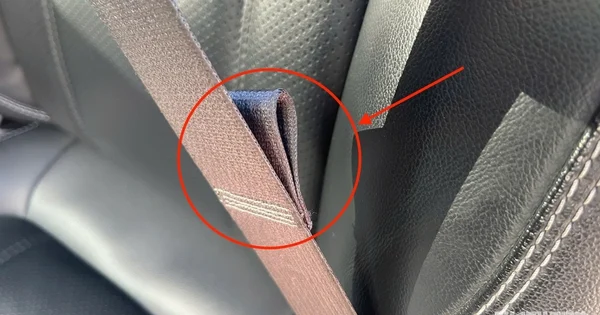
In the intricate engineering of modern automotive safety systems, almost every component serves a specific, life-saving purpose. Among these, observant vehicle occupants may have noticed a peculiar detail on their seatbelts: a segment of webbing that appears folded, stitched, or looped into a ring, differing significantly from the smooth, flat material of the rest of the strap. While some might mistake this for a manufacturing reinforcement or an aesthetic anomaly, this feature, known as an energy management loop or tear-stitching, is a critical component in the vehicle’s passive safety architecture. It serves as a sophisticated mechanism designed to mitigate injury risks during high-impact collisions.
The evolution of seatbelt technology has been marked by a transition from basic restraint to complex, dynamic energy absorption. Understanding why these loops exist requires a deeper look into the physics of an automobile accident and the engineering philosophy behind occupant protection.
The Physics of Impact and the Role of Restraint
During a frontal collision, the laws of inertia dictate that the occupants of a vehicle continue to move forward at the same speed the vehicle was traveling before the impact. The primary role of the seatbelt is to arrest this forward momentum, preventing the passenger from striking the steering wheel, dashboard, or windshield.
However, this rapid deceleration presents its own set of risks. If the seatbelt acts as a rigid barrier, the sudden force applied to the chest and shoulder—areas where the human body is relatively fragile—can result in severe secondary injuries, including broken ribs, collarbone fractures, or internal trauma. Even when a seatbelt is worn correctly, the sheer intensity of the force can be damaging if it is not managed effectively.
To address this, automotive engineers developed "load limiters." The stitched or looped section of the seatbelt webbing is a tangible, mechanical manifestation of this technology. It is calibrated to tear or unravel at a predetermined threshold of force. When the tension in the seatbelt reaches a critical point during a crash, the thread holding the loop together breaks, allowing an extra length of webbing to extend. This controlled release acts as a shock absorber, extending the time over which the deceleration occurs and reducing the peak force exerted on the occupant’s torso.
Chronology of Seatbelt Innovation
The journey toward modern restraint systems began in the mid-20th century. While Nils Bohlin, an engineer at Volvo, introduced the three-point seatbelt in 1959, the technology has undergone decades of iterative improvements.
In the 1970s and 80s, the focus shifted from mere retention to injury mitigation. Engineers realized that holding a person in place was not enough; the way in which they were held was equally important. By the 1990s, the integration of pretensioners—which tighten the belt milliseconds before impact—became standard. Following this, the refinement of load limiters, including the tear-stitch loop, emerged as a necessary companion to pretensioners. By the 2000s, these features had become industry standard, appearing in nearly every passenger vehicle produced globally to meet rigorous international safety standards such as those set by the Euro NCAP and the National Highway Traffic Safety Administration (NHTSA) in the United States.
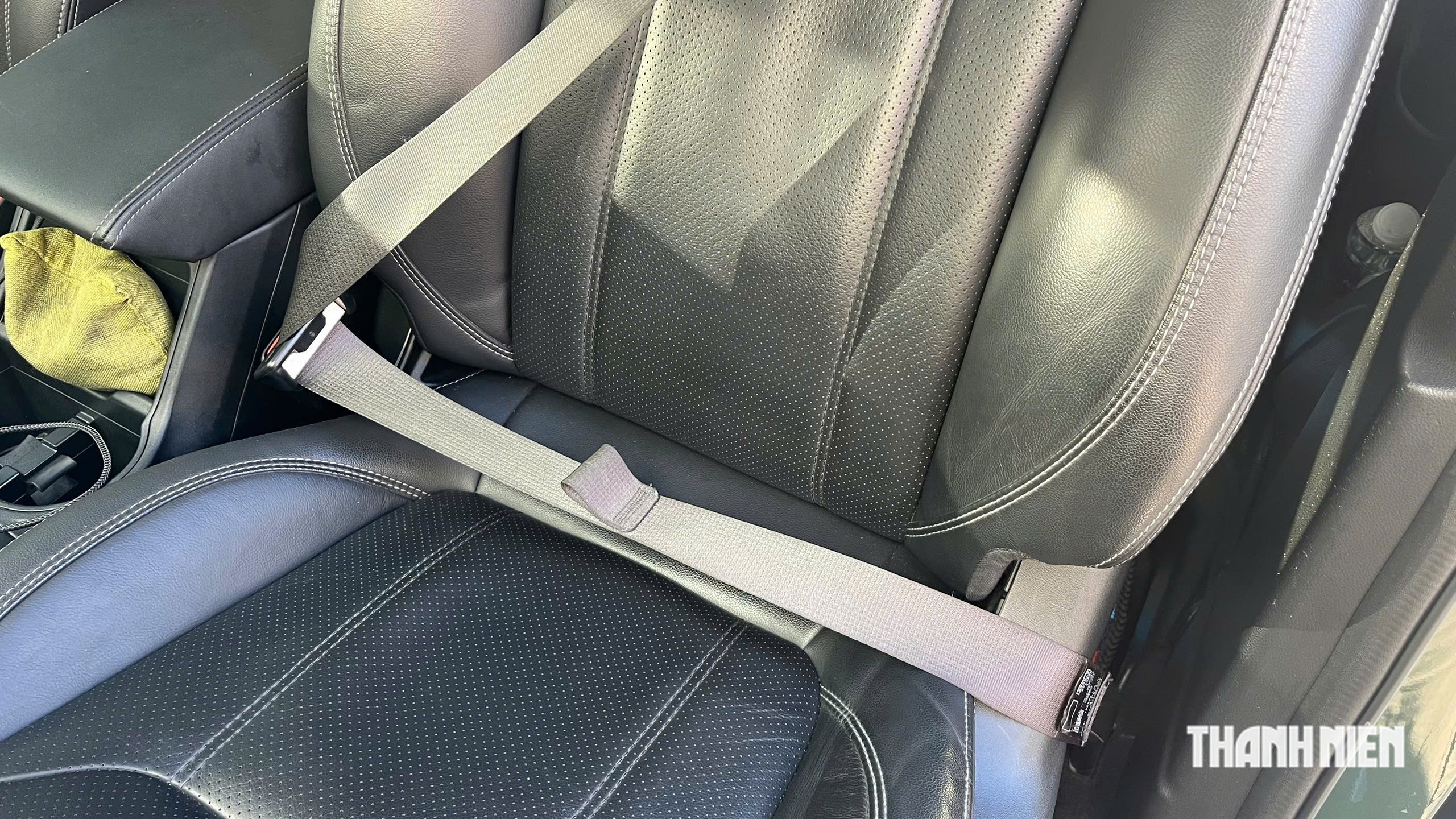
Distinguishing Functional Loops from Design Features
It is a common misconception that every fold or stitch in a seatbelt serves an energy-absorption function. Manufacturers often incorporate specific design elements to improve user convenience, which can be visually confused with safety-critical stitching.
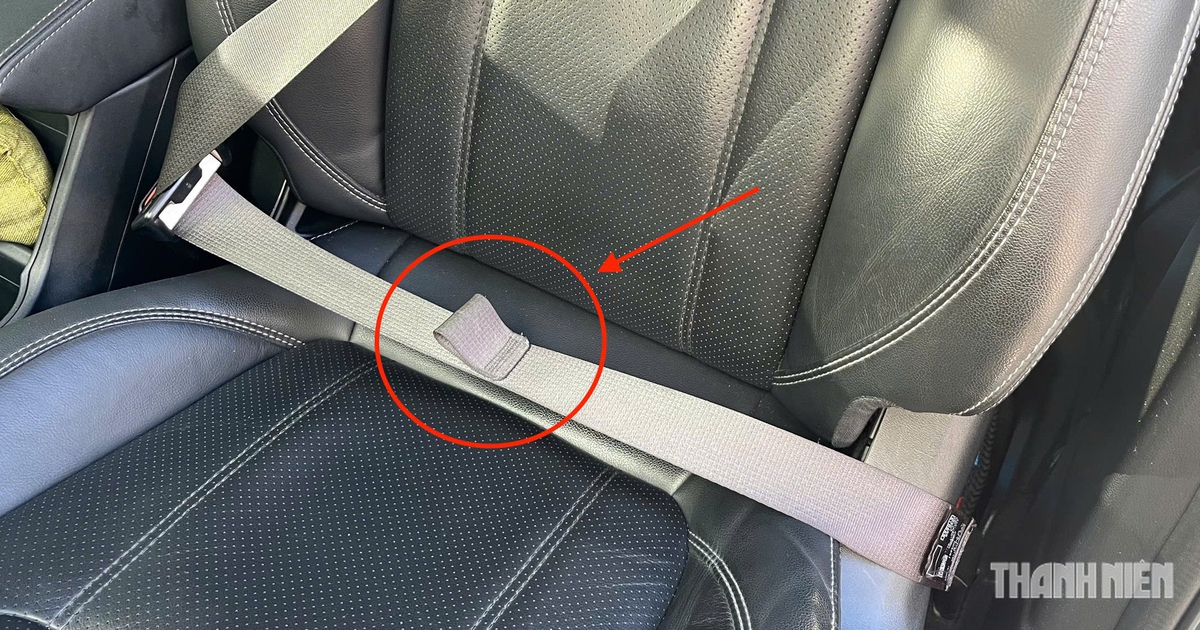
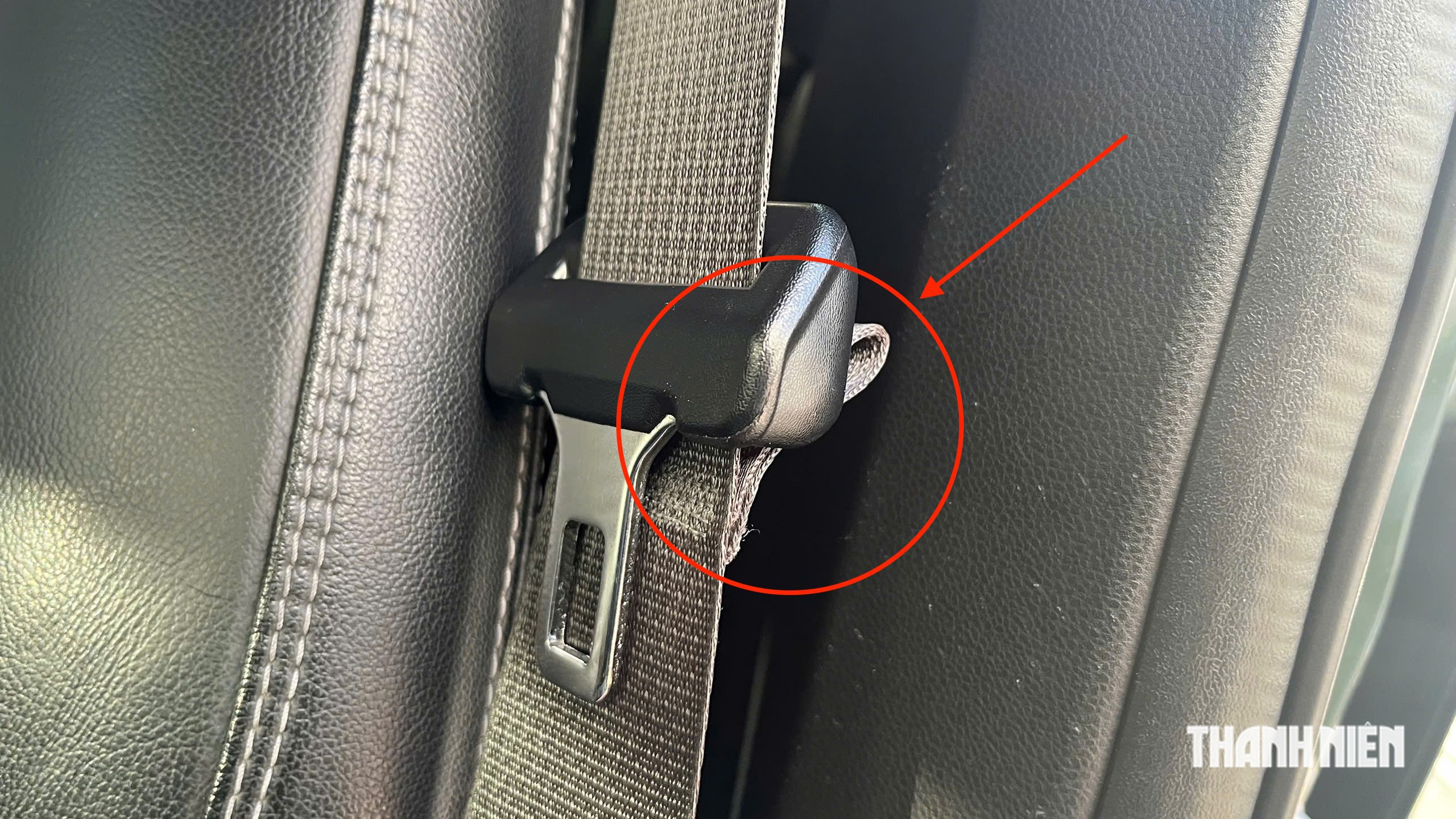
On many vehicles, small plastic buttons or specific stitched folds are placed at the base of the seatbelt webbing. These serve as a "stop" mechanism, ensuring that the latch plate—the metal component that clicks into the buckle—remains at a convenient height. Without this, the buckle would slide down to the floor whenever the seatbelt is unfastened, forcing the occupant to reach down to the seat base every time they prepare to drive.
These convenience stops are purely ergonomic. They do not possess the structural integrity or the specific tear-away thread pattern found in actual energy management loops. Consumers can usually distinguish the two by the location and the surrounding material: energy management loops are typically found on the upper shoulder section of the belt, where the load is greatest, whereas positioning stops are located near the lower buckle area.
Supporting Data and Statistical Impact
The impact of these safety technologies is reflected in long-term global automotive safety data. According to the World Health Organization (WHO), seatbelts are estimated to reduce the risk of death for front-seat occupants by 45 to 50 percent. When combined with airbags and modern load-limiting technologies like the tear-stitch loop, the survival rate for occupants in high-speed frontal collisions has increased by nearly 30 percent since the early 2000s.
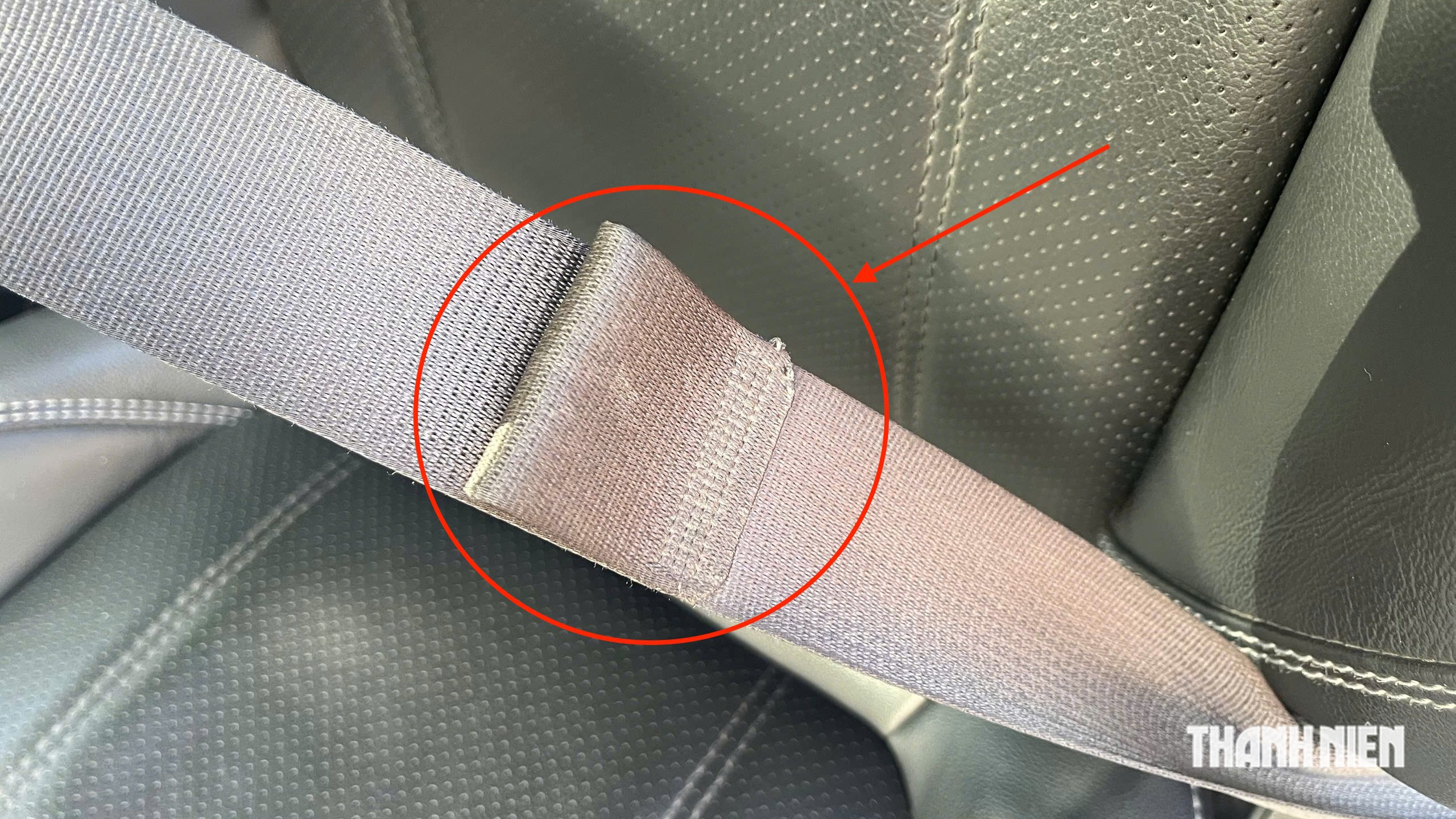
Industry studies suggest that the "controlled extension" provided by tear-stitching can reduce the peak load on the chest by as much as 15 to 20 percent compared to older, rigid seatbelt systems. This margin is often the difference between minor bruising and life-threatening internal organ damage.
Engineering and Industry Perspective
Safety engineers at leading automotive firms emphasize that these loops are not "failure points" but rather "managed failure points." The design is meticulously calculated based on the specific cabin architecture, the weight of the vehicle, and the deployment speed of the airbags.
"We are essentially engineering a controlled break," says a senior safety systems analyst. "The goal is to keep the occupant within the ‘survival space’ of the vehicle while ensuring the restraint system does not become a source of injury itself."
Because these systems are so highly calibrated, safety experts strongly advise against any aftermarket modifications. Adding bulky seatbelt covers, clips to loosen the tension, or attempting to repair frayed webbing can jeopardize the integrity of these energy-management loops. In the event of a collision, a modified seatbelt may fail to deploy the energy-absorption loop correctly, or it may deploy prematurely, rendering the restraint ineffective.
Broader Implications for Vehicle Safety
The existence of these subtle features serves as a reminder of the complexity behind vehicle safety standards. As the automotive industry moves toward autonomous driving and more advanced cabin designs, the importance of passive safety systems like seatbelts remains undiminished. Even in vehicles equipped with autonomous emergency braking and collision avoidance, the seatbelt remains the "last line of defense."
The tear-stitch loop is a testament to the philosophy of "forgiving design." It acknowledges that human bodies have limits and that, in the extreme environment of a crash, the machine must adapt to the occupant. As vehicles become more connected and sensors more accurate, we may see the evolution of "smart" seatbelts that can adjust their tension and energy absorption rates in real-time based on the weight and position of the passenger.
For the average driver, the takeaway is simple: the design of a vehicle is rarely arbitrary. Every fold, stitch, and loop has been vetted through thousands of hours of computer simulation and physical crash testing. Understanding these features not only enhances confidence in the vehicle’s safety equipment but also reinforces the necessity of proper use—never bypassing the system, never modifying the hardware, and always ensuring the belt is correctly positioned across the strongest parts of the body. By respecting these engineering nuances, drivers and passengers can ensure that the safety systems built into their cars function exactly as intended when they are needed most.