Vietnam is standing at a pivotal historical crossroads, transitioning rapidly from a regional destination into a major international aviation and logistics hub. Driven by robust economic growth, a population exceeding 100 million, and a rapidly expanding middle class, the nation is aggressively upgrading its aviation infrastructure. Mega-projects such as the Long Thanh International Airport and the expansion of other key aviation hubs are reshaping the country’s economic landscape, creating unprecedented opportunities to establish a high-value aviation industry, including world-class Maintenance, Repair, and Overhaul (MRO) services.
Strategic Vision and Infrastructure Development
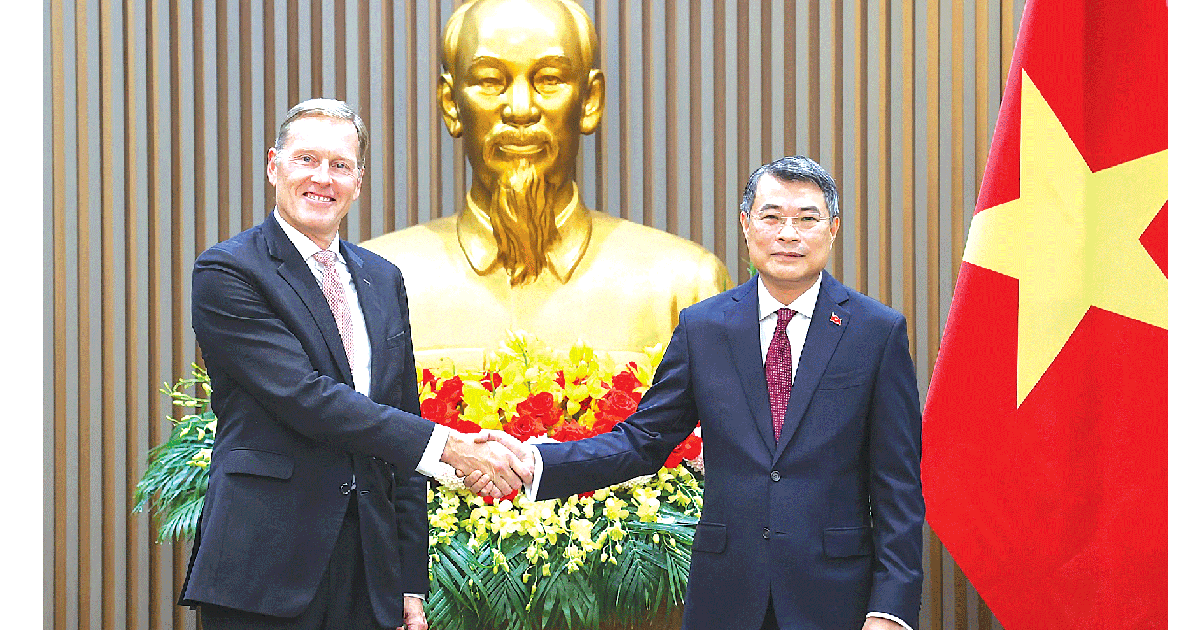
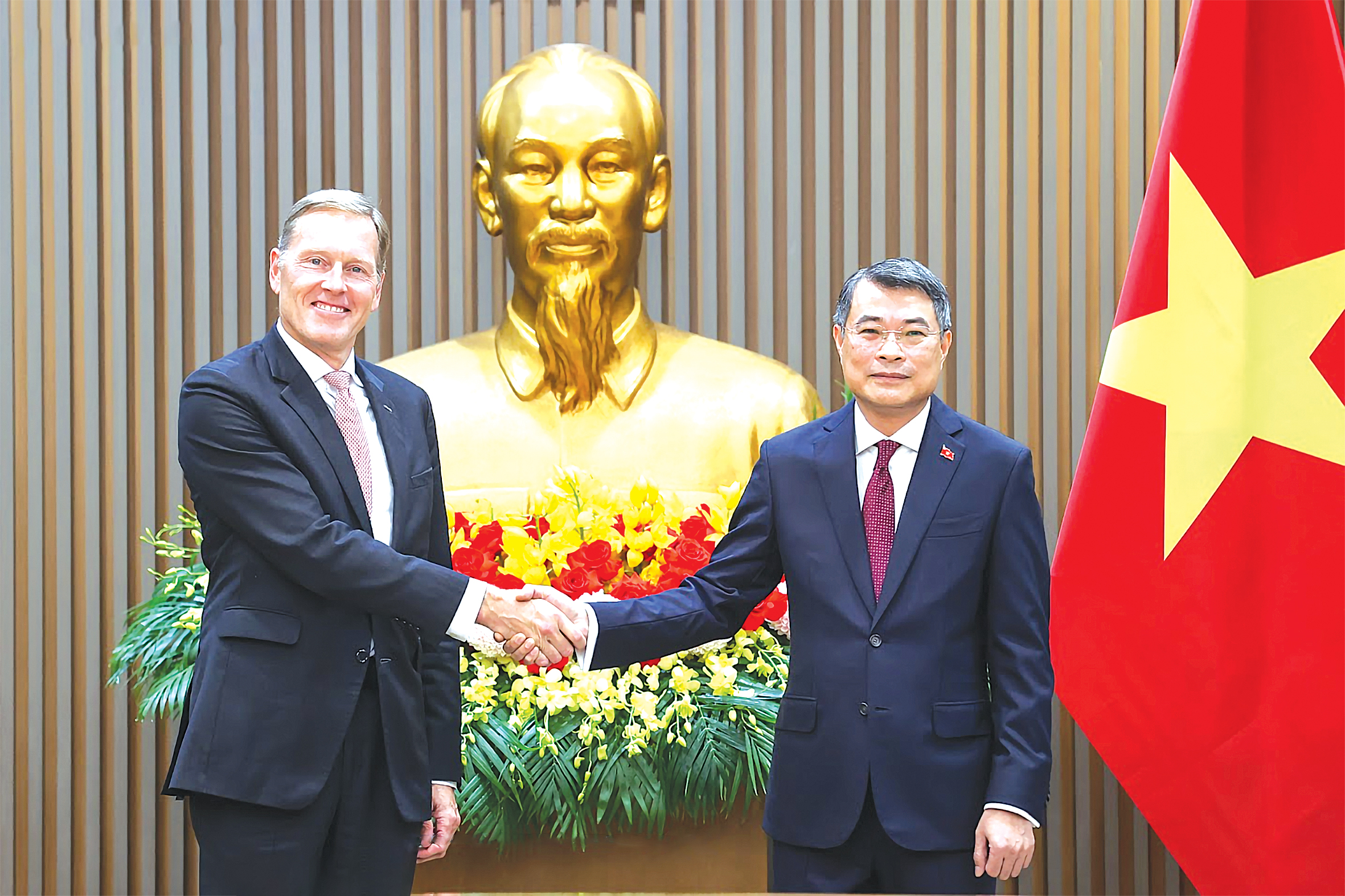
Recent high-level discussions between Vietnamese government leadership and international aerospace giants, including Airbus, have underscored the country’s immense potential for aviation industrial development and fleet upgrades. During a meeting with Wouter van Wersch, Executive Vice President of International at Airbus, Vietnamese leaders emphasized the urgent need to expand domestic aerospace capabilities. Government officials directly urged Airbus to explore the feasibility of establishing international-standard MRO centers within Vietnam, specifically targeting strategic economic zones such as Long Thanh and Gia Binh.
This strategic push comes at a time when Vietnam’s air transport market is experiencing unprecedented growth. According to recent data from the Civil Aviation Authority of Vietnam (CAAV), the total volume of passengers passing through Vietnamese airports surpassed 110 million in the first ten months of 2026, representing a robust year-on-year increase of over 10%. International passenger traffic reached more than 16 million, while domestic passenger numbers approached 34 million. Throughout the first nine months of the year, passenger and cargo transport volumes maintained double-digit growth rates, roughly 12% for passengers and 10% for cargo.
Fuelled by this continuous market expansion, domestic commercial carriers are aggressively scaling up their operations. By the third quarter of 2026, the total size of aircraft fleets registered under the Vietnamese national registry reached nearly 280 units—the largest in the country’s history. This surge in transport capacity is heavily supported by the gradual completion of large-scale, multi-modal infrastructure projects designed to handle soaring regional travel and freight demands.
The Role of Mega-Projects in Regional Integration
At the heart of Vietnam’s aviation transformation are several landmark infrastructure projects. The Long Thanh International Airport, designated as a primary national project, features a designed phase-one capacity of 25 million passengers and 1.2 million tons of cargo per year, with a long-term vision to handle up to 100 million passengers annually. Slated for official commissioning imminently, Long Thanh is positioned to act as a core economic and logistics growth engine for the key southern economic region.
In the northern region, the Gia Binh International Airport is accelerating its development, envisioned as a modern aviation hub directly connected to thriving industrial zones and high-tech logistics services. Concurrently, the Phu Quoc International Airport recently inaugurated a brand-new runway constructed under an accelerated timeline, ready to serve major international diplomatic events such as APEC 2027 and welcome high-end global tourism. Together, this synchronized network of modern airports is anchoring Vietnam firmly into global transportation corridors.
Unlocking the Potential of the MRO Sector
Beyond passenger transport, aviation experts and industry stakeholders highlight Vietnam’s distinct competitive advantages in developing a comprehensive MRO ecosystem. According to industry analyses, the domestic MRO market holds immense untapped potential. A report by the International Air Transport Association (IATA) and data from the International Trade Administration (ITA) estimate that Vietnam’s MRO demand was valued at approximately $654 million in 2024, with domestic MRO facilities currently meeting only about 23% of this demand. The remaining 77% of services are outsourced abroad, signaling a significant market gap that domestic providers can capture.
Vietnam’s strategic geographic location within Southeast Asia and East Asia provides natural connectivity to major aviation markets, including China, Japan, South Korea, Taiwan, and ASEAN nations. Aircraft operating within this region can easily access MRO facilities in Vietnam with optimal flight routing distances. Furthermore, local carriers serve as a reliable baseline customer base for new MRO facilities, significantly mitigating initial hangar utilization risks for international investors.
Domestic technical units have already demonstrated international-standard capabilities. For instance, Vietnam Airlines Engineering Company (VAECO), a subsidiary of the national flag carrier, successfully performed a major heavy maintenance check on an Airbus A350-900 widebody aircraft for Germany’s Lufthansa. Achieving this milestone required VAECO to meet stringent European Union Aviation Safety Agency (EASA) standards and pass rigorous direct evaluations by the customer regarding facilities and workforce expertise. This successful execution serves as a vital foundation for securing further international contracts.
Legal and aviation experts emphasize that Vietnam’s advantages extend beyond airline maintenance. The country possesses a strong foundation in manufacturing, precision mechanics, and electronics, paired with a cost-competitive and highly trainable technical workforce. Legal professionals note that the development of MRO facilities at key locations like Van Don—supported by international partnerships involving experienced entities such as HAECO, Japan Airlines, Toyota Tsusho, and Sun Group—will generate over 1,000 high-skilled technical jobs while facilitating the crucial transfer of maintenance protocols and global supply chain networks.
Economic Ripple Effects and Macroeconomic Impacts
The expansion of aviation infrastructure and the establishment of an aviation industrial ecosystem are projected to generate profound multiplier effects across Vietnam’s broader socio-economic landscape. With an open economy where the total import-export turnover equals approximately 180% of GDP, efficient aviation connectivity directly dictates market accessibility. Shorter flight paths, increased flight frequencies, and minimized transfer times directly benefit travelers, foreign investors, and domestic enterprises.
Tourism, which accounts for roughly 9% of Vietnam’s GDP, relies heavily on aviation, with nearly 80% of international visitors arriving by air. Expanding flight networks, when paired with supportive visa policies and compelling destination marketing, will distribute travelers more evenly across local provinces, driving revenue for hospitality, travel agencies, commerce, and localized services.
In the trade sector, approximately one-third of the value of global goods is transported via aircraft. Aviation is particularly critical for high-value and time-sensitive commodities such as electronics, semiconductors, pharmaceuticals, and perishable goods. IATA surveys indicate that 63% of businesses consider aviation connectivity a "vital" or "very important" factor in investment decisions, underlining the long-term value of stable air routes in attracting Foreign Direct Investment (FDI) and organizing resilient global supply chains.
Currently, aviation’s total contribution to Vietnam’s GDP, including indirect and induced economic impacts, stands at approximately 4%. In contrast, mature aviation hubs boast significantly higher ratios: around 6.8% in Thailand, 7.4% in the United States, and over 18% in the United Arab Emirates. Economic projections suggest that by developing a comprehensive aviation ecosystem, Vietnam can increase this contribution to 6% by 2030 and 8% by 2035, substantially expanding domestic employment opportunities, particularly within the private sector.

Strategic Roadmap for Sustainable Growth
To successfully achieve these ambitious targets, industry stakeholders and economic analysts stress the necessity of addressing key bottlenecks affecting connectivity and operational efficiency. First, major gateway airports must operate under efficient hub models, integrating wide runways, streamlined flight schedules, and seamless passenger and luggage transfer processes. Clear functional divisions between major hubs—such as Long Thanh and Tan Son Nhat in the south, and Noi Bai and Gia Binh in the north—must align closely with airline operating strategies to prevent traffic fragmentation and maximize infrastructure utilization.
Second, domestic aviation enterprises require timely removal of investment bottlenecks regarding fleet acquisition and operational resources. Parallel improvements in trade facilitation—such as 24/7 customs clearance, digital documentation, advanced logistics warehousing, and rapid ground transport to manufacturing zones—are essential to prevent procedural delays from undermining overall transit efficiency.
Furthermore, international organizations like IATA and the International Civil Aviation Organization (ICAO) point out that every direct job created in aviation supports roughly six to seven jobs in related industries, while every $100 of aviation output stimulates approximately $325 in other sectors. These economic indicators demonstrate that the multiplier benefits of enhanced aviation capacity extend far beyond direct transport revenues.
Ultimately, Vietnam’s transformation requires two major paradigm shifts: transitioning from the mere development of aviation infrastructure to the cultivation of a holistic aviation economic ecosystem, and transitioning from traditional physical investments to attracting advanced technological capabilities, robust management systems, and global customer networks. By maintaining transparent, stable legal frameworks and enforcing strict international aviation safety standards, Vietnam is well-positioned to cement its status as a premier regional aviation powerhouse.