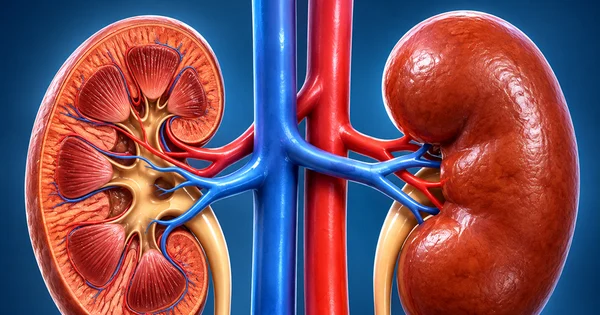
The kidneys serve as the body’s sophisticated filtration system, responsible for removing waste products, balancing electrolyte levels, and regulating fluid volume. When these vital organs suffer from injury or progressive disease, their functional capacity diminishes, often manifesting through subtle yet critical changes in urinary patterns. According to health data and clinical insights provided by organizations such as the National Kidney Foundation (NKF) and Healthline, recognizing these early indicators can be the difference between manageable intervention and the onset of irreversible chronic kidney disease (CKD).
As renal health declines, the systemic ability to maintain homeostasis is compromised. While individuals often wait for overt symptoms like pain or significant edema to seek medical consultation, clinicians emphasize that the urinary tract frequently provides the earliest warning signals. Monitoring the color, volume, and composition of urine is not merely a matter of hygiene but a essential diagnostic practice for maintaining long-term health.
The Physiology of Renal Filtration and Urinary Output
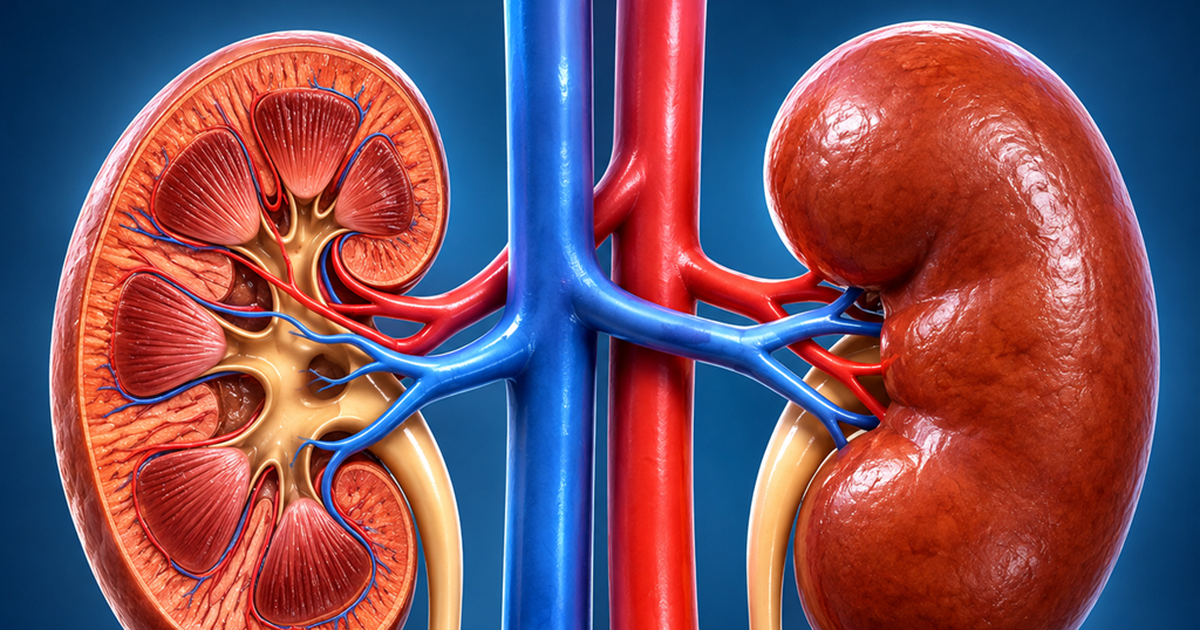
To understand why urinary changes occur, one must consider the anatomy of the kidney. Each kidney contains approximately one million nephrons—tiny, complex structures that filter blood. Within these nephrons, the glomerulus acts as a sieve, allowing water and small solutes to pass into the renal tubules while retaining larger proteins and blood cells.
When the integrity of the glomerular barrier is compromised—whether through chronic hypertension, diabetes, or autoimmune conditions—the filtration process falters. This degradation is often gradual, leading to a silent progression of damage that can go unnoticed for years. By the time symptoms appear, the kidneys may have already lost a significant portion of their functional nephrons. Consequently, observing deviations in urinary habits is a vital tool for early detection.
Persistent Urinary Froth as an Indicator of Proteinuria
One of the most commonly overlooked signs of renal distress is the presence of persistent, bubbly, or foamy urine. Under normal physiological conditions, urine should not contain significant amounts of protein. However, when the glomerular filters are damaged, they allow albumin—a protein typically kept in the blood—to leak into the urine, a condition known as proteinuria.
The presence of protein alters the surface tension of the liquid, causing it to foam or bubble upon contact with the toilet bowl. While occasional bubbles caused by the speed of urination or cleaning agents are common and generally harmless, clinical guidelines suggest that if the foam is dense, thick, and remains present for an extended period, it warrants medical investigation.
The National Kidney Foundation highlights that proteinuria is a hallmark of early-stage kidney damage, particularly in patients diagnosed with diabetes or hypertension. These conditions place chronic stress on the delicate capillary beds of the kidneys. If left untreated, the continuous loss of protein can accelerate the rate of renal fibrosis, leading to a self-perpetuating cycle of damage that inevitably progresses toward end-stage renal disease (ESRD).
Hematuria: Understanding Blood in the Urine
Perhaps the most alarming symptom is the change in urine color to pink, red, or dark brown—resembling tea or cola. This phenomenon, clinically termed hematuria, signifies the presence of red blood cells in the urinary tract. While hematuria can occasionally be caused by less severe issues such as kidney stones or urinary tract infections (UTIs), its presence in the context of persistent renal issues suggests that the structural integrity of the filtering unit has been breached.
Dr. Robert Abouassaly, a urologist at the Cleveland Clinic, notes that under normal circumstances, the renal system effectively sequesters red blood cells within the bloodstream. When the glomeruli become inflamed or damaged—a condition known as glomerulonephritis—these cells escape into the urinary flow. The appearance of dark or "coca-cola" colored urine is a specific clinical red flag that indicates the need for an immediate urinalysis, imaging studies, or a referral to a nephrologist.
Fluctuations in Urinary Volume: Oliguria vs. Polyuria
The volume and frequency of urination are primary metrics for assessing kidney function. A significant reduction in urine output, known as oliguria, often signals that the kidneys are failing to clear waste effectively. When the kidneys lose their ability to filter, the body struggles to maintain water balance, leading to fluid retention and the accumulation of toxic waste products in the blood.
In contrast, some patients experience polyuria, or a marked increase in the frequency and volume of urination, particularly at night (nocturia). This occurs when the kidneys lose their ability to concentrate urine. As the nephrons lose their efficiency, the body attempts to compensate by excreting larger volumes of diluted fluid. This cycle often results in chronic dehydration, as the body loses vital fluids and electrolytes that it is no longer able to reabsorb properly.
Chronology of Kidney Function Decline
Kidney disease typically follows a staged progression. During the initial stages (Stage 1 and 2), patients are often asymptomatic. The kidneys compensate by increasing the workload of the remaining healthy nephrons. During this period, the only visible changes may be microscopic, detectable only through routine blood tests (measuring glomerular filtration rate, or GFR) and urinalysis.
As the disease enters Stage 3, the compensatory mechanisms begin to fail. This is often when the urinary changes described—foaming, color changes, and frequency shifts—become noticeable. By Stage 4 and 5, the kidneys are unable to sustain the body’s metabolic needs, often necessitating clinical intervention such as dialysis or, in advanced cases, renal transplantation.
Broader Implications and Public Health Impact
The global burden of chronic kidney disease is rising, largely driven by the increasing prevalence of diabetes and metabolic syndrome. Data from health agencies indicate that millions of adults are currently living with undiagnosed kidney damage. The economic and social implications are significant, as late-stage kidney failure requires intensive, costly medical management.
The shift toward proactive health monitoring is essential. Public health initiatives now emphasize that patients with high-risk profiles—such as those with a family history of kidney disease, advanced age, or obesity—should undergo annual screenings. These screenings include the Albumin-to-Creatinine Ratio (ACR) test, which can detect proteinuria long before visible foam appears in the toilet.
Clinical Perspectives and Management
Medical professionals stress that these three symptoms—foamy urine, hematuria, and altered output—are not diagnostic in isolation but act as critical prompts for a professional evaluation. A primary care physician will typically follow up on these complaints with a series of diagnostic tests, including:
- Serum Creatinine and GFR: To measure how effectively the kidneys are clearing waste from the blood.
- Urinalysis: To check for the presence of blood, protein, and markers of infection.
- Renal Ultrasound: To inspect the physical size and structure of the kidneys, ruling out obstructions, cysts, or tumors.
The goal of early detection is to arrest the progression of damage. For patients with hypertension, strict blood pressure control is the most effective way to protect the renal microvasculature. For diabetic patients, maintaining blood glucose within a target range is paramount. Lifestyle modifications, including a reduction in sodium intake, smoking cessation, and the avoidance of non-steroidal anti-inflammatory drugs (NSAIDs) which can be nephrotoxic, form the cornerstone of renal preservation.
Conclusion
The kidneys are resilient organs, but their capacity for self-repair is limited once structural damage has occurred. Urinary changes serve as the body’s early-warning system, communicating the stress placed upon these vital filters. By paying close attention to the visual and functional characteristics of urinary output, individuals can take the first step toward safeguarding their long-term health. When in doubt, the most prudent course of action is always to consult a medical professional, as early diagnosis remains the most powerful defense against the silent progression of kidney disease.