Should a 68-year-old with minimal respiratory history receive the RSV vaccine given concerns about potential disease severity in older adults

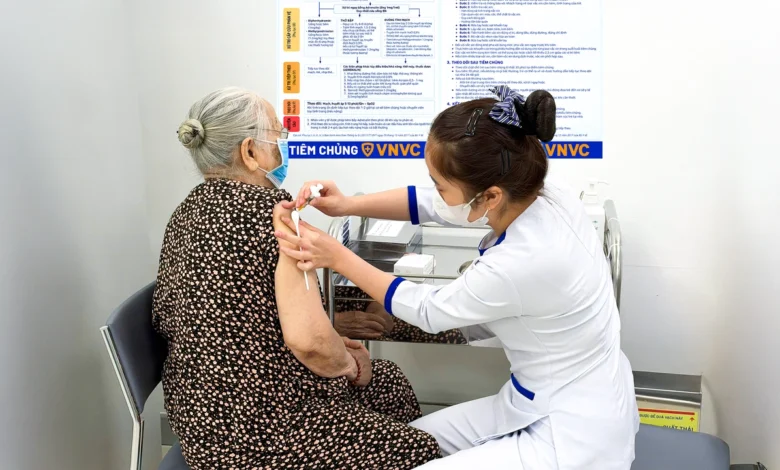
The question of whether an older adult with a seemingly clean bill of health should receive the Respiratory Syncytial Virus (RSV) vaccine has become increasingly central to geriatric healthcare discussions. As of November 16, 2026, medical professionals continue to emphasize that age-related immunosenescence—the natural, gradual decline of the immune system—renders individuals over 60 years of age uniquely vulnerable to complications from RSV, regardless of their prior respiratory health history.
The Clinical Context of RSV in Aging Populations
RSV is a highly contagious respiratory virus that typically manifests in adults as common cold symptoms: runny nose, nasal congestion, fatigue, and a mild cough. While these symptoms are often self-limiting in younger, healthier populations, they can be a precursor to severe illness in the elderly.
Medical data indicates that in older adults, the virus can progress rapidly to lower respiratory tract infections, such as pneumonia, acute respiratory distress, or the exacerbation of underlying chronic conditions. Even in patients who do not have a history of asthma, Chronic Obstructive Pulmonary Disease (COPD), or cardiovascular issues, the aging immune system may struggle to contain the viral load, leading to complications that require hospitalization.
Global Data and Epidemiological Trends
The global burden of RSV among the elderly is significant. According to data aggregated from high-income nations, there are approximately 470,000 hospitalizations and 33,000 in-hospital deaths annually among individuals aged 60 and older linked to the virus. These figures represent a profound public health challenge, prompting international health organizations to prioritize vaccine development and immunization strategies for this demographic.
In Vietnam, recent modeling studies published in 2025 highlight the scale of the risk. Projections suggest that the population aged 60 and older may face approximately 4.6 million episodes of medically attended respiratory infections caused by RSV over a five-year period. This data underscores that the infection is not merely an occasional ailment but a persistent, systemic threat to the longevity and quality of life of the elderly.
Understanding the Vaccination Strategy
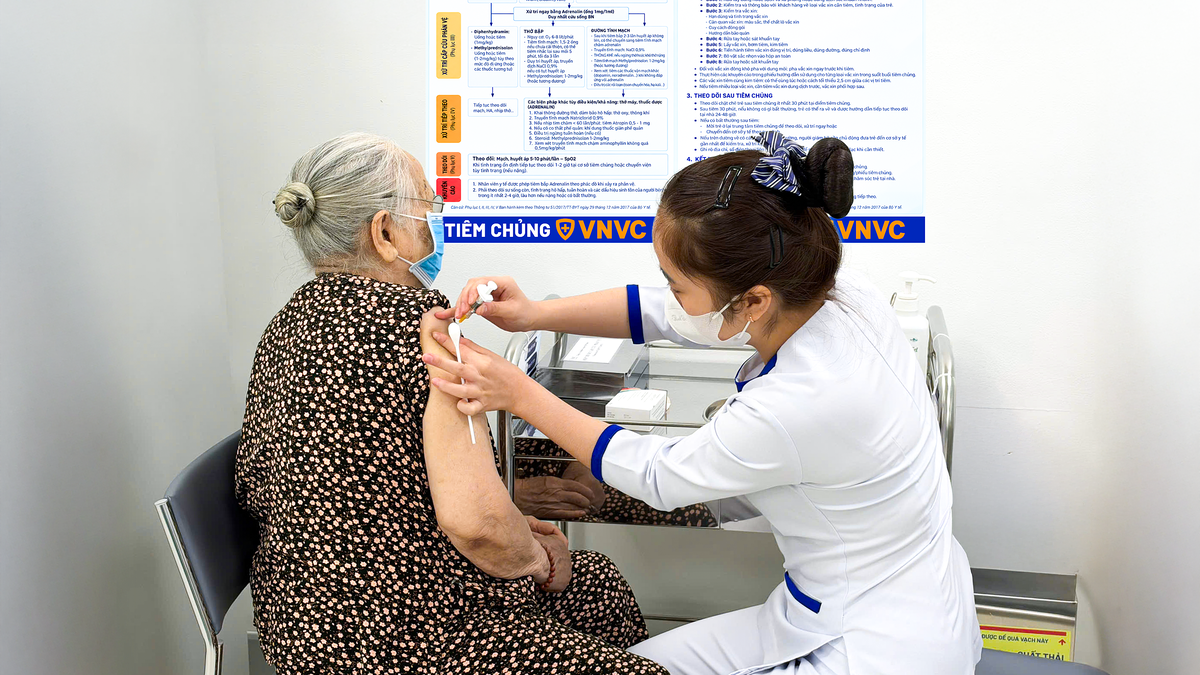
Current medical guidelines, including those practiced at major immunization centers such as VNVC, recommend that adults aged 60 and older consider vaccination as a proactive protective measure. Currently, vaccines developed by major pharmaceutical manufacturers such as Pfizer and GSK are available in Vietnam for this age group, typically requiring a single dose to establish immunity.
The decision to vaccinate should be a collaborative process between the patient and their physician. While the 68-year-old patient in question may be healthy, the medical community notes that "no history of respiratory disease" is not synonymous with "immunity to RSV." Vaccination serves as a vital safeguard, reducing the likelihood of severe progression should an infection occur.
A Chronology of RSV Awareness and Intervention
The focus on RSV as a major geriatric threat has evolved over the last several years:
- Pre-2023: RSV was primarily associated with pediatric health, with less clinical emphasis placed on adult outcomes.
- 2023–2024: Clinical trials for adult RSV vaccines reached critical milestones, demonstrating high efficacy in preventing lower respiratory tract disease in those over 60.
- 2025: Large-scale epidemiological studies, such as those conducted in Southeast Asia, provided concrete data on the incidence rates of RSV, shifting public health messaging toward universal screening and immunization for the elderly.
- 2026: Immunization programs for older adults are now becoming standard practice, with doctors focusing on risk stratification—assessing not just age, but comorbid conditions like diabetes and heart disease.
Fact-Based Analysis: Beyond the Single Vaccine
The clinical consensus is that vaccination should not be viewed in isolation. Dr. Doan Thuan Khanh Cham, representing the medical management team at VNVC, notes that older adults are often susceptible to a "syndemic" of respiratory threats. Infections such as influenza and pneumococcal pneumonia can occur simultaneously or sequentially with RSV, creating a synergistic effect that severely compromises pulmonary function.
Therefore, the recommendation for a 68-year-old is often to review their entire vaccination history. Maintaining an up-to-date schedule that includes influenza, pneumococcal, and RSV vaccines provides a comprehensive shield against the most common and dangerous respiratory pathogens.
Practical Preventive Measures
Beyond vaccination, hygiene and environmental control remain the first line of defense for the elderly. Medical professionals recommend the following non-pharmacological interventions:
- Strict Hand Hygiene: Regular washing with soap and water to neutralize viral particles.
- Contact Precautions: Limiting direct, close-contact interaction with individuals showing signs of respiratory distress.
- Personal Protective Equipment: Utilizing masks in high-risk environments or during peak viral circulation seasons.
- Environmental Management: Ensuring living spaces are well-ventilated to reduce the concentration of airborne pathogens.
- Chronic Disease Management: Meticulous control of pre-existing conditions like diabetes or hypertension, which can weaken the immune response to viral invaders.
Implications for Public Health
The broader implication of this discussion is the shift toward preventive geriatrics. As life expectancy increases, the focus of medicine must move beyond treating acute illness toward preventing the physiological stressors that lead to hospitalization.
For the individual family member, the recommendation remains clear: a clinical consultation is the essential next step. A physician can perform a comprehensive health assessment, evaluate the patient’s individual risk factors, and determine the optimal timing for the RSV vaccine.
While the fear of medical procedures or the perception of being "healthy enough" can lead to hesitation, the clinical evidence suggests that the benefits of immunization for the elderly far outweigh the risks of inaction. By choosing to vaccinate, older adults are not just protecting themselves against a single virus; they are investing in the stability of their long-term health and maintaining independence in their later years.
As respiratory viruses continue to circulate, staying informed and proactive remains the most effective strategy for the aging population to mitigate the risks of severe disease. Anyone seeking personalized medical advice is encouraged to visit a licensed immunization center to speak with a healthcare professional regarding their specific medical history and eligibility.