Vietnam’s National Telecommunications and Information Infrastructure Development Plan Aims to Drive Digital Transformation and Modernize Logistics

Vietnam is embarking on a significant national strategy to develop its telecommunications and information infrastructure, charting a course towards a modern, efficient, and sustainable digital ecosystem. This ambitious plan is designed to foster robust infrastructure, create a harmonious and balanced development across regions, and ultimately unlock new avenues for national growth. By laying a strong foundation for the digital economy, the initiative aims to create favorable conditions for government, economic, and social development. As part of a broader national development framework, the implementation of this telecommunications and information infrastructure plan is recognized as a pivotal element in driving the comprehensive economic and social progress of Vietnam. This article delves into the strategic blueprint for Vietnam’s telecommunications and information infrastructure, examining its multifaceted objectives and potential impacts.
The Vietnamese government has officially approved a comprehensive master plan for the development of its telecommunications and information infrastructure, a strategic move poised to accelerate the nation’s digital transformation and bolster its economic competitiveness on the global stage. This forward-looking initiative, spanning from 2021 to 2030 with a vision extending to 2050, outlines ambitious goals for upgrading and expanding the country’s digital backbone, with a particular emphasis on modernizing postal services and logistics to meet the evolving demands of a digital economy.
Strategic Imperatives: Modernizing Infrastructure for a Digital Future
At its core, the national plan for telecommunications and information infrastructure is driven by the imperative to create a robust and advanced digital foundation capable of supporting Vietnam’s rapid economic and social development. The rapid advancements in technology are fundamentally reshaping the landscape of telecommunications and information infrastructure, with postal services increasingly integrated into complex logistical networks. This integration highlights the critical role of modern infrastructure in facilitating seamless nationwide delivery services and creating a more interconnected economy.
The plan recognizes that while Vietnam has established a widespread postal network, with over 21,600 service points by the end of 2020, a significant challenge remains in optimizing this network to effectively serve the burgeoning logistics sector. Despite having a postal service reach that exceeds the global average, a key limitation of Vietnam’s postal network has been its insufficient integration and focus on logistics services. Postal enterprises are actively developing their infrastructure, not just for individual postal services but also to cater to the broader business needs of their end customers.
A comprehensive review of the postal service landscape up to 2020 reveals a lack of strong connectivity and coordination between the postal sector and the broader business ecosystem. For Vietnam’s logistics sector, this disconnect means that new connectivity is primarily in the form of business cooperation, rather than deep integration. This limits the ability to partner with international freight companies to reduce costs and improve efficiency, and there is no clear direction for network integration at the foundational level.
Addressing Core Challenges: Enhancing Postal Network Capabilities
The overarching objective of the telecommunications and information infrastructure plan is to address these existing challenges and foster a more dynamic and efficient postal network. In the context of national planning, the development of telecommunications and information infrastructure is identified as having a crucial role in the overall economic and social development of Vietnam. The plan aims to unlock new development spaces for the country, creating favorable conditions for the advancement of government, economic, and social sectors.
The vision for the postal network under this new plan is one of expansion and modernization, moving beyond its traditional role to become a critical component of the nation’s logistics infrastructure. While the existing postal network is extensive, its capacity to serve the modern logistics industry requires significant enhancement. Postal enterprises are not only developing their own capabilities but are also focusing on meeting the comprehensive business needs of their clients.
Key Pillars of the Development Plan
The master plan identifies five key components within the telecommunications and information infrastructure that are crucial for ensuring the smooth and sustainable flow of information and goods in the digital era. Among these, the postal network plays a vital role, ensuring the stable circulation of physical information and data.
H2: Revitalizing the Postal Network for Modern Logistics
The telecommunications and information infrastructure, and specifically the postal network, plays an increasingly important role in the nation’s economic and social development strategy. Technological advancements are driving significant changes in this sector, with the postal network becoming more deeply involved in the emerging field of digital logistics.
While Vietnam has established a nationwide postal service network, with over 21,600 service points as of 2020, boasting a service radius that exceeds the global average, a significant challenge persists: the postal network is not yet optimally positioned to serve the logistics sector. Postal enterprises are actively developing their own infrastructure, but their focus is primarily on individual postal services, rather than comprehensively addressing the business needs of their downstream customers.
Analysis of the postal sector up to 2020 indicates a lack of robust connectivity and coordination between postal services and the broader business ecosystem. For Vietnam’s logistics sector, the current level of connectivity is largely limited to business cooperation, rather than deep integration. This inhibits the potential for partnerships with international freight companies to reduce costs and improve efficiency. Furthermore, there is no clear strategic direction for foundational network integration.
H3: Strategic Direction for Postal Network Modernization
To overcome these limitations, the new plan is designed to fundamentally reshape Vietnam’s postal network. The postal sector is envisioned to play a crucial role in ensuring stable and reliable circulation of goods, a cornerstone of a thriving digital economy. The plan aims to transform the postal network into a vital artery of the national economy, facilitating the smooth flow of goods and information.
The updated plan emphasizes the need for a more integrated and efficient postal network, one that can seamlessly connect with other logistical infrastructure. This involves not only enhancing the physical reach of postal services but also leveraging technology to improve operational efficiency, reduce delivery times, and lower costs. The goal is to create a postal network that is a critical component of the national logistics system, contributing to the overall competitiveness of the Vietnamese economy.
H3: Expanding Service Reach and Efficiency
According to the drafting agency for the Telecommunications and Information Infrastructure Plan, the core objective is to develop the postal network in a balanced and modern manner. This development aims to bridge the gap between the global digital space and the physical realm, transforming the postal network into an essential element for both national and global economic activity. The postal network plan includes a proactive approach to ensure a stable supply chain and prevent disruptions in the face of evolving market demands.
The plan is structured to address the shortcomings of the current postal network development in Vietnam. The modernized postal network will play a significant role in ensuring stability and connectivity for goods circulation. It is designed with the goal of expanding its service reach to cater to the burgeoning logistics sector, thereby becoming an integral part of the national economic infrastructure.
The Ministry of Information and Communications’ Telecommunications and Information Infrastructure Plan emphasizes the development of the postal network as a strategic priority. This initiative is not only aimed at upgrading the efficiency of the public postal network but also at providing postal enterprises with the necessary conditions to adapt to the technological advancements of the era. This strategic alignment reinforces the indispensable role of the postal network within the broader telecommunications and information infrastructure, ensuring the smooth flow of physical goods and determining the final outcomes of economic activities in the context of building a prosperous, social, and national life.
H2: Delivering Quality Services at Competitive Prices
Beyond its integration with other components of the telecommunications and information infrastructure, the modernized postal network is committed to maintaining its efficiency in the circulation of goods and the flow of data. This commitment is intrinsically linked to the logistics infrastructure and the broader transportation networks.
In alignment with the Telecommunications and Information Infrastructure Development Strategy for the period up to 2025, with a vision towards 2030, the telecommunications and information infrastructure plan sets high targets for the development of the postal network, encompassing both the public postal network and the commercial postal network.
The Ministry of Information and Communications’ Institute of Telecommunications and Information Technology Strategy has emphasized the need for thorough research and analysis of current postal network conditions, both domestically and internationally, to inform development plans. The institute also highlighted that the development objectives and requirements for the postal network aim to create a more open and dynamic service environment, fostering new operational spaces. Notably, the plan ensures that all citizens have the right to access stable, quality postal services at reasonable prices.
H3: Technological Integration and Service Innovation
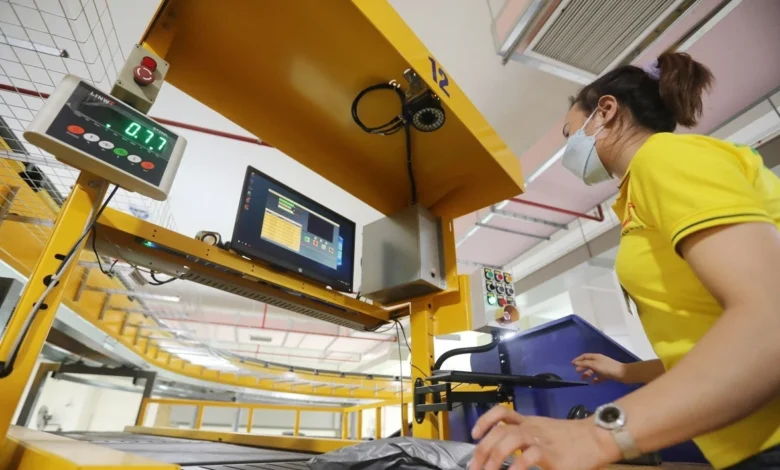
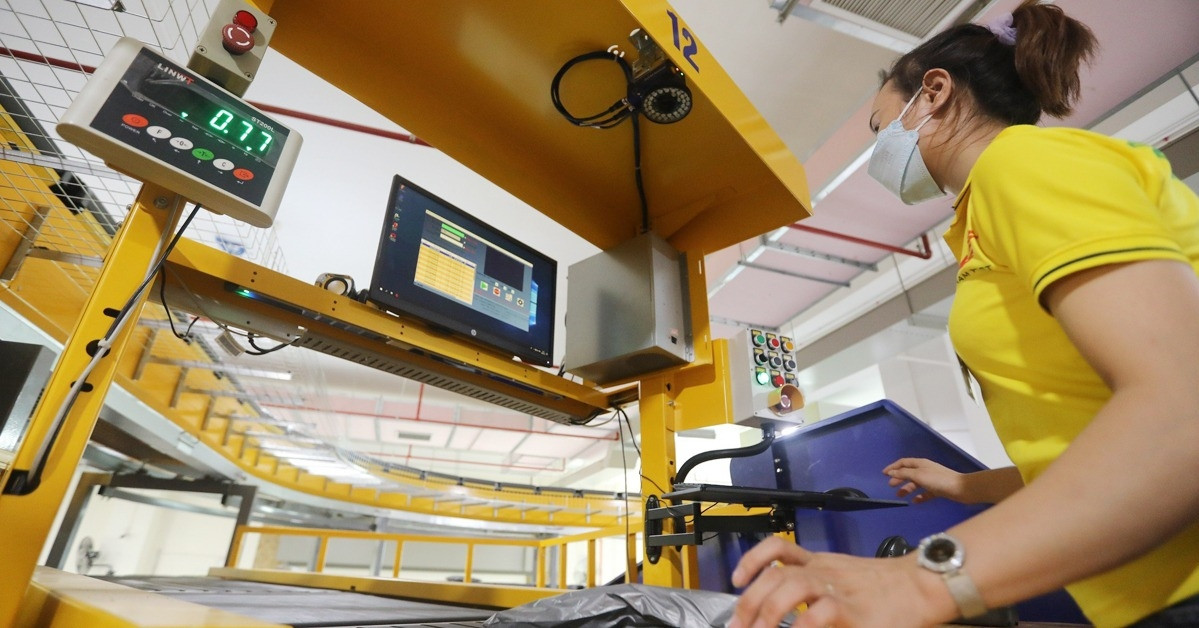
The plan mandates that postal enterprises must actively participate in the development and application of advanced technologies within the postal network. This includes adopting modern technologies such as artificial intelligence, automation, warehousing, sorting, and handling systems, as well as IoT devices, to optimize resource utilization and reduce operational costs.
The development objectives for the postal network up to 2025 include increasing its daily parcel handling capacity to 93,000, with inter-provincial delivery times (between major hubs) to be within 5 days, and intra-provincial delivery times to be within 2 days. Furthermore, the plan calls for the establishment of three regional postal centers with an average daily handling capacity of over 11,000 parcels, serving a radius of 350 km. Additionally, 14 zonal postal centers will be developed with an average daily handling capacity exceeding 4,500 parcels, serving a radius of 115 km.

H3: Fostering a Digital Ecosystem and "Make in Vietnam" Initiative
The development of telecommunications and information infrastructure is seen as a catalyst for creating new economic and social development spaces. The master plan for telecommunications and information infrastructure, extending to 2030 and looking ahead to 2050, sets high targets for the creation of infrastructure that supports digital transformation, thereby opening up new avenues for economic and social growth.
The plan underscores the critical role of the postal network in fostering a digital ecosystem. This includes promoting the "Make in Vietnam" initiative by supporting the development and application of Vietnamese technology in the postal sector. By encouraging domestic innovation and technological adoption, Vietnam aims to build a self-reliant and competitive digital economy.
H2: National Connectivity and Economic Competitiveness
The strategic development of telecommunications and information infrastructure is fundamental to Vietnam’s ambition to become a leading digital economy in the region. The master plan aims to create a robust and interconnected digital infrastructure that supports not only domestic growth but also enhances Vietnam’s competitiveness in the global market.
H3: Driving Digital Transformation
The national plan for telecommunications and information infrastructure development is designed to be a powerful engine for digital transformation across all sectors of the Vietnamese economy. By investing in advanced infrastructure, Vietnam seeks to empower businesses, government agencies, and citizens with the tools and connectivity needed to thrive in the digital age.
H3: Enhancing Logistics and Supply Chain Efficiency
A key focus of the plan is the modernization of the logistics sector. By integrating postal services with advanced logistics capabilities, Vietnam aims to reduce shipping costs, improve delivery times, and enhance the overall efficiency of its supply chains. This will not only benefit domestic businesses but also attract foreign investment and facilitate international trade.

H3: Creating New Opportunities
The development of a sophisticated telecommunications and information infrastructure is expected to unlock new economic opportunities. This includes fostering the growth of technology-based industries, promoting e-commerce, and creating a more dynamic and responsive business environment. The plan’s emphasis on innovation and technological adoption will be crucial in realizing these opportunities.
H3: Government Commitment and Future Outlook
The Vietnamese government has demonstrated a strong commitment to the successful implementation of this ambitious plan. The Ministry of Information and Communications is actively overseeing the development and execution of the strategy, working closely with relevant ministries, agencies, and private sector stakeholders. The ongoing collaboration between government entities and postal enterprises, such as Vietnam Post and Viettel Post, is essential for achieving the plan’s objectives.
The vision for Vietnam’s telecommunications and information infrastructure is one of a future where digital connectivity is ubiquitous, efficient, and affordable, driving sustainable economic growth and improving the quality of life for all citizens. The successful implementation of this master plan will be a critical determinant of Vietnam’s future prosperity and its position in the global digital landscape.
The comprehensive approach outlined in this master plan signifies a strategic commitment by the Vietnamese government to harness the power of digital technologies for national development. By modernizing its telecommunications and information infrastructure, Vietnam is positioning itself to be a key player in the global digital economy, driving innovation, fostering economic growth, and improving the lives of its citizens. The ongoing efforts to enhance the postal network’s capabilities for logistics and digital services represent a significant step towards achieving these overarching national goals.
Related posts: