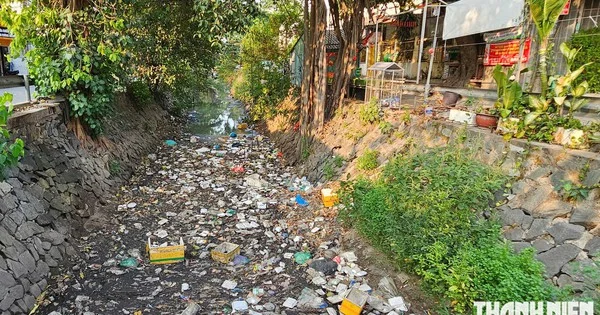
The persistent issue of waste accumulation in the 19 Thang 5 Canal, a critical waterway in Ho Chi Minh City, has become a focal point of concern for local authorities. The People’s Committee of Binh Hung Hoa Ward has publicly acknowledged the severity of the problem, attributing it to a confluence of factors including downstream waste accumulation and ongoing public non-compliance with waste disposal regulations. This statement comes amid a growing public outcry and the administration’s efforts to implement robust solutions to mitigate the environmental degradation impacting the canal.
Background Context: A Lingering Environmental Challenge
The 19 Thang 5 Canal, traversing through densely populated areas of Tan Thuy, Tan Son Nhi, and Binh Hung Hoa wards, has long been a recipient of urban runoff and, unfortunately, a significant repository for improperly disposed waste. Its location at the lower end of the watershed means it acts as a natural collection point for refuse originating from upstream communities and commercial activities. For years, residents and environmental advocates have highlighted the deteriorating state of the canal, citing not only aesthetic blight but also significant public health and ecological risks. The canal’s role as a vital part of the city’s drainage system further exacerbates the problem, as blockages caused by accumulated waste can lead to localized flooding, particularly during the rainy season.
Recent Developments and Official Acknowledgment
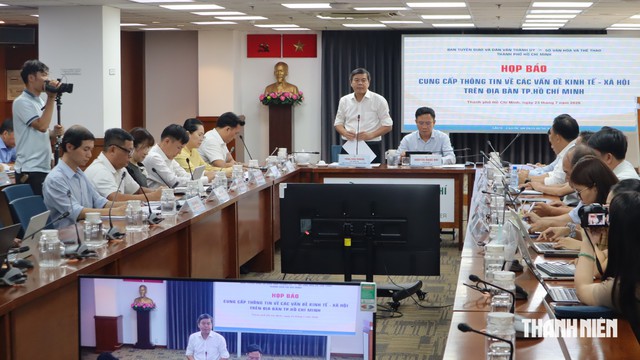
At a press conference held on July 23rd, organized by the Propaganda Department of the Party Committee and the Department of Culture and Sports of Ho Chi Minh City, the People’s Committee of Binh Hung Hoa Ward provided an update on the ongoing efforts to address the pollution crisis in the 19 Thang 5 Canal. Ms. Pham Thi Ngoc Dieu, Deputy Chairperson of the Binh Hung Hoa Ward People’s Committee, directly addressed the reasons behind the recurring waste issues. She explained that while the ward is situated at the downstream end, it bears the brunt of solid waste flowing from upstream areas, concentrating at the lower reaches of the canal.
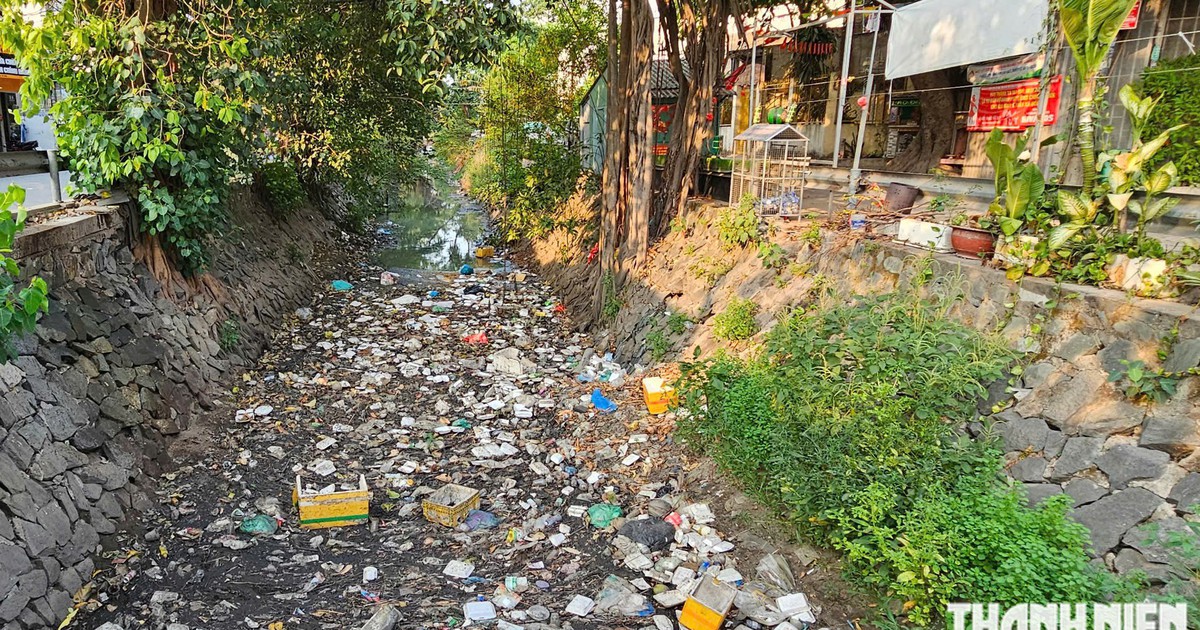
"The 19 Thang 5 Canal faces continuous waste dumping due to its geographical position at the end of the watershed," Ms. Dieu stated. "Waste from upstream areas naturally converges here, creating a persistent problem for our ward." She further elaborated that despite ongoing efforts, the challenge of effectively managing and preventing waste from entering the canal remains significant.
Timeline of Efforts and Proposed Solutions
The Binh Hung Hoa Ward People’s Committee has outlined a multi-pronged strategy to tackle the persistent pollution of the 19 Thang 5 Canal. This strategy encompasses immediate enforcement measures, infrastructure improvements, and community engagement initiatives.
-
Enhanced Patrols and Surveillance: The ward administration has intensified traffic patrols and surveillance along the canal, with a particular focus on the stretch within Binh Hung Hoa Ward, including the section along 26 Thang 3 Street. This increased presence aims to detect and penalize individuals and entities violating waste disposal regulations. The goal is to deter illegal dumping and ensure greater compliance with established waste management practices.
-
Infrastructure Development and Improvement: A key proposal involves the acceleration of the construction of traffic infrastructure along the canal. Currently, construction is underway on one side of the canal, primarily along 26 Thang 3 Street. However, the ward is advocating for the completion of infrastructure development on both sides of the canal to create a more comprehensive system for waste containment and management. Furthermore, there are calls for increased dredging of the canal and the establishment of designated waste collection points along its entire length, especially in the downstream areas within Binh Hung Hoa Ward, which are particularly susceptible to waste accumulation.
-
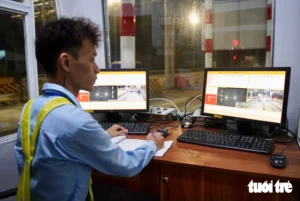
Installation of Surveillance Cameras: To bolster enforcement capabilities, the ward plans to install surveillance cameras at identified black spots along the canal where waste dumping is frequent. These cameras will be linked to the city’s centralized traffic management system, enabling real-time monitoring and swift identification and handling of waste disposal violations. This technological intervention is expected to significantly enhance the effectiveness of law enforcement efforts.
-
Community Engagement and Awareness Campaigns: Recognizing that enforcement alone is insufficient, the ward authorities are prioritizing public awareness campaigns. These campaigns aim to educate residents and businesses about the environmental and health consequences of improper waste disposal. The focus is on encouraging responsible behavior, such as proper waste segregation and timely handover of waste to designated collection services. The ward is urging households and businesses to adhere to regulations regarding waste segregation and to transfer their waste to authorized collection agencies.
-
Increased Patrols and Enforcement: In conjunction with these measures, local functional forces are being tasked with increasing patrols, detection, and handling of activities involving the dumping of waste into the canal and other public areas. This stepped-up enforcement is intended to create a stronger deterrent effect.
Addressing Upstream Contributions
Ms. Dieu acknowledged that the problem is not solely confined to the downstream ward. The 19 Thang 5 Canal’s pollution is a shared responsibility, with upstream activities contributing significantly. While Binh Hung Hoa Ward is actively implementing measures within its jurisdiction, there is an implicit understanding that coordinated efforts across all affected wards are crucial for a comprehensive resolution. The ward has conducted checks on households and production facilities that could potentially contribute to environmental pollution, emphasizing the need for compliance with regulations.
Industrial Waste Concerns
A critical aspect of the investigation has been the assessment of potential industrial pollution. The Binh Hung Hoa Ward People’s Committee has reported that while they have inspected households and business establishments within their area, they have not yet identified any commercial businesses or factories discharging untreated industrial waste into the 19 Thang 5 Canal. This finding suggests that the primary source of the pollution, at least within the investigated areas, is likely domestic and commercial solid waste. However, the ward authorities, in collaboration with the police and the environmental police force, are committed to intensifying inspections of industrial production facilities to ensure no hazardous waste is being illegally discharged. They are also requesting cooperation with contracts for waste collection to ensure adherence to regulations.

Broader Implications and Future Outlook
The persistent pollution of the 19 Thang 5 Canal has significant implications beyond mere environmental aesthetics. It poses a direct threat to public health, as stagnant, polluted water can become breeding grounds for disease vectors. Furthermore, the canal’s degradation impacts the overall urban landscape and can deter investment and tourism.
The comprehensive approach being adopted by the Binh Hung Hoa Ward People’s Committee, which combines infrastructure development, technological solutions, and community engagement, represents a promising step towards addressing this long-standing issue. However, the success of these initiatives will depend on sustained commitment from all stakeholders, including residents, businesses, and neighboring administrative bodies.
The commitment to installing surveillance cameras and enhancing patrol efforts signifies a proactive stance by the authorities. The focus on public awareness campaigns is equally vital, as lasting change requires a shift in public behavior and a greater sense of environmental stewardship.
The Binh Hung Hoa Ward administration has also indicated that they are exploring opportunities to collaborate with relevant departments, such as the Center for Traffic Management and Engineering of Ho Chi Minh City (under the Department of Construction), to accelerate the completion of infrastructure projects. The aim is to develop the canal’s banks on both sides, transforming it into a more manageable and aesthetically pleasing urban feature.
As Ho Chi Minh City continues its rapid urban development, the challenge of managing waste and protecting its waterways remains paramount. The situation with the 19 Thang 5 Canal serves as a microcosm of these broader challenges, and the actions taken by Binh Hung Hoa Ward will be a key indicator of the city’s commitment to environmental sustainability and the well-being of its citizens. The ongoing efforts to clean up and maintain the 19 Thang 5 Canal are not just about clearing debris; they are about restoring a vital urban ecosystem and fostering a more responsible and environmentally conscious urban environment for the future. The long-term effectiveness of these measures will hinge on continuous monitoring, adaptive strategies, and a collective commitment to preserving the city’s natural resources.