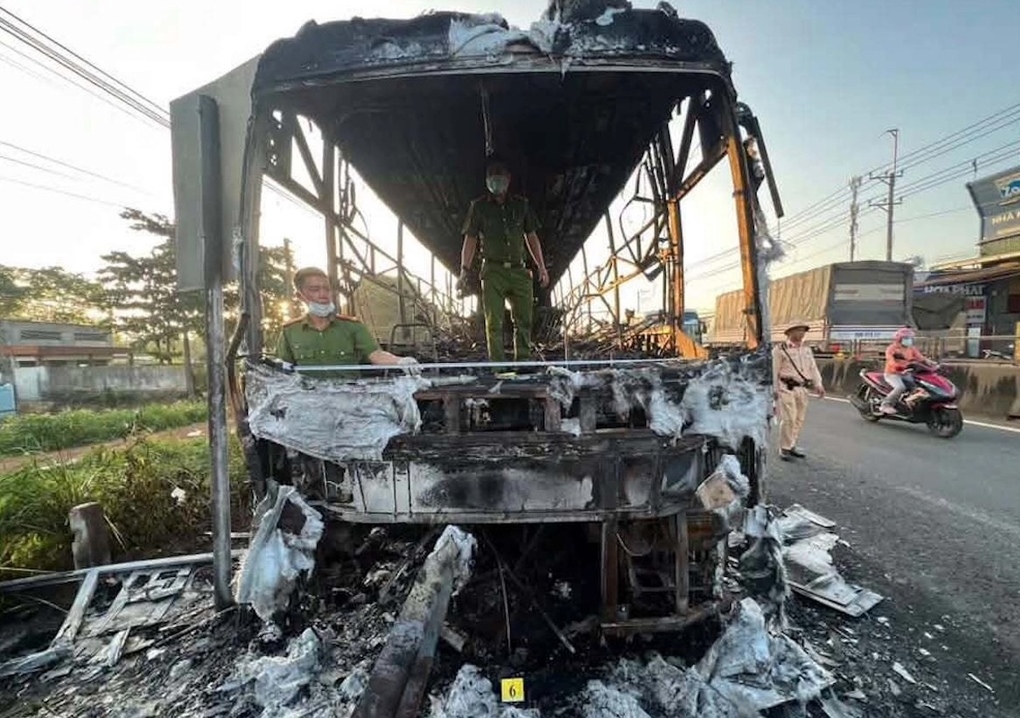
A recent tragic accident involving a sleeper bus, which resulted in seven fatalities and multiple injuries in Dong Nai province on July 21st, has ignited a renewed debate surrounding the safety of this popular mode of inter-city transportation in Vietnam. The incident, which saw a 24-seat sleeper bus carrying 37 passengers engulfed in flames, has exposed critical design flaws and regulatory gaps that experts and officials warn could lead to further preventable tragedies.
The implicated vehicle, a 24-seat sleeper bus, was found to be significantly overloaded at the time of the incident, carrying 37 individuals, far exceeding its registered capacity. This violation alone points to a systemic issue of operational negligence, potentially driven by economic pressures to maximize passenger numbers on lucrative routes. Sleeper buses, known for their affordability and comfort for long-distance travel, have become a dominant force in Vietnam’s transportation landscape, with over 44,000 such vehicles, ranging from 24 to over 40 seats, registered and operating for passenger transport as of July 22nd. These vehicles typically serve routes of 300-400 kilometers, with fares ranging from VND 400,000 to VND 500,000, making them an attractive option for many travelers.
Design Flaws and Evacuation Challenges
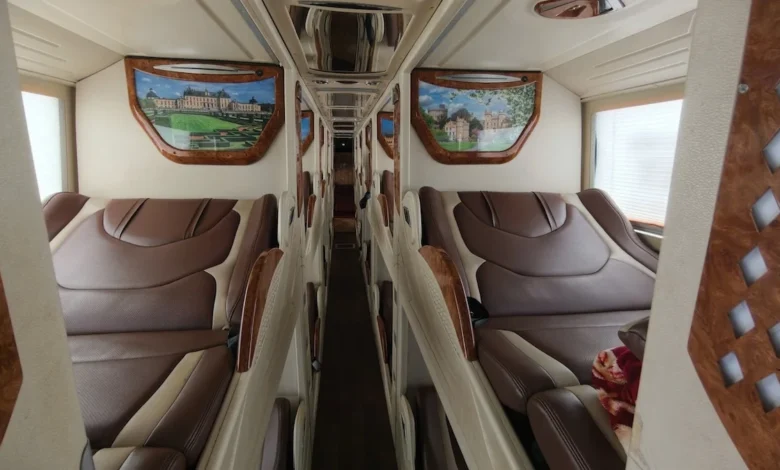
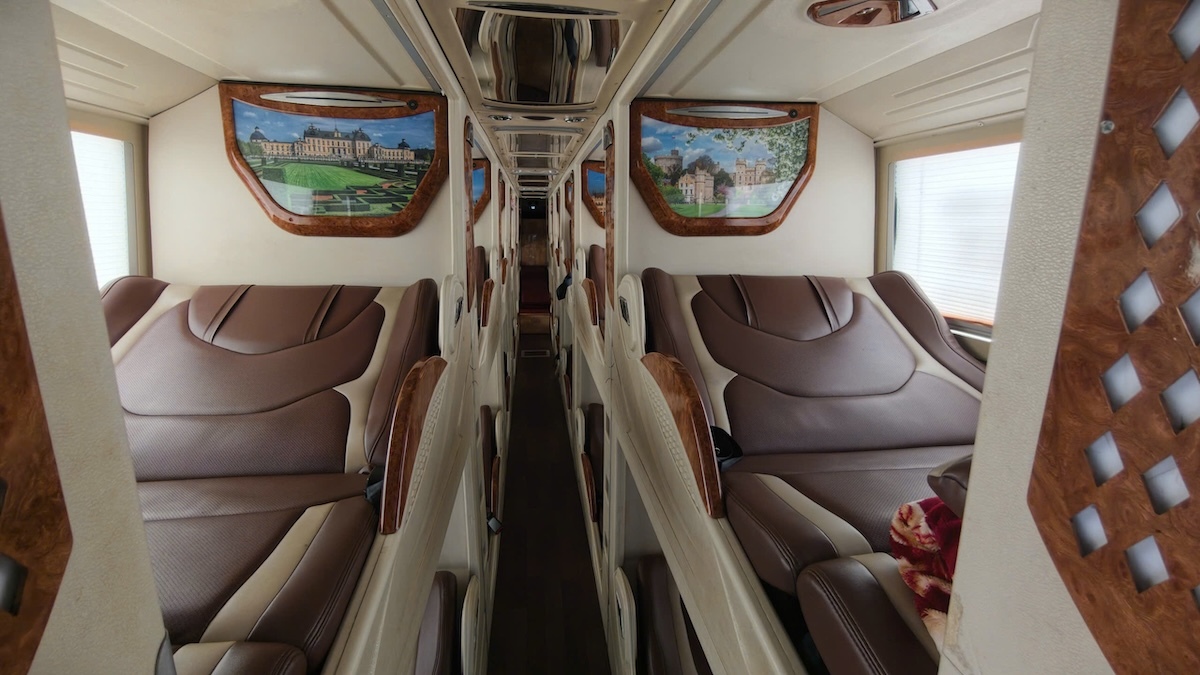
At the heart of the safety concerns lies the inherent design of many sleeper buses. Unlike conventional buses with multiple accessible exits, sleeper buses, particularly those configured with 24 seats, often feature a single, wide aisle. This design, while maximizing passenger capacity and offering a sense of spaciousness, creates a severe bottleneck during emergencies. Passengers, especially those in lower berths or further from the single exit, face immense difficulty navigating the narrow space, often crowded with luggage, to reach an escape route.
Mr. Nguyen Van Thong, a 37-year-old survivor of the Dong Nai blaze, recounted the harrowing experience of trying to escape the inferno. He described the chaotic scene as passengers scrambled for the sole aisle, their efforts hampered by the confined space and rising smoke. "I tried to push open my bunk’s exit, but there was no one to help me," he stated, his voice still trembling. "I hit the glass window with my head, and my hands were burned, but I couldn’t break through. I had to push through." His desperate attempt to find an exit highlights the critical issue of escape route accessibility. He eventually managed to escape through the front of the vehicle, sustaining burns to his legs in the process.
The design of the sleeper berths themselves, often constructed with plastic frames, mica, and cushioned surfaces covered in synthetic leather, contributes to the fire hazard. These materials are highly flammable and can quickly intensify a blaze, as tragically demonstrated in the Dong Nai incident, where the entire sleeper section was reduced to a charred skeleton. Experts note that these materials, while creating a comfortable environment, offer little resistance to fire and can act as fuel, accelerating the spread of flames and smoke.
Regulatory Oversight and Enforcement Gaps
The current regulations governing vehicle inspections in Vietnam, while requiring vehicles to meet technical standards, appear to have shortcomings when it comes to the specific safety features of sleeper buses, particularly regarding emergency exits. ThS. Le Ngoc Chung, Head of the Mechanical Engineering Department at Sai Gon Polytechnic College, explained that sleeper buses are designed with private compartments, business class, or VIP sections, offering amenities and lower fares compared to air travel, which appeals to a broad segment of the population. However, he pointed out that the focus on passenger comfort and capacity has, in some instances, overshadowed critical safety considerations.
The lack of readily accessible and clearly marked emergency exits is a recurring concern. While regulations mandate vehicles to be equipped with safety equipment, the effectiveness of these measures in real-world emergency scenarios is often questionable. Many vehicles, it is reported, are either deficient in this equipment or have it installed in ways that are not practical during a crisis. Some buses are equipped with hammers for breaking windows, but these are often placed in inconvenient locations, making them difficult to access and use effectively during panic.
Mr. Nguyen An, from the Road Police Department of Vietnam, emphasized that there is no specific designation for "business class" or "sleeper" compartments; they are simply intended for passengers. He highlighted that the accident-involved bus, designed for 24 passengers, was operating with 37 individuals, a clear violation of regulations. He further stated that current inspection regulations do not explicitly require emergency exits for sleeper compartments beyond the general vehicle requirements. This oversight means that vehicles might pass inspections without adequate provisions for rapid evacuation from these specific seating areas.
Expert Analysis and Recommendations
Experts are calling for a comprehensive review and revision of vehicle safety standards, particularly for sleeper buses. ThS. Le Ngoc Chung suggests that regulations need to be strengthened to include mandatory, easily accessible emergency exits in all passenger compartments, regardless of their configuration. He argues that in the event of a fire or collision, the single aisle in many sleeper buses presents a significant impediment to passenger escape, leading to prolonged evacuation times and increased risk. He also points out that while the aisle itself is wide, the presence of luggage and the layout of the berths can obstruct movement during a crisis.
The issue of vehicle modification is also a concern. While many sleeper buses are initially manufactured to meet safety standards, some operators may alter the interiors to accommodate more passengers, compromising the original safety design. This practice, coupled with potential lax enforcement, exacerbates the risks.
Calls for Enhanced Safety Measures and Enforcement
The Road Police Department of Vietnam has acknowledged the need for stricter regulations. Mr. An stated that regulations should be amended to mandate the presence of emergency exits that are easily accessible and not obstructed. He stressed that during vehicle inspections, authorities should verify the functionality and accessibility of these exits, not just their presence. He also proposed that the requirement for fire extinguishers should be reinforced, and these should be strategically placed for easy access by passengers in case of a fire.
Furthermore, Mr. An suggested that vehicles should be equipped with emergency escape systems, such as electronic stability control (ESC), for sleeper buses to mitigate the risk of rollovers, which can lead to severe accidents. He believes that these safety features should be mandatory before vehicles are allowed to operate commercially.
Public Education and Emergency Preparedness
Beyond regulatory changes, public education on emergency procedures is crucial. Mr. An advocates for mandatory safety briefings for passengers before each journey, informing them about the location of emergency exits and how to use them in case of an emergency. He emphasized that passengers should be instructed on how to remain calm and how to properly use the available safety equipment, such as hammers for breaking windows, in a controlled manner.
The Fire Prevention and Rescue Police of Ho Chi Minh City offered specific advice for passengers in the event of a fire on a bus. They advise passengers to remain calm, use wet cloths or clothing to cover their mouths and noses to filter smoke, and to try to reach an exit by crawling if necessary. They also suggest using water bottles or other available items to break windows to create an escape route.
For external responders, the recommendation is to use any available object to break the corner of the windows to create an escape route for passengers. Simultaneously, they advise calling emergency services immediately (114 in Vietnam) and, if a fire is present, to direct water towards the engine compartment or the rear of the vehicle to slow the spread of flames.
The recent tragic incident serves as a stark reminder of the critical need for immediate and decisive action to enhance the safety of sleeper buses in Vietnam. Addressing the inherent design flaws, strengthening regulatory oversight, improving enforcement, and educating the public are paramount to preventing future loss of life and ensuring the safety of passengers who rely on this vital transportation network. The focus must shift from maximizing passenger capacity to prioritizing passenger safety, ensuring that every journey is as secure as it is affordable.