Rung Sac intersection project worth nearly 3,000 billion VND sees first construction units deployed as major infrastructure push begins.

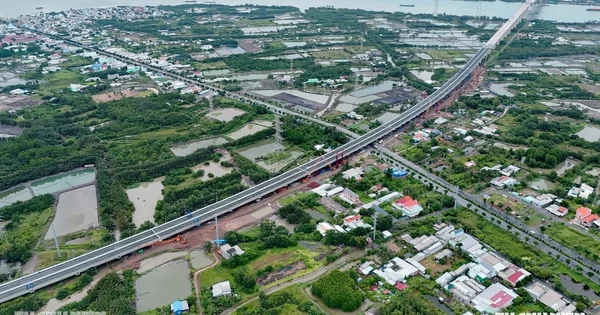
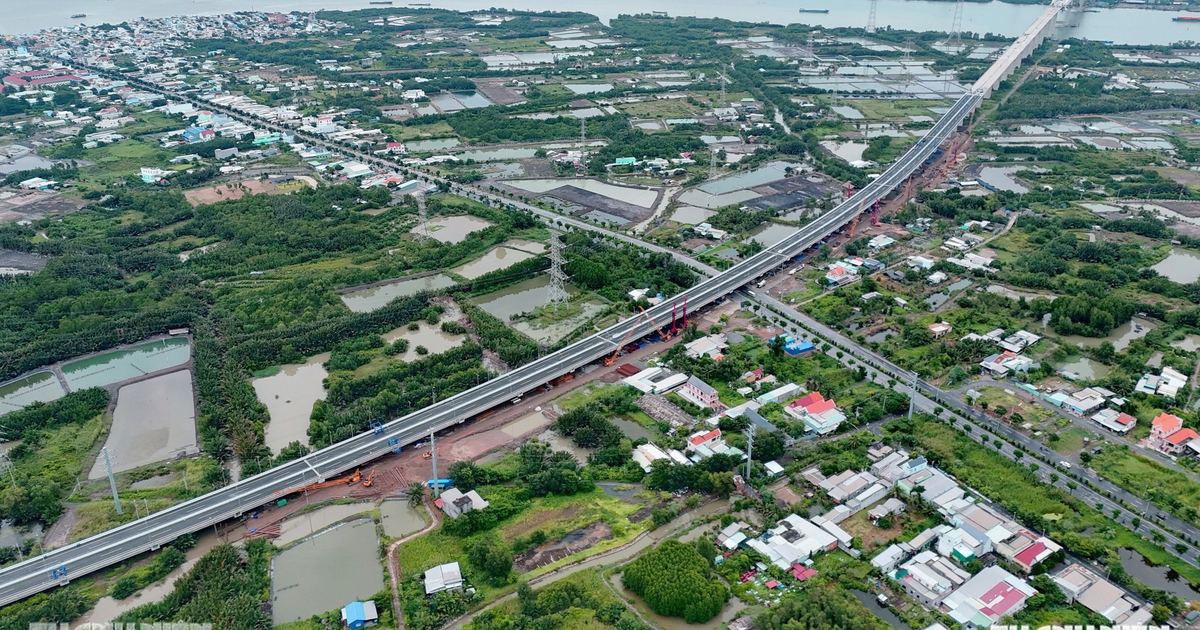
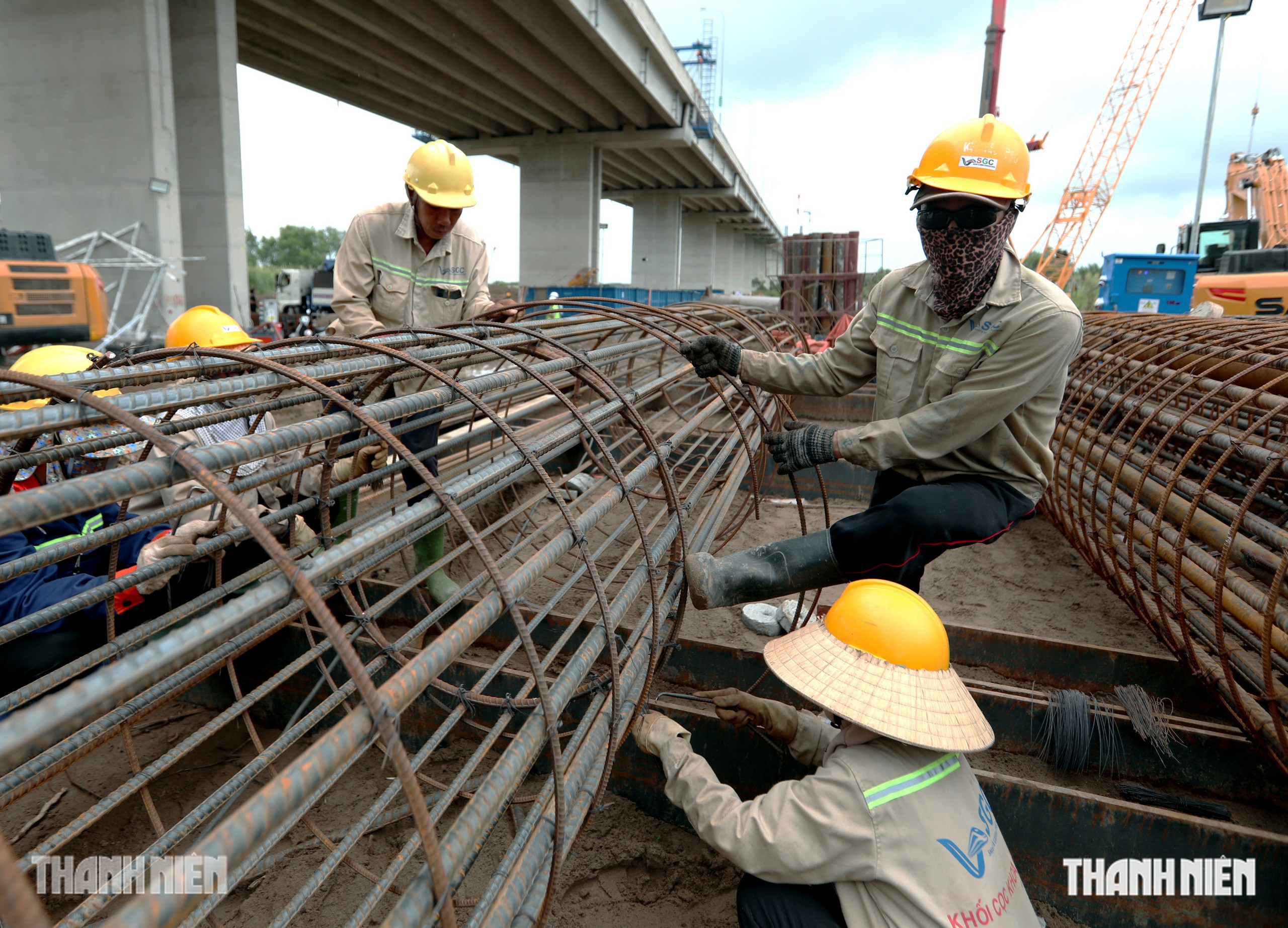
As of September 2026, the construction site at the intersection of the Ben Luc – Long Thanh expressway and Rung Sac Road in Binh Khanh Commune, Ho Chi Minh City, has transitioned into a hive of high-intensity activity. The project, a critical component of the regional transport network, is currently in a state of rapid mobilization, with heavy machinery, earthmoving equipment, and hundreds of laborers working in concert to meet the ambitious completion deadline of 2028.
Strategic Importance of the Infrastructure Hub
The Rung Sac intersection is not merely a local road upgrade; it is a vital artery designed to bridge the gap between the economic centers of Ho Chi Minh City and the burgeoning Can Gio district. For years, Can Gio has faced logistical constraints due to its reliance on a singular, aging ferry route—the Binh Khanh ferry—which has long struggled to keep pace with the growing demands of industrial, tourism, and residential development.
The current project, with an investment capital of approximately 2,970 billion VND, is being executed as a multi-level interchange. This design is intended to facilitate seamless, high-speed connectivity between the Ben Luc – Long Thanh expressway and the primary arterial road leading into the heart of Can Gio. By creating a direct link, the government aims to catalyze the development of the Can Gio eco-tourism region and provide the necessary infrastructure for the district to transition into a more integrated part of the metropolitan economy.

Construction Progress and Technical Scope
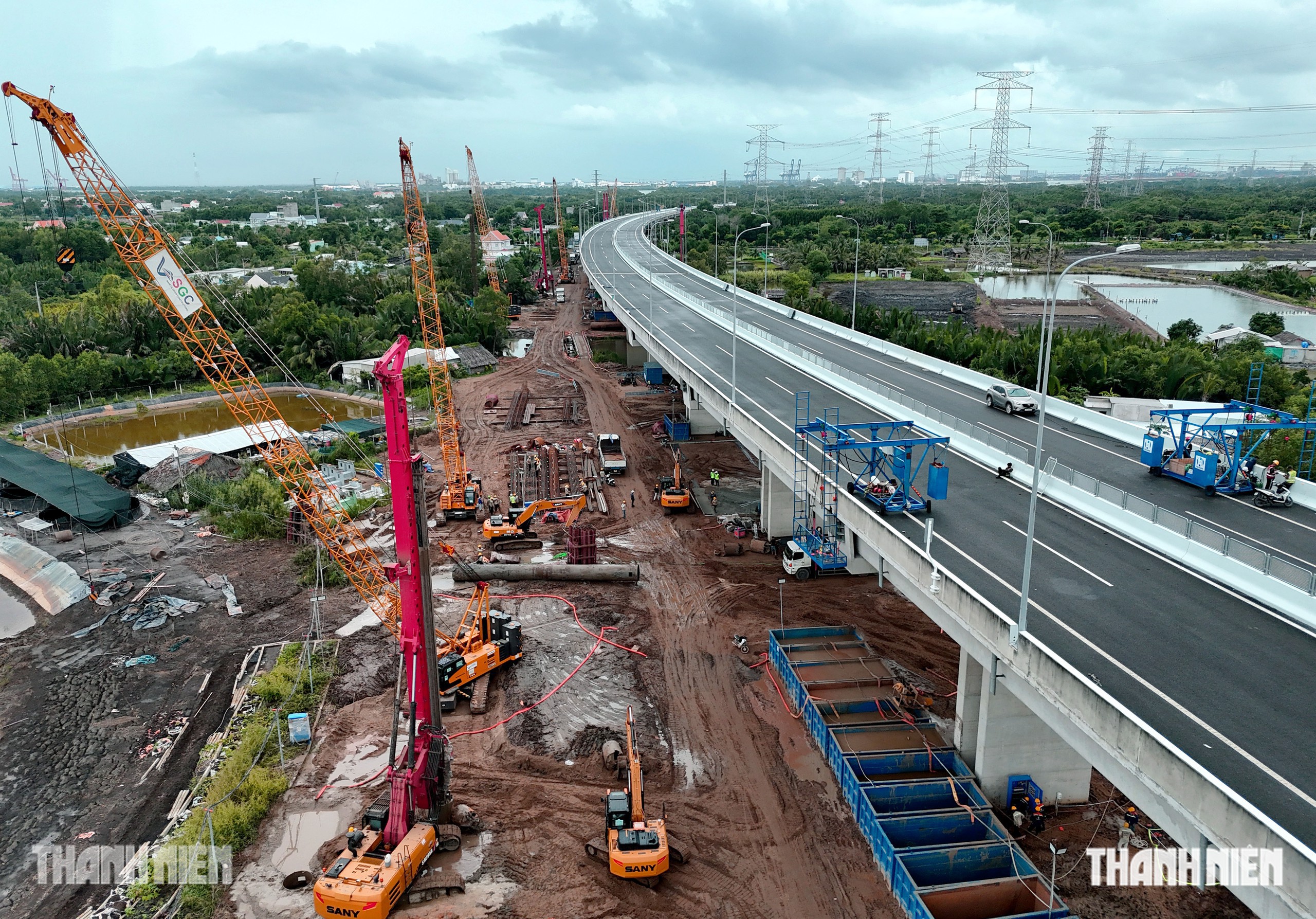
Since the official commencement of work on July 1, 2026, the project has entered a phase of intensive foundation work and site preparation. Recent site visits reveal that the landscape is being fundamentally altered. Heavy excavators and dump trucks are operating continuously to manage soil stabilization—a critical task given the soft, marshy terrain characteristic of the Binh Khanh area.
The scope of the project is expansive. It includes the construction of several high-capacity elements, such as bridges on the right side of the expressway, various flyover ramps for direct connectivity to Rung Sac Road, a large-scale roundabout to manage traffic flow, and an underground tunnel spanning approximately 760 meters along the Rung Sac alignment. These elements are being built in parallel with site clearance activities, creating a complex logistical challenge for the contractors involved.
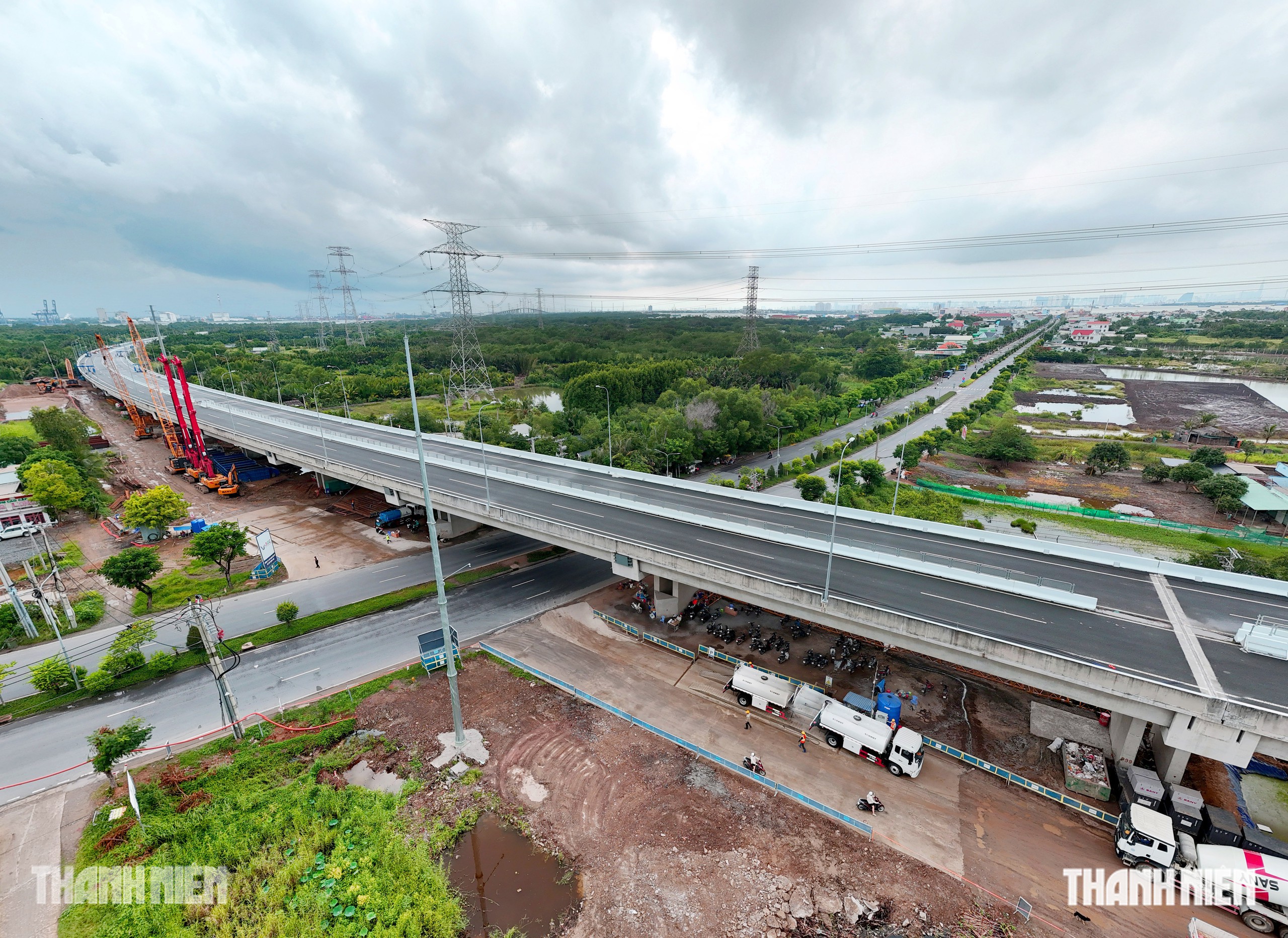
Engineers on-site have noted that the "soft soil" treatment is a priority. Given the proximity to the coast and the nature of the terrain, deep-foundation work is required to ensure the long-term structural integrity of the flyovers and the tunnel. Temporary access roads have been carved out to allow for the heavy equipment necessary to drive piles and transport the massive volumes of earth required for the elevated segments of the interchange.
Chronology and Project Lifecycle
The road to this project has been a lengthy one. The necessity for an improved connection to Can Gio has been discussed in urban planning circles for over a decade. The formal approval and subsequent funding allocation for the intersection marked a significant milestone in 2025, setting the stage for the current 2025–2028 development window.
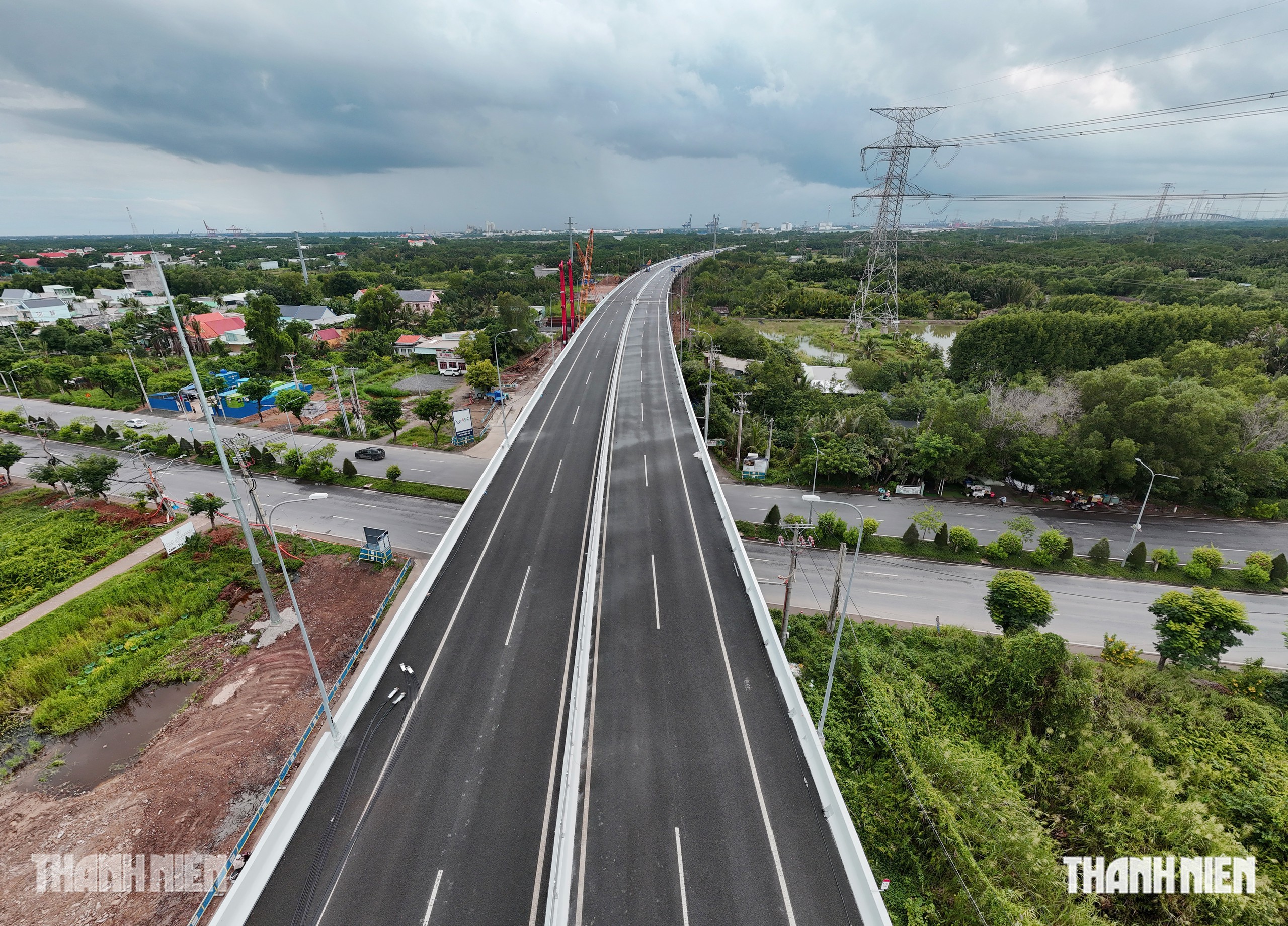
- Pre-2025: Planning phase, feasibility studies, and environmental impact assessments for the integration of the expressway with Rung Sac road.
- Early 2026: Finalization of land acquisition plans and selection of lead contractors.
- July 1, 2026: Official commencement of construction activities.
- September 2026: Full-scale mobilization, with multiple construction zones active simultaneously.
- 2026-2027: Primary structural work, including the 760m tunnel and bridge pillars.
- 2028: Anticipated completion and commissioning of the full interchange.
Community Engagement and Land Acquisition
Beyond the physical construction, the project necessitates a significant socio-economic adjustment for the local population. On September 4, 2026, the People’s Committee of Binh Khanh Commune held a formal consultative meeting with local residents. The objective was to gather feedback and address concerns regarding the compensation, support, and resettlement plans for those whose property is affected by the project.
Transparency remains a focal point for the local administration. Many households in the vicinity have been impacted by the land acquisition process, and the government has pledged to ensure that compensation packages align with current market valuations to minimize the burden on those displaced. The consultative process is viewed as a necessary step to ensure that the project not only serves the city’s broader infrastructure goals but also remains socially responsible.
Broader Economic and Urban Implications
The completion of this intersection is expected to have a multiplier effect on the local economy. Currently, the reliance on the Binh Khanh ferry is a major bottleneck. During peak hours and holidays, traffic congestion at the ferry terminal can stretch for kilometers, stalling logistics and tourism. The new interchange will provide an alternative, high-capacity route that will effectively "open" the gates to Can Gio.
Urban planners suggest that this development will accelerate the urbanization of the southern part of the city. With improved connectivity, developers are expected to increase their interest in Can Gio, leading to a rise in residential and commercial projects. Furthermore, for the tourism sector, the ability to bypass the ferry queue means that tourists can reach the Can Gio Biosphere Reserve significantly faster, potentially doubling the visitor capacity of the region during peak seasons.
From a logistics perspective, the interchange acts as a "gateway" for heavy cargo. As the city continues to expand its maritime and logistics footprint, the ability to move goods efficiently between the expressway network and the coastal regions becomes paramount. The Rung Sac intersection essentially links the global supply chain, via the expressway, directly to the local coastal economy.
Challenges and Future Outlook
While the project is moving forward at an impressive pace, it is not without its challenges. The primary concern remains the geotechnical difficulty of building on the deltaic soil of Binh Khanh. Maintaining the 2028 deadline will require consistent, high-quality performance from the contractors and steady, uninterrupted funding flows.
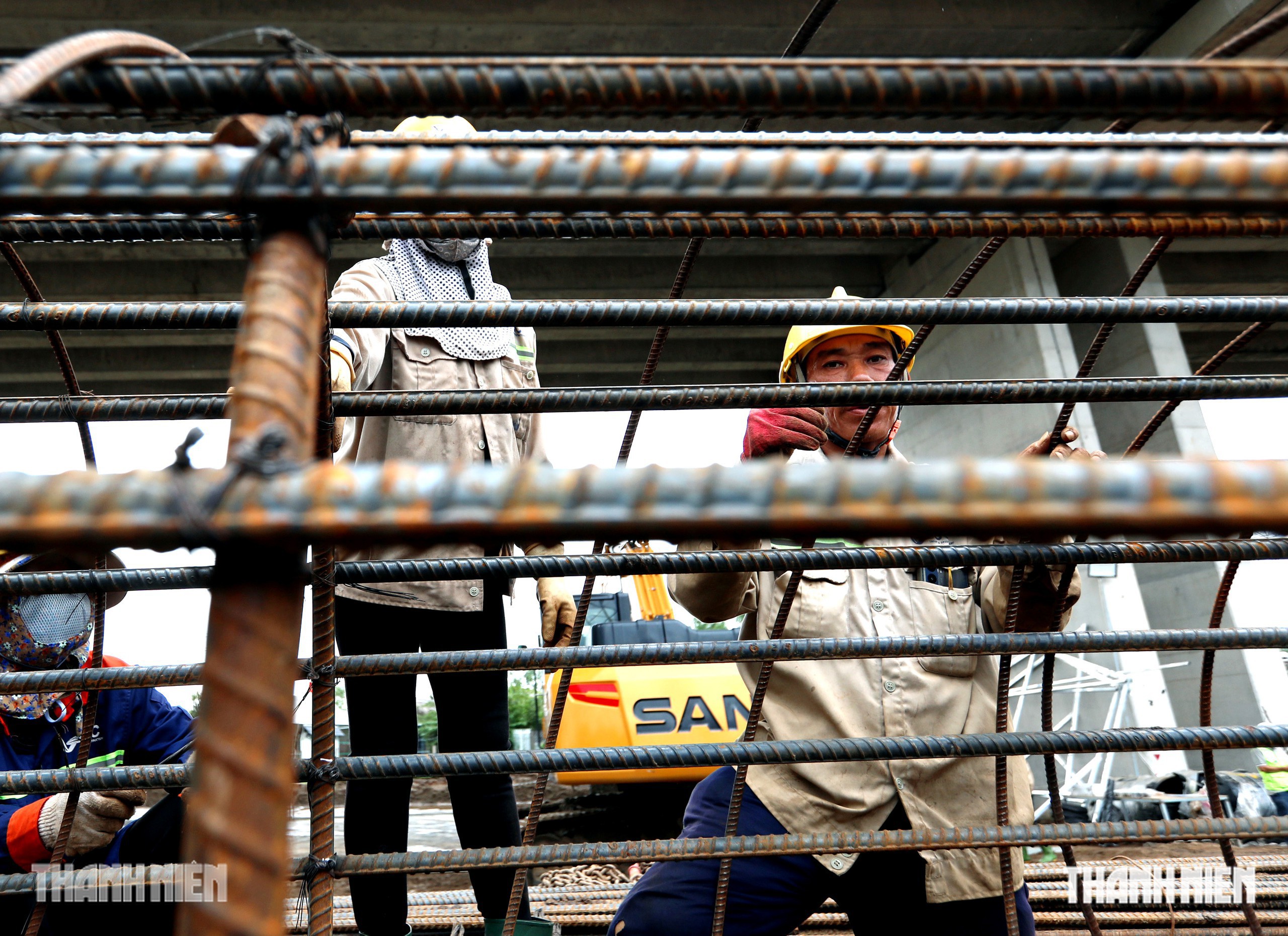
Additionally, managing the intersection of construction traffic with the daily lives of local residents remains a delicate balancing act. Dust control, noise pollution, and the management of heavy vehicle traffic on existing roads are being monitored by local authorities to ensure that the construction process does not degrade the quality of life in Binh Khanh during the three-year build period.
In summary, the Rung Sac intersection represents a pivotal moment in the infrastructure evolution of Ho Chi Minh City. By integrating the Ben Luc – Long Thanh expressway with the coastal districts, the city is not just building a road; it is building a bridge to future economic growth. As 2026 draws to a close, the visible progress on the ground serves as a testament to the city’s commitment to resolving long-standing logistical barriers and setting the stage for a more connected and prosperous region. Stakeholders and residents alike remain optimistic that, once completed, this 3,000 billion VND investment will serve as a foundational piece of the regional puzzle for decades to come.