The Economics of Smartphone Upgrades: Why Waiting Two Years Makes Financial Sense for Flagship Users

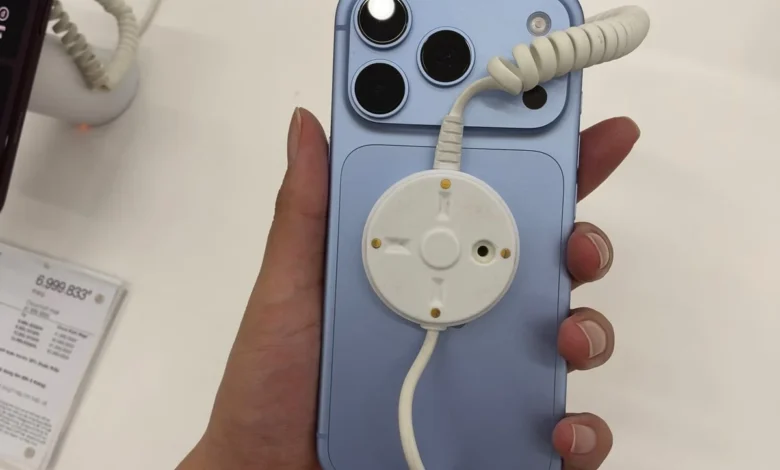
The rapid evolution of the consumer electronics market has established an annual release cycle for flagship smartphones, creating a continuous dilemma for tech enthusiasts and everyday users alike. While manufacturers like Apple introduce new iterations of their flagship devices every twelve months, consumer behavior regarding upgrade frequency varies significantly. A recent discussion within technology enthusiast communities has reignited a pragmatic debate surrounding the true cost of smartphone ownership, specifically focusing on whether an annual upgrade cycle is economically justifiable compared to a biennial replacement strategy.

The discourse centers on the financial depreciation of high-end devices, the psychological impact of incremental technological advancements, and the shifting trends in consumer electronics longevity. As global smartphone penetration reaches maturity and innovation cycles become more iterative than revolutionary, financial analysts and tech commentators are increasingly scrutinizing the traditional upgrade patterns of early adopters.

The Financial Mechanics of Biennial Smartphone Upgrades
At the heart of the debate is a detailed breakdown of the cost of ownership for premium devices, such as Apple’s Pro Max line. Purchasing a flagship smartphone upon its initial release typically involves a substantial upfront investment, often exceeding $1,000 depending on storage configurations and regional taxes. However, analyzing the residual value of these devices over time reveals a predictable depreciation curve that heavily favors longer retention periods.

Taking a standard two-year usage model for a high-tier iPhone Pro Max purchased at an initial cost of approximately $1,200 (or 41 million VND in regional currency markets), financial calculations demonstrate a distinct pattern of asset devaluation. After utilizing the device intensively for 24 months, the secondary market resale value generally stabilizes around $500 to $550 (roughly 17 to 18 million VND). This translates to a total depreciation of approximately $650 to $700 over the two-year span.

When amortized across the entire duration of use, the monthly depreciation cost amounts to roughly $25 to $30 per month. For active users who rely on their smartphones as primary tools for communication, productivity, entertainment, and professional media creation, this monthly cost represents a quantifiable expenditure for an essential utility. Compared to an annual upgrade cycle—where depreciation is steepest during the first twelve months of ownership—holding a device for two years significantly reduces the annualized cost of technology depreciation per month of active service.

Furthermore, economic assessments of consumer technology indicate that structural improvements in build quality, such as ceramic shield displays, titanium frames, and advanced battery chemistries, have enhanced the physical durability of modern flagships. This durability ensures that devices retain functional and aesthetic integrity well beyond the standard one-year mark, making a two-year retention window both practical and economically efficient.

Psychological Diminishing Returns on Annual Hardware Revisions
Beyond the balance sheet, consumer psychologists and technology reviewers point to the experiential aspect of smartphone usage. Modern smartphone development has transitioned from the era of disruptive breakthroughs to a phase of refinement. Consequently, the performance delta between consecutive generations—such as moving from one iteration to its immediate successor—is often marginal.

Users who upgrade annually frequently report a sense of diminishing returns, noting that incremental updates in processing power, camera capabilities, or display brightness do not fundamentally alter the day-to-day user experience. Conversely, maintaining a device for a 24-month period allows the accumulation of tangible technological advancements. The performance gap between a two-year-old device and a newly released flagship is wide enough to provide a noticeably enhanced user experience, justifying the transition both functionally and psychologically.

In addition to hardware performance, aesthetic longevity plays a crucial role in user satisfaction. Industry observers note that consumer preferences often gravitate toward timeless neutral finishes—such as silver, space gray, or classic white—rather than trendy, limited-edition promotional colors. While vibrant hues may capture initial market attention, their long-term appeal tends to wane, occasionally leading to buyer fatigue. Neutral colorways maintain their visual appeal over extended periods, reducing the psychological impulse to replace a device prematurely simply due to shifting aesthetic trends.

Market Reactions and Diverse Consumer Perspectives
The debate surrounding upgrade economics has elicited varied responses from the broader technology community. While some consumers advocate for strict financial optimization, others emphasize alternative philosophies regarding device longevity.

A segment of the consumer base adopts an ultra-long-term ownership model, retaining flagship devices for four to five years or until hardware failure or software obsolescence makes replacement unavoidable. Proponents of this strategy argue that modern processors and software support lifecycles—often extending up to five to seven years of security updates—render annual or biennial upgrades entirely unnecessary from a utilitarian standpoint. For these users, the cumulative depreciation savings are maximized, viewing smartphones as durable goods akin to household appliances rather than fast-moving consumer electronics.

Conversely, niche participants within tech forums highlight the role of secondary markets and trade-in programs in mitigating the financial burden of frequent upgrades. By leveraging carrier trade-in deals, promotional financing, and structured buyback schemes, tech enthusiasts can offset a significant portion of the upfront cost, effectively subsidizing their preference for newer hardware.

However, critics of frequent upgrades caution against the environmental and economic externalities of rapid electronic turnover. The continuous production and disposal of high-end consumer electronics contribute to global electronic waste streams and demand intensive raw material extraction. Consequently, sustainable technology advocates increasingly promote extended device lifecycles as a crucial component of corporate and consumer environmental responsibility.

Broader Implications for the Smartphone Industry
The shifting attitudes toward upgrade cycles carry significant implications for smartphone manufacturers, particularly in mature markets where shipment growth has plateaued. As consumers increasingly recognize the diminishing returns of annual upgrades and the financial benefits of retaining devices for longer periods, original equipment manufacturers (OEMs) face mounting pressure to innovate in areas that compel replacement.

To counteract lengthening replacement cycles, manufacturers are increasingly emphasizing long-term value propositions, including extended software support windows, enhanced repairability programs, and advanced artificial intelligence integrations that require specialized hardware architectures. By embedding future-proof capabilities into current-generation flagships, brands hope to maintain consumer interest even as retention periods stretch from 12 months toward 24 to 36 months.

Ultimately, the decision to upgrade a smartphone remains a balance between personal financial capacity, functional requirements, and individual preference for cutting-edge technology. While annual upgrades cater to early adopters and those prioritizing the latest technological novelties, the analytical consensus increasingly positions the biennial upgrade cycle as a rational middle ground—offering a balanced compromise between modern performance and financial prudence.