Owning and maintaining a high-performance luxury vehicle: The reality of Porsche ownership beyond the showroom floor

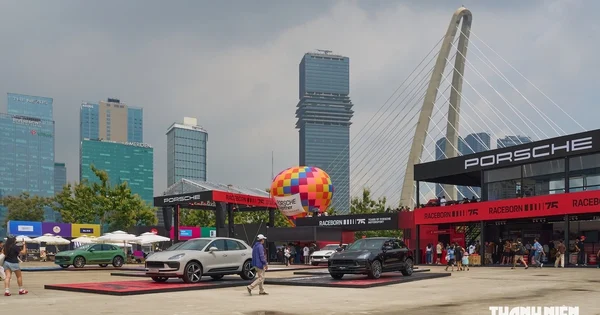
Owning a high-end sports car like a Porsche is often perceived as a daunting commitment, characterized by complex maintenance schedules, exorbitant repair costs, and a constant need for specialized technical oversight. For the average enthusiast, the allure of the German engineering masterpiece is often tempered by the fear of what happens once the car leaves the dealership’s climate-controlled showroom. However, the reality of Porsche ownership in markets like Vietnam and globally is far more structured and manageable than popular automotive folklore suggests. While the brand carries an aura of exclusivity, the operational lifecycle of these vehicles is governed by rigorous engineering standards, transparent service intervals, and a sophisticated ecosystem designed to support long-term reliability.
The Foundation of Maintenance: A Structured Approach
At the core of the Porsche ownership experience is a disciplined approach to maintenance. Unlike mass-market vehicles, where service intervals can be somewhat flexible, a Porsche requires adherence to a precise schedule that accounts for its high-performance capabilities. In Vietnam, for instance, the maintenance cycle for internal combustion engine models typically begins after the first 10,000 to 15,000 kilometers.
These intervals are not arbitrary; they are dictated by the vehicle’s onboard diagnostic systems and the specific demands of the local environment. Factors such as road conditions, ambient humidity, and individual driving habits—ranging from casual city commuting to spirited track driving—heavily influence the wear rate of critical components. A "minor" service might involve standard fluid changes and multi-point inspections, whereas a "major" service, often occurring around the 60,000-kilometer mark, entails a comprehensive deep-dive into the powertrain, transmission, and braking systems.
Dispelling the Myth of Complexity
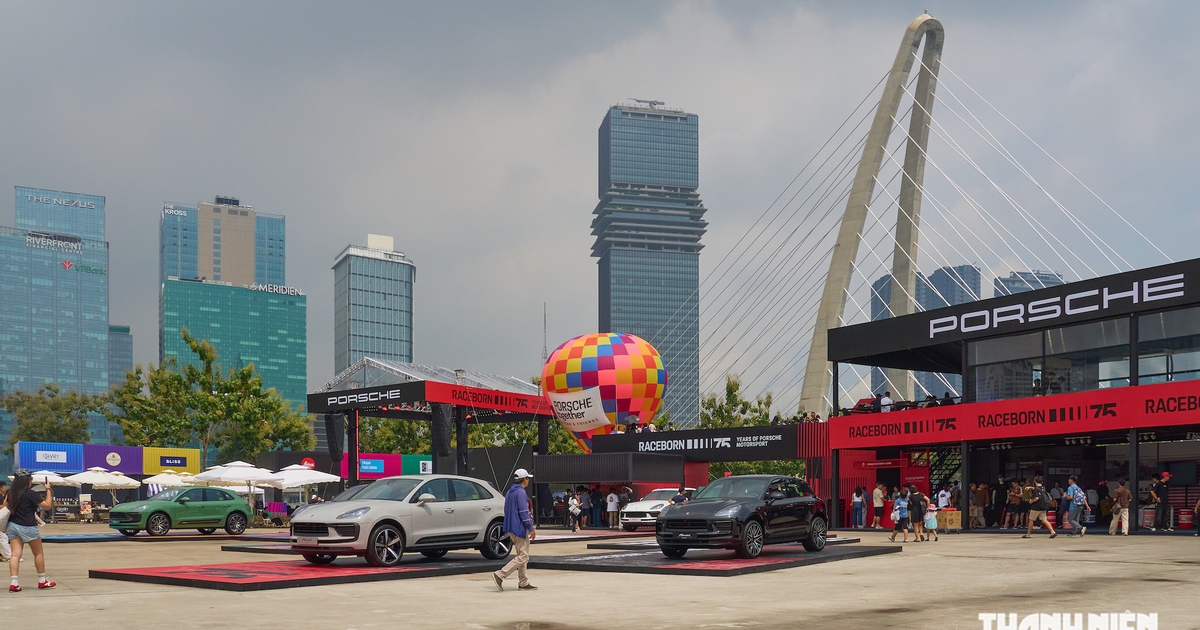
A common misconception among prospective owners is that Porsche vehicles are perpetually plagued by technical issues requiring constant professional intervention. In reality, modern Porsche engineering prioritizes durability. Owners like Dang Thai Thanh, a long-term Porsche Cayenne enthusiast, emphasize that the support network is designed to remove the burden from the owner. "I do not have to worry about the technical intricacies," Thanh notes. "The service system is comprehensive, and the focus is on utilizing the vehicle rather than troubleshooting it."
This sentiment is echoed by many in the community. When a vehicle is maintained according to the manufacturer’s guidelines, it rarely presents the "nightmare scenarios" often discussed on social media forums. The brand’s global service network provides a safety net, ensuring that parts availability and diagnostic tools are consistent, regardless of the vehicle’s age or model.
Personalization: The Intersection of Performance and Identity
If maintenance is the functional necessity of ownership, then personalization is its soul. Porsche distinguishes itself from many other luxury manufacturers by offering a nearly limitless array of customization options—a cornerstone of the brand’s identity. From bespoke paint-to-sample finishes and interior leather stitching to performance-oriented upgrades, the ability to tailor a car to individual aesthetic and functional preferences is a major draw.
The company facilitates this through specialized programs such as "Exclusive Manufaktur" and "Tequipment." These programs allow owners to commission factory-direct modifications, ensuring that any personalization maintains the integrity and warranty of the vehicle. According to internal data from the manufacturer, a significant percentage of 911 buyers opt for at least one customization from these programs, underscoring that for many owners, the car is an extension of their personal brand.
The Evolution of the Enthusiast: From Stock to Tuned
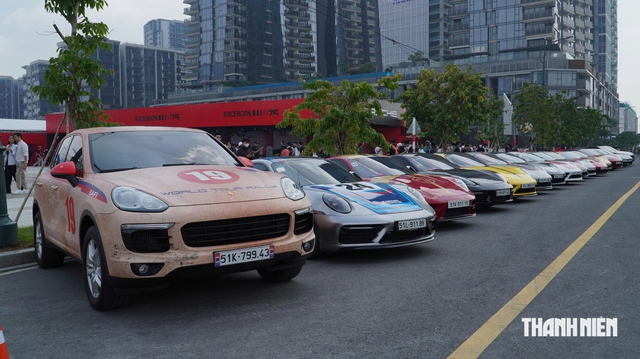
For many owners, the relationship with their vehicle evolves. New owners often prefer the "stock" experience, trusting the factory settings to provide the quintessential Porsche feel. However, as familiarity with the vehicle’s handling characteristics grows, a segment of the ownership base moves toward performance tuning.
Le Doan Thanh, a seasoned Porsche owner, describes a typical trajectory: "I drove my car in its stock configuration for a long time to understand its limits. Only after I truly understood what the car lacked for my specific driving style did I consider upgrades." This evolution often involves adjustments to the suspension, wheel sets, or braking components to sharpen the car’s responsiveness. This is where "maintenance" transforms into "optimization." It is a deliberate process of tuning the machine to match the driver, rather than a frantic effort to fix mechanical failures.
Economic Realities: The Cost of Ownership
The question of cost remains the most significant barrier to entry for many. While Porsche maintains a premium pricing tier, the financial commitment is not a static figure. It fluctuates based on the model, the age of the vehicle, the mileage, and the owner’s appetite for modifications.
In certain markets, such as Vietnam, Porsche has implemented proactive service programs, including complimentary maintenance packages for the first four years on select models like the Panamera, Cayenne, and Macan. Such initiatives significantly lower the total cost of ownership in the initial years, making the brand more accessible to a wider demographic.
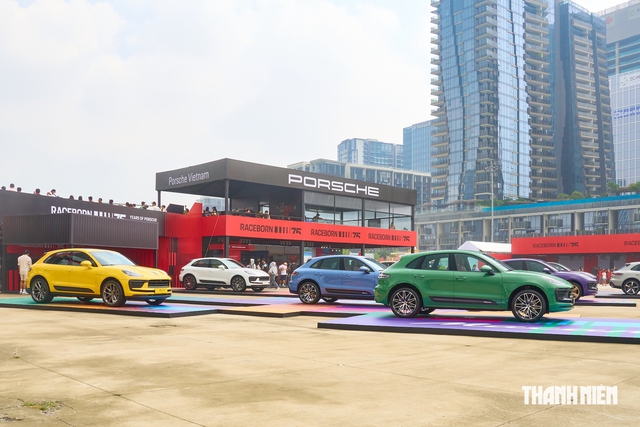
However, as the vehicle ages or as owners venture into aftermarket modifications, the financial landscape changes. Upgrading to high-performance parts—such as ceramic brakes or specialized dampers—requires a significant capital outlay. For the dedicated enthusiast, this is not viewed as a burden but as an investment in the driving experience. As Le Doan Thanh succinctly puts it: "If you want to play, you have to pay." The cost is relative to the satisfaction derived from the performance gains.
Fact-Based Analysis of Ownership Implications
The decision to own a Porsche is, fundamentally, a decision to prioritize engineering excellence and brand heritage. The implications of this choice are twofold:
- Operational Transparency: The shift toward digital service history and proactive maintenance monitoring has reduced the "unknowns" of luxury car ownership. Owners are alerted to wear and tear before it becomes a failure, which is a significant departure from the mechanical unpredictability of luxury vehicles in decades past.
- Value Retention: By adhering to factory-certified maintenance and opting for factory-approved upgrades, owners protect the resale value of their vehicles. A well-documented service history is the single most important factor in the secondary market, often separating a well-maintained vehicle from one that has been neglected.
The Broader Impact of the Porsche Ecosystem
The impact of the Porsche ownership experience extends beyond the individual. It fosters a culture of technical appreciation. Local clubs and community groups serve as hubs for knowledge sharing, where seasoned owners mentor new ones on the nuances of vehicle care. This ecosystem creates a circular economy of parts, services, and expertise that keeps these high-performance machines on the road for decades.
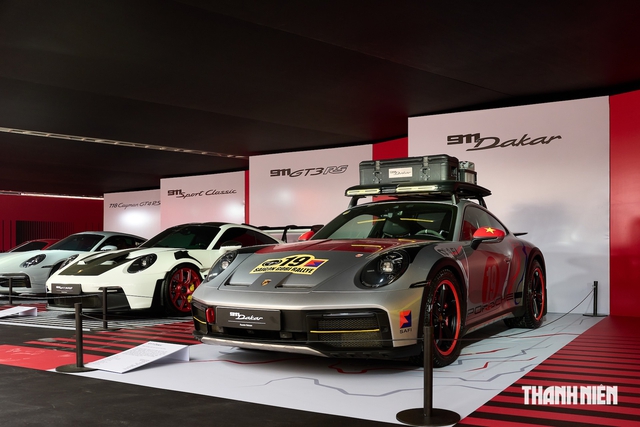
Furthermore, the brand’s ability to bridge the gap between a daily driver and a track-ready machine is a testament to its engineering versatility. Whether an owner uses their Macan for the daily school run or takes their 911 GT3 to the circuit on weekends, the underlying maintenance philosophy remains constant: respect the machine’s limits, follow the engineering protocol, and understand that every euro or dollar spent is an investment in longevity.
Conclusion
The narrative that Porsche ownership is an exercise in endless, complicated maintenance is largely outdated. Modern high-performance vehicles, supported by a robust global service infrastructure, offer a level of reliability that matches their power. Whether one is a casual user who appreciates the comfort and status of a luxury SUV or a performance enthusiast who seeks to push the boundaries of their sports car, the path is clearly defined.
Maintenance is no longer a "chore" but a standardized process of preservation, while personalization serves as the creative outlet that makes each vehicle unique. For those willing to embrace the structured, professional, and performance-oriented world of Porsche, the ownership experience is not one of complexity, but of confidence. As the automotive industry shifts toward new technologies and electrification, the principles of rigorous maintenance and personalized performance remain the bedrock of the Porsche legacy, ensuring that the thrill of the drive remains the primary focus of every owner.