Hyundai Grand i10 set for a complete redesign with next-generation model expected in 2027

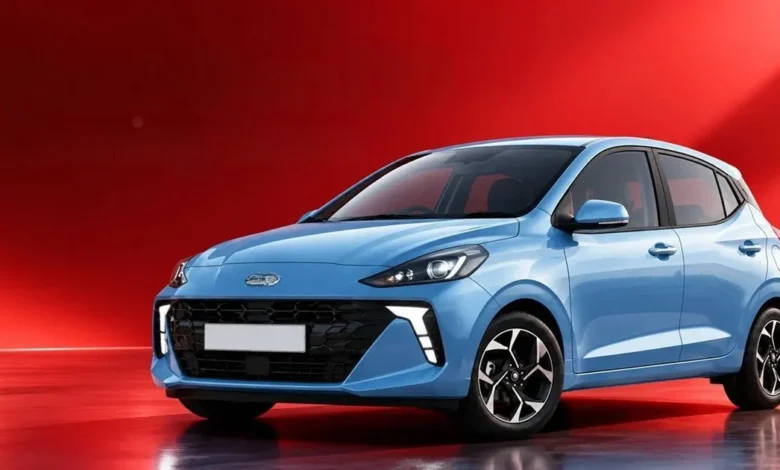
Hyundai Motor Company has officially confirmed its strategic roadmap for the development of a brand-new generation of the Grand i10 Nios, a model that has served as a cornerstone of the manufacturer’s A-segment offerings, particularly in key emerging markets like India. While the current iteration of the popular hatchback has remained a consistent performer since its last major mid-cycle refresh in 2023, the automotive giant is now shifting its focus toward a comprehensive overhaul. Industry reports, including insights from Cartoq, suggest that the upcoming successor will represent a radical departure from the existing design language, marking a significant evolution in both aesthetics and engineering.
A Legacy of Excellence in the A-Segment
The Hyundai Grand i10 series has long been recognized as a benchmark for small cars, blending affordability with a feature-rich experience that often exceeds the expectations of its segment. Since the introduction of the Nios generation in 2019, Hyundai has managed to maintain the vehicle’s relevance through periodic updates, focusing on interior refinements and minor exterior tweaks.
However, the automotive landscape is shifting rapidly. With the rise of compact SUVs and the increasing demand for electrification and advanced safety protocols, the traditional hatchback model must reinvent itself to survive. The decision to invest in a "clean-slate" development for the 2027 model year underscores Hyundai’s commitment to the A-segment, even as competitors scale back their investments in favor of larger, higher-margin crossovers.
Technical Expectations and Architectural Shifts
One of the most anticipated aspects of the 2027 Grand i10 is the transition to a new, more modular platform. Sources close to the project indicate that the engineering team is prioritizing a complete structural redesign, which will likely improve crash safety, cabin ergonomics, and driving dynamics. By moving toward a more versatile architecture, Hyundai aims to facilitate the integration of hybrid or potentially full-electric powertrains in future iterations, providing a bridge to the company’s long-term sustainability goals.
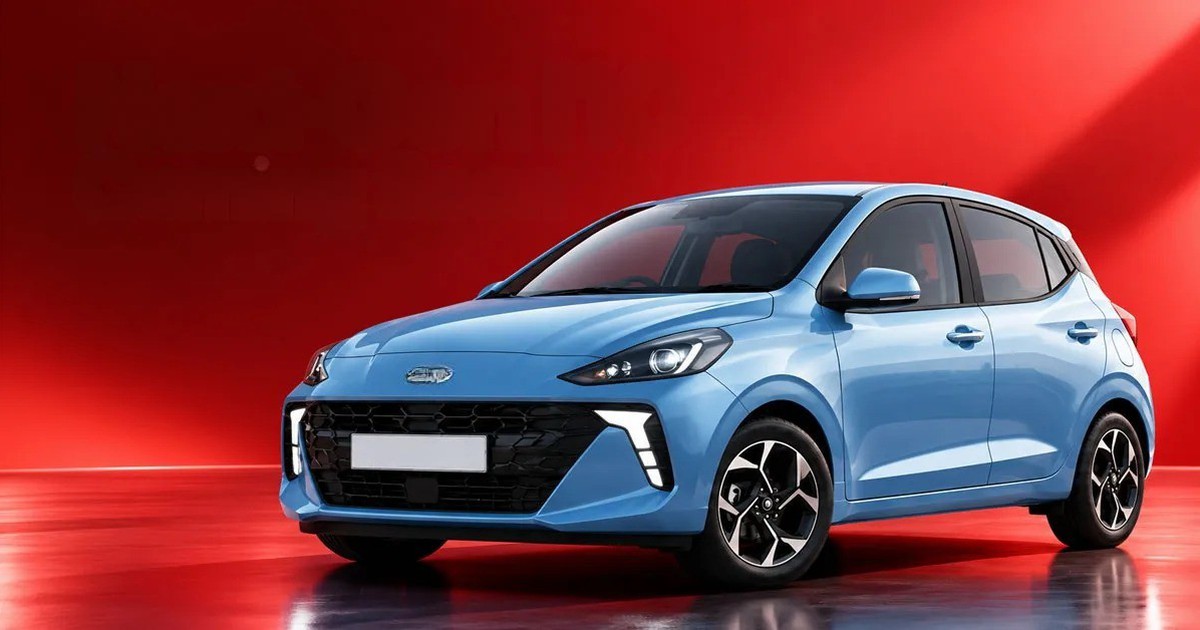
Current models rely on a 1.2-liter naturally aspirated gasoline engine, paired with either a five-speed manual or an Automated Manual Transmission (AMT). In specific markets, Hyundai has also catered to cost-conscious consumers with a Compressed Natural Gas (CNG) variant, which has proven highly effective in mitigating rising fuel costs. While it is not yet confirmed whether the 1.2-liter engine will carry over into the new generation, industry analysts expect a refined version of the engine to remain, potentially accompanied by more efficient transmission options or mild-hybrid technology to meet increasingly stringent emissions standards.
Interior Innovations and Connectivity
Hyundai has traditionally been a leader in packing its entry-level models with premium technology. The current Grand i10 Nios already offers features that were once reserved for higher-segment vehicles, such as a 6-airbag standard safety package, an 8-inch touchscreen infotainment system, and rear air-conditioning vents.
The next-generation model is expected to raise the bar further. Designers are likely to emphasize a "digital-first" cabin, incorporating larger, integrated displays, enhanced smartphone connectivity, and perhaps the introduction of advanced driver-assistance systems (ADAS) to differentiate the model from its rivals. Furthermore, the focus on sustainable materials—a trend permeating the entire Hyundai lineup—is expected to influence the interior trim and upholstery of the 2027 model.
Market Dynamics and the "SUV-ization" Effect
The global automotive market is currently undergoing a phenomenon often referred to as "SUV-ization," where consumers are migrating en masse toward taller, more rugged-looking vehicles. This trend has placed immense pressure on traditional hatchback manufacturers. In many regions, the A-segment has seen a steady decline in sales, leading several brands to discontinue their entry-level offerings.
Despite these challenges, the A-segment in India remains a vital gateway for first-time buyers. Data from the Society of Indian Automobile Manufacturers (SIAM) highlights a resilient demand for personal mobility, with sales of small cars showing a 27% increase in the first five months of the 2027 fiscal year, reaching approximately 590,000 units. This statistical recovery provides a strong justification for Hyundai’s continued investment in the Grand i10. By opting to evolve the hatchback rather than replacing it with an entry-level SUV, Hyundai is positioning the new model as a practical, value-driven alternative to the crowded crossover space.
Pricing Strategy and Competitive Positioning
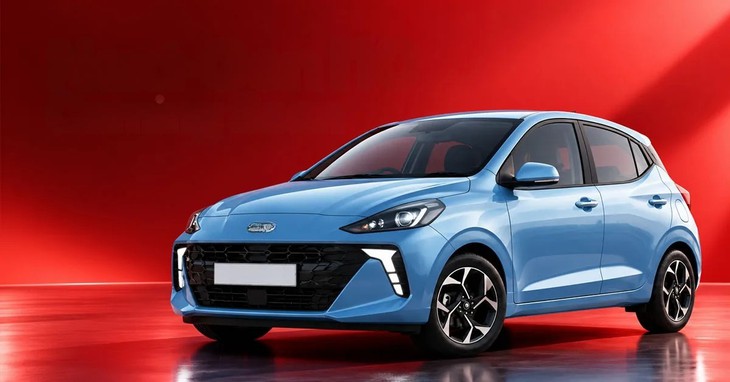
At present, the Hyundai Grand i10 Nios is priced aggressively, starting around 560,000 Indian Rupee (approximately $6,700 USD, excluding taxes and registration). A core component of the next-generation strategy will be maintaining this competitive price point while absorbing the costs associated with the new platform and upgraded technology.
Hyundai’s strategy appears to be one of "accessible innovation." By keeping the entry price low, they ensure the model remains attractive to the mass-market demographic, while the technological advancements serve to capture the attention of a younger, tech-savvy buyer base. The company must strike a delicate balance, as any significant price hike could alienate the very consumers who have historically driven the success of the Grand i10.
The Vietnamese Perspective and Global Reach
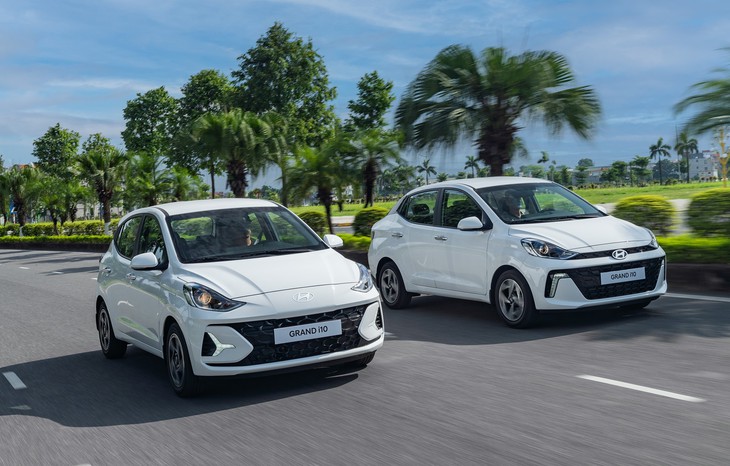
While the news of the 2027 redesign stems from developments in the Indian market, its implications are global. Hyundai’s manufacturing hubs often share platforms and design philosophies across borders. In Vietnam, for instance, the Grand i10 remains a top-tier choice for consumers, maintaining a unique position by offering both sedan and hatchback body styles in the A-segment.
The uncertainty lies in whether the 2027 redesign will be adopted universally or if regional markets will see a localized iteration. Given the current downturn in A-segment sales in Vietnam—where August 2026 data showed that no single model in this category reached 100 units sold—the arrival of a new generation could serve as a necessary catalyst to revitalize consumer interest. Whether or not Hyundai decides to introduce the new model to these specific markets will likely depend on the success of the initial launch in India and the shifting macroeconomic conditions in Southeast Asia.
Timeline and Road to Production
The development of a vehicle is a multi-year endeavor, and the 2027 target allows Hyundai to navigate the complexities of supply chain integration and final design validation. While no official images or technical specifications have been released, the coming months are expected to bring "spy shots" of camouflaged prototypes undergoing road testing.
These tests will be critical in assessing the durability of the new chassis and the performance of the powertrain under real-world conditions. Furthermore, they will provide the public with the first concrete look at the vehicle’s silhouette, which, based on recent Hyundai design trends—seen in the latest Kona and Tucson—will likely feature sharper lines, a more aggressive stance, and a highly distinct front fascia.
Conclusion: A Strategic Pivot
The commitment to a new Grand i10 in 2027 signifies that Hyundai is not ready to concede the A-segment to the rise of the SUV. Instead, the company is betting that a modern, highly efficient, and technologically advanced hatchback can remain a relevant and desirable product. By focusing on a complete overhaul of the platform and interior, Hyundai is essentially future-proofing one of its most important global assets.
As the industry moves toward 2027, the focus will be on whether this new model can successfully bridge the gap between traditional utility and the demands of a modern digital consumer. For now, the automotive community waits to see if the "lifted" look of the SUV craze can be successfully challenged by the refined, compact efficiency of the next-generation Grand i10. With a robust development plan in place and a clear understanding of the market, Hyundai appears well-equipped to define the next era of the small car.