The automotive landscape in Vietnam is undergoing a profound transformation, characterized by an accelerating shift toward electrification. Rather than transitioning directly and exclusively to battery-electric vehicles (BEVs), the domestic market is embracing a diverse array of hybrid technologies. These powertrains now span nearly every vehicle segment, establishing two parallel pathways of electrification: fully electric and gasoline-electric hybrids.
Historically, Vietnamese consumers approached hybrid technology with considerable caution. Early adoption was hampered by widespread anxieties regarding long-term maintenance costs, battery degradation, and the complexities of component replacements. However, over the past several years, the widespread introduction of hybrid models—ranging from accessible mainstream offerings to sophisticated luxury vehicles—has steadily dismantled these reservations. Today, motorists increasingly recognize hybrids as an efficient, low-consumption solution that delivers an elevated driving experience without the logistical burdens associated with strict charging infrastructures.
Bridging the Gap: The Appeal of Convenience and Familiarity
A primary driver behind the surging popularity of hybrid vehicles in Vietnam is the seamless transition they offer. Consumers can engage with advanced electrification technology without altering their fundamental driving habits or refueling routines. Hybrid owners continue to refuel with conventional gasoline at established service stations, eliminating the necessity to locate dedicated charging points or restructure daily commutes around battery management.
This convenience addresses a critical friction point in emerging automotive markets where public charging infrastructure is still in its infancy. By combining internal combustion engines (ICE) with electric motors, hybrids optimize fuel efficiency, significantly reduce urban emissions, and provide instant torque response, all while maintaining the absolute operational range associated with traditional fossil-fuel vehicles.
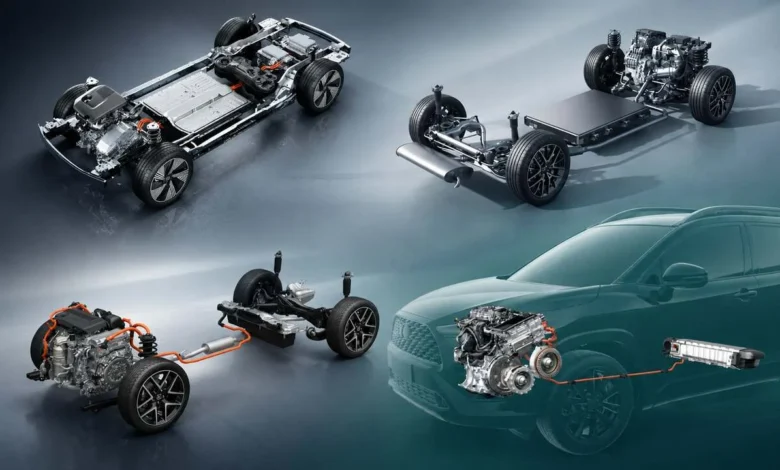
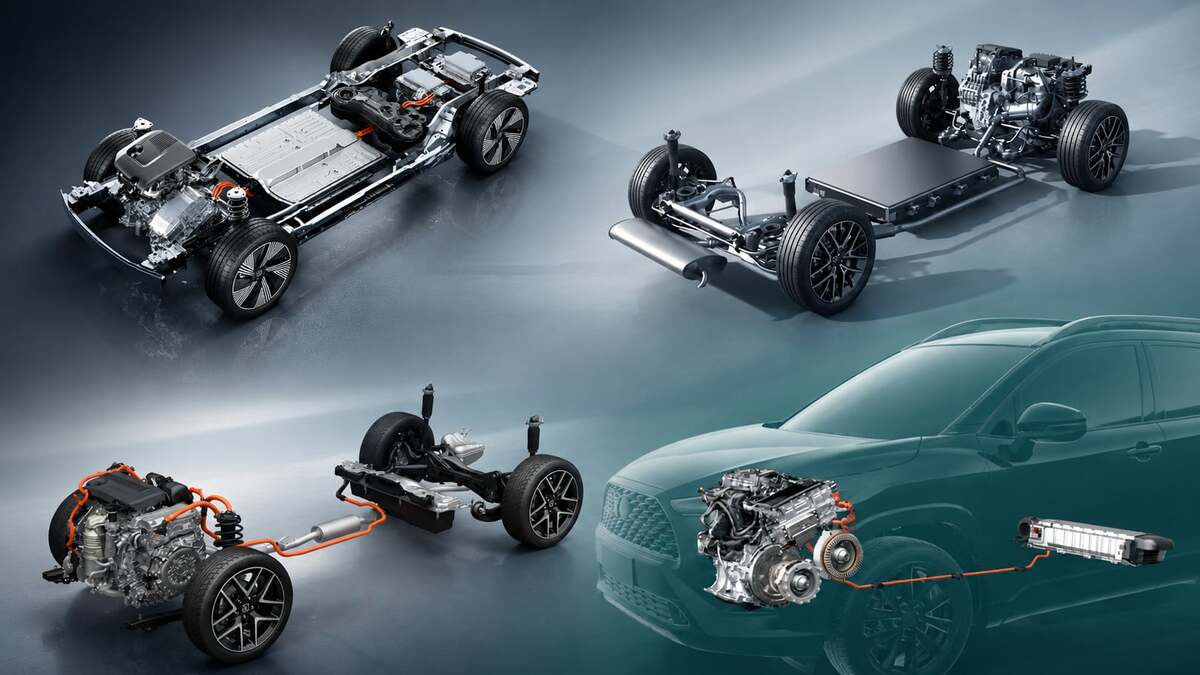
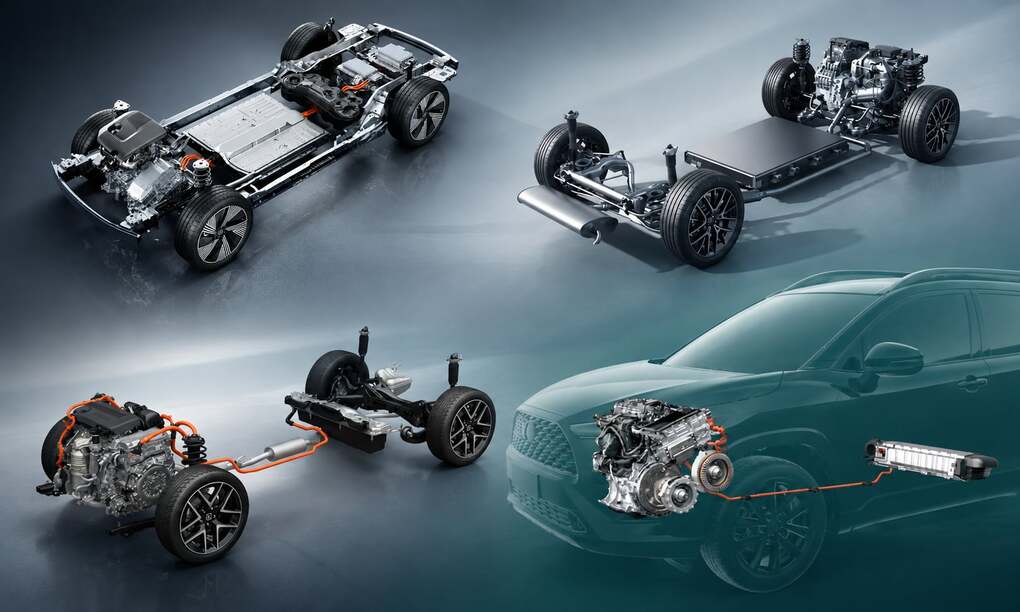
Decoding Hybrid Powertrains: MHEV, HEV, and PHEV
Modern hybrid technology is far from monolithic, encompassing several distinct mechanical configurations that cater to different consumer priorities and usage patterns.
Mild Hybrid Electric Vehicles (MHEV)
At the foundational level, MHEV systems utilize a compact electric motor—often integrated via a starter-generator setup—to primarily assist the internal combustion engine during startup, acceleration, or periods of high mechanical load. While they do not drive the wheels independently for extended distances, mild hybrids offer a cost-effective method to reduce fuel consumption and smooth out stop-start traffic dynamics.
Hybrid Electric Vehicles (HEV)
Stepping up in electrification are traditional full hybrids, or HEVs. These systems combine an internal combustion engine with a larger electric motor and a self-charging battery pack. The battery is replenished continuously during vehicle operation through regenerative braking and surplus energy harvested from the gasoline engine. Drivers enjoy substantial fuel savings, particularly in dense urban environments, without ever needing to plug the vehicle into an external power source.
Plug-in Hybrid Electric Vehicles (PHEV)
Representing the apex of current hybrid electrification are PHEVs. These vehicles feature significantly larger battery capacities that can be recharged via external electrical sources, such as home wall boxes or public charging stations. This design allows PHEVs to operate on pure electricity for extended distances, perfectly accommodating typical daily urban commutes. When the battery is depleted or when high-speed long-distance travel is required, the onboard internal combustion engine seamlessly engages, ensuring uninterrupted mobility.
Divergent Engineering Philosophies in the Vietnamese Market
The implementation of hybrid technology in Vietnam highlights distinct engineering philosophies among global automakers, particularly when comparing Japanese manufacturers with newer entrants from China and Europe.
Japanese brands have long championed self-charging HEV systems. Their core philosophy centers on maximum user convenience: drivers are never required to plug in their vehicles. Batteries are replenished exclusively via regenerative braking and engine-driven generators. This approach ensures that operating a Japanese hybrid feels virtually identical to driving a conventional car, requiring zero infrastructure adaptation.
However, even among self-charging systems, mechanical execution varies widely. Manufacturers like Suzuki focus on mild hybrid applications with minimal electric motor intervention and compact batteries. In contrast, Toyota and Honda deploy larger battery packs and more assertive electric motors. While Toyota’s hybrid architecture primarily utilizes the electric motor in a supporting role to assist the primary engine, Honda’s dual-motor configuration often positions the electric motor as the primary driving force under low- and medium-speed conditions. In Honda’s setup, the gasoline engine frequently acts as a generator to supply electrical energy, engaging direct mechanical drive to the wheels only at higher cruising speeds through a lock-up clutch.
Conversely, newer automotive entrants—particularly Chinese brands—have made aggressive incursions into the Vietnamese market by focusing heavily on Plug-in Hybrid Electric Vehicles (PHEVs). The local market now features an expanding roster of PHEV models, including the BYD Sealion 6, BYD Seal 5, BYD M9, Lynk & Co 08, Lynk & Co 900, Geely EX5 EM-i, and Jaecoo J7 SHS-P. BYD’s continued expansion, highlighted by the strategic rollout of the Sealion 5 in the competitive C-segment crossover category, underscores the growing commercial momentum behind plug-in technology.
These PHEVs utilize advanced proprietary architectures, such as BYD’s DM-i (Dual Mode intelligent) system or Lynk & Co’s multi-speed EM-P transmissions. BYD’s approach prioritizes electric propulsion across varied driving conditions, utilizing a small-displacement 1.5-liter engine primarily to generate electricity or provide direct mechanical assistance only when optimal. This synergy enables manufacturers to claim exceptional operational ranges—sometimes exceeding 1,000 kilometers on a single charge and a full tank of fuel.
Meanwhile, multi-speed hybrid transmissions, favored by brands like Lynk & Co, emphasize dynamic driving performance. By integrating multi-stage gearboxes, these systems allow both the electric motor and the combustion engine to operate within their most efficient RPM ranges across diverse speeds, catering directly to drivers who prioritize engaging handling alongside high fuel efficiency.
Market Implications and the Road Ahead
According to automotive industry analysts and panels from prominent car evaluation bodies, the rise of hybrid vehicles with electric-primary propulsion is reshaping the competitive dynamics of Vietnam’s transport sector. As regulatory frameworks tighten and national strategies increasingly emphasize carbon reduction, hybrids occupy a highly strategic middle ground.
The primary competitive advantage of hybrids remains their immunity to "range anxiety" and infrastructure dependency. By offering the driving dynamics and environmental efficiency of an electric vehicle paired with the refueling convenience of a traditional combustion car, hybrids serve as an indispensable bridge for emerging markets. As consumer trust deepens and product availability broadens, electric-assisted hybrids are poised to capture a substantial share of the Vietnamese automotive market, fundamentally redefining consumer expectations for personal mobility in the decades to come.