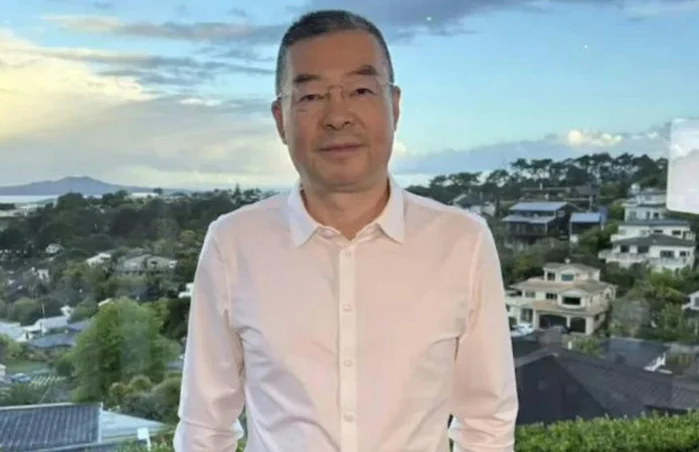
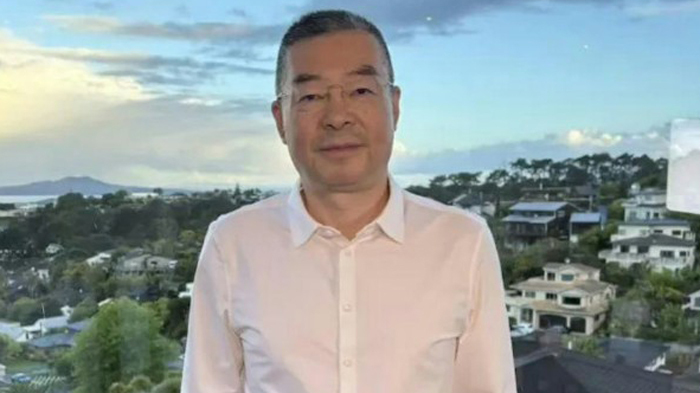
In a remarkable milestone for medical resilience, Lu Yong, the 58-year-old Chinese man who served as the real-life inspiration for the critically acclaimed 2018 blockbuster film Dying to Survive, is preparing to cease his long-term cancer treatment. After 24 years of battling chronic myeloid leukemia (CML), Lu has reached a clinical milestone where his genetic markers for the disease are no longer detectable, signaling a potential end to his decades-long reliance on medication.
A Journey of Survival: From Diagnosis to Remission
Lu’s ordeal began in 2002 when, at the age of 34 and while operating a textile business in Jiangsu province, he was diagnosed with CML. At the time, the prognosis for such a diagnosis was grim, as the only available treatment was Gleevec, a medication containing the active ingredient imatinib. Manufactured by the pharmaceutical giant Novartis, Gleevec was a breakthrough therapy that inhibited the enzymes driving the proliferation of leukemic cells. However, its cost was prohibitive. Each box of Gleevec was priced at 23,500 yuan (approximately $3,200), necessitating a daily expenditure of roughly 800 yuan—an amount far beyond the reach of the average Chinese citizen two decades ago.
With medical insurance failing to cover the medication, Lu faced a catastrophic financial reality. Over the course of two years, he exhausted nearly 600,000 yuan on treatment, effectively draining his business capital and personal savings. His survival was not merely a matter of endurance but a struggle against systemic healthcare limitations.
The Path to Generic Access and Legal Turmoil
In 2004, seeking a sustainable way to survive, Lu discovered a generic version of imatinib produced in India. While chemically identical to the patented Gleevec, the generic variant was significantly more affordable. Lu began importing the drug, not only for himself but also as a facilitator for hundreds of other patients facing the same death sentence.
At the time, Chinese regulations did not permit the import of these generic drugs, and they were officially classified as "fake" medications under the law. This led to Lu’s arrest and subsequent legal saga, which drew national attention to the plight of cancer patients and the rigidity of pharmaceutical pricing. His story eventually sparked a national conversation about healthcare reform, leading to the blockbuster film that chronicled his journey and the broader struggle for affordable medicine in China.
Clinical Milestones and the Path to Discontinuation
On October 14, 2024, medical testing revealed that Lu had tested negative for the BCR-ABL1 fusion gene—the specific genetic marker responsible for CML. This "undetectable" result, achieved after consuming approximately 35,000 pills over 22 years, serves as the clinical justification for his physician-supervised effort to taper off his medication.
Lu began reducing his dosage the following day. If his body continues to show favorable responses and maintains molecular remission, he is scheduled to officially stop taking the medication on January 14, 2025. His preparation for this moment has been meticulous, involving a disciplined regimen of swimming, brisk walking, and strength training to maintain his physical resilience.
Broader Context: The Evolution of Leukemia Treatment in China
The healthcare landscape in China has undergone a radical transformation since Lu’s diagnosis in 2002. In 2017, the Chinese government included Gleevec in the National Reimbursement Drug List (NRDL), with the state covering over 70% of the costs. Furthermore, in 2019, the government amended the Drug Administration Law, effectively decriminalizing the import of previously unapproved drugs and removing the "fake medicine" classification from these essential treatments.
Today, patients can access high-quality leukemia treatment for a fraction of the cost, often paying only a few hundred yuan per month. The domestic pharmaceutical industry has also surged, developing second and third-generation inhibitors that are increasingly effective. According to Lu, these newer medications are superior in managing the disease compared to the first-generation options he relied on for years.
Medical Perspectives on Treatment-Free Remission (TFR)
Dr. Chen Zining, head of the Hematology Department at the First Affiliated Hospital of Soochow University, notes that approximately 10,000 new cases of CML are diagnosed in China annually. Currently, there are over 100,000 patients living with the disease, maintaining their quality of life through daily medication.
The concept of Treatment-Free Remission (TFR) has become a focal point of modern hematology. A recent study tracking 698 patients who attempted to stop taking medication found that 55% achieved sustained remission after two years, while 45% required a resumption of therapy. This data highlights that while TFR is an achievable goal for many, it requires rigorous monitoring and is not a universal cure.
Implications and Future Outlook
The shift from treating CML as a "terminal illness" to a "manageable chronic condition" represents one of the most significant advancements in 21st-century oncology. Lu Yong’s experience is emblematic of this transition. In 2007, his primary goal was to live for another ten years; today, he has surpassed that milestone by over a decade.
His current objective is not merely to stop the medication, but to ensure that the disease does not recur. Reflecting on his journey, Lu noted that his greatest wish is for the cancer to remain inactive, allowing him to live a life indistinguishable from that of a healthy individual. His case serves as a beacon of hope for thousands of others and provides a compelling case study for the importance of policy reform in the pharmaceutical sector.
As the global medical community watches cases like Lu’s, the focus remains on the balance between rigorous clinical protocols and the quality of life for patients. The evolution of CML treatment from a high-cost, high-risk situation to a standard, accessible medical process underscores the importance of continued investment in drug research and the expansion of social safety nets to cover essential lifesaving therapies. For Lu, the 35,000 pills he has consumed are not just a record of his survival; they are a testament to the relentless human spirit and the transformative power of medical science.
Related posts: