Ho Le Thu Reveals Her Journey of Healing and Artistic Evolution After Years of Personal Turmoil

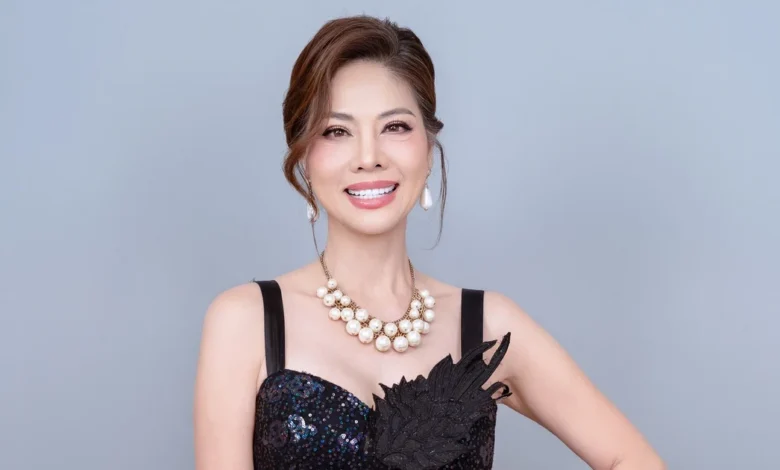
For over two decades, Ho Le Thu has been a fixture in the Vietnamese music industry, known initially for her high-energy performances and dynamic stage presence. However, in recent years, the veteran singer has undergone a profound transformation, shifting her artistic focus toward emotional depth and introspection. In a candid reflection on her career and personal life, the artist revealed that music has evolved from a professional pursuit into a vital mechanism for healing, providing her with the strength to navigate the complexities of her past.
The Genesis of Musical Catharsis
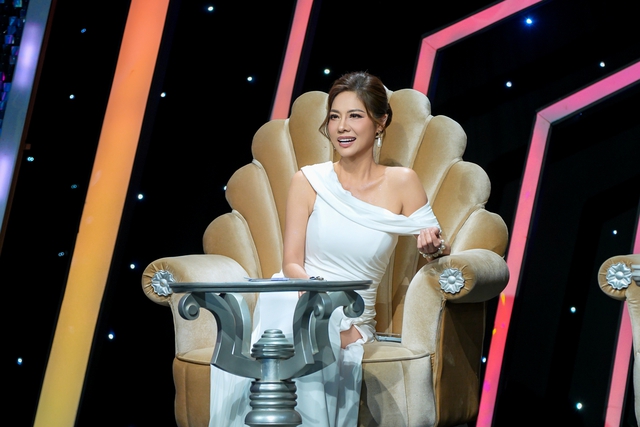
The pivot point in Ho Le Thu’s career is often traced back to the release of her signature hit, "Dau Ta Say." While audiences at the time were captivated by her vibrant performance style, the song itself was born from a period of significant personal hardship. During a recent appearance on the program Chuyen Toi Cung Sao (broadcast on THVL1), the singer opened up about the emotional weight behind the track.
"The song originated from a very sad story of my own," she disclosed. "The songwriter wrote ‘Dau Ta Say’ specifically for me. When I stepped into the recording booth to lay down the vocals, I was not merely performing; I was speaking to myself. I was singing for my own soul, rather than focusing on how the audience would receive the track."
This raw, unvarnished honesty resonated deeply with listeners, effectively bridging the gap between performer and fan. The song became a lasting anthem, cementing her reputation as an artist capable of translating personal pain into universal human experience.
A Chronology of Artistic Resilience
Ho Le Thu’s career is marked by several distinct phases. Emerging in the early 2000s, she was categorized primarily as a pop idol, a performer defined by choreography and spectacle. By the mid-2000s, however, her repertoire began to shift. The success of "Dau Ta Say" marked a transition toward ballads—a genre that allowed her to showcase the nuances of her vocal range and emotional maturity.
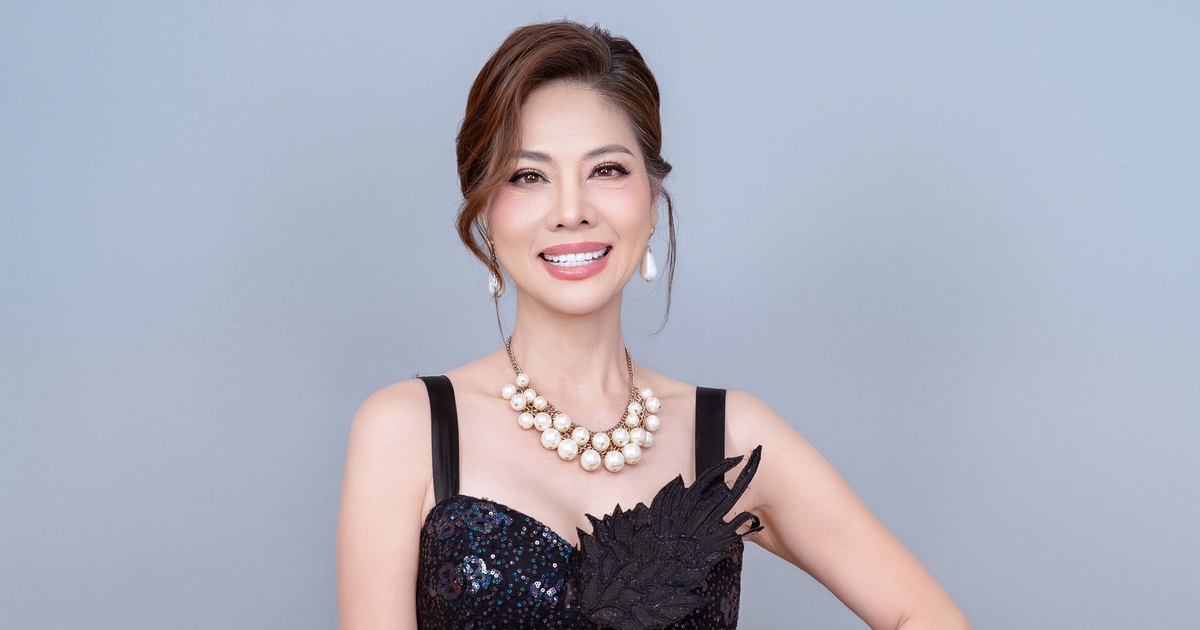
Following this period, she continued to curate a portfolio of emotionally resonant music, including tracks like "Bai Khong Ten So 7" and the widely recognized "Buong Tay." Interestingly, the story behind "Buong Tay" highlights her collaborative and empathetic approach to music. Initially, she was hesitant to record the song because it was inspired by the real-life romantic struggles of two of her close friends. Ultimately, she chose to release it, recognizing the song’s broader thematic appeal. It quickly became a staple in her discography, demonstrating her ability to act as a vessel for collective emotion.
The Philosophy of "Healing Through Song"
At 52, Ho Le Thu adopts a minimalist philosophy toward both her craft and her life. When asked about her secret to maintaining a connection with audiences over such a long tenure, her answer is remarkably simple: "One must sing with their heart. Only a heart can reach another heart."
Despite the emotional intensity of her discography, the singer is quick to clarify that music is not a complete panacea for her personal struggles. "These songs do not necessarily wash away my pain," she admits. "In some cases, they make me reflect even more deeply. However, the act of singing is the moment I choose to let go of my grievances and suffering. It is a form of self-soothing."
This admission adds a layer of depth to her performances. For Ho Le Thu, the stage is not a place for escape, but a place for integration—a space where she can acknowledge her past while projecting an aura of peace to her listeners.
Impact and Cultural Significance
The career of Ho Le Thu reflects a broader trend within the Vietnamese entertainment industry: the move away from manufactured pop perfection toward "authentic storytelling." As the industry matures, audiences have increasingly gravitated toward artists who demonstrate vulnerability.
From an analytical perspective, her longevity is a testament to her adaptability. While many of her contemporaries from the early 2000s struggled to transition their sound as market trends shifted toward digital streaming and indie-pop, Ho Le Thu successfully maintained her relevance by grounding her work in the timeless themes of loss, resilience, and emotional recovery.
Her influence is felt not only in her sales figures and chart performance but also in the way she interacts with her fan base. By openly discussing her "buong bo" (letting go) philosophy, she has become a mentor-like figure for younger artists navigating the high-pressure environment of the Vietnamese music scene.
Looking Toward the Future
As she looks ahead, Ho Le Thu shows no signs of slowing down. She remains committed to producing new material that continues to bridge the gap between her traditional roots and contemporary soundscapes. The reception of her recent work indicates that her audience is eager for this evolution, supporting her as she navigates the changing tides of the music industry.
When asked how she defines herself today, she rejects the complex labels often placed upon celebrities. "I only wish for people to remember me as Ho Le Thu, a simple person who always carries a smile on her lips, regardless of the sadness or joy I have experienced."
This commitment to authenticity is further underscored by her daily habits. In her downtime, she prefers the simple pleasures of cinema and music, maintaining a lifestyle that prioritizes mental clarity and energy. When prompted to describe her current life in a single word, she chose "happiness"—a state she claims to have achieved not by avoiding life’s challenges, but by embracing them with a conscious effort to release what no longer serves her.
Conclusion
Ho Le Thu’s journey from a high-energy pop star to an introspective balladist offers a compelling study in artistic longevity. Her story serves as a reminder that the most enduring art is often that which is most deeply rooted in personal truth. By turning her own experiences of pain into a source of connection, she has managed to sustain a career that is as meaningful to her as it is to her fans. As she enters this next chapter, her focus remains steadfast: to continue creating, to continue healing, and to remain, above all else, herself.