Proactive infrastructure improvements and advanced driver training are reshaping traffic safety across Vietnam to prevent accidents before they occur.

In a concerted effort to curb the persistent challenge of road traffic accidents (RTAs), transportation authorities and urban planners across Vietnam are shifting their focus from reactive measures to a proactive, data-driven approach. By identifying "black spots"—locations with historically high collision rates—and implementing targeted engineering, technological, and educational interventions, officials aim to reduce fatalities and injuries significantly. This strategy marks a pivot toward systemic road safety management, emphasizing that preventing a crash is far more effective than mitigating its consequences after the fact.
The shift is evident in major urban centers like Ho Chi Minh City and industrial corridors such as Dong Nai province. Historically, these areas have struggled with chaotic traffic flows, poor visibility at junctions, and infrastructure that failed to keep pace with rapid motorization.
Addressing Infrastructure Deficiencies at High-Risk Junctions
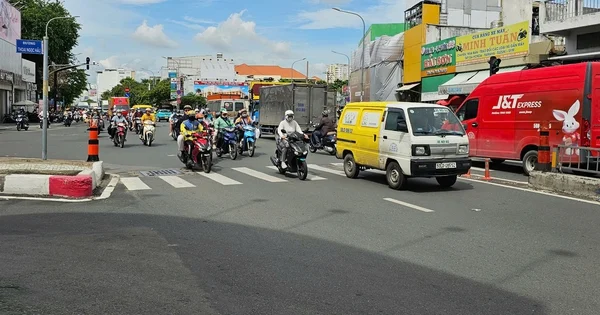
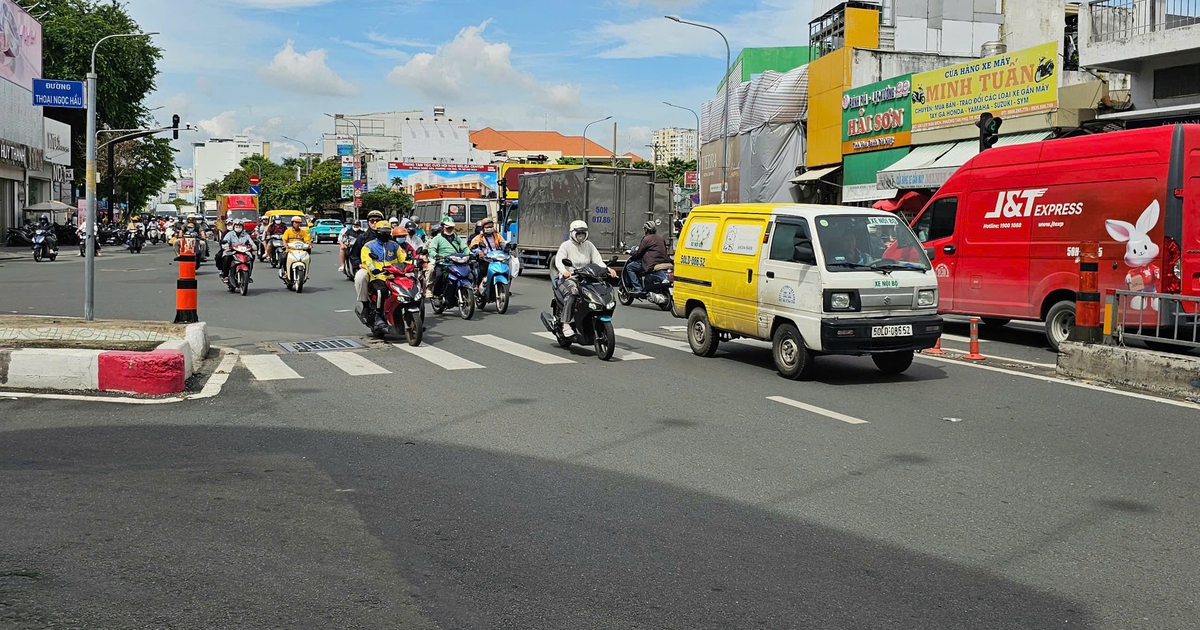
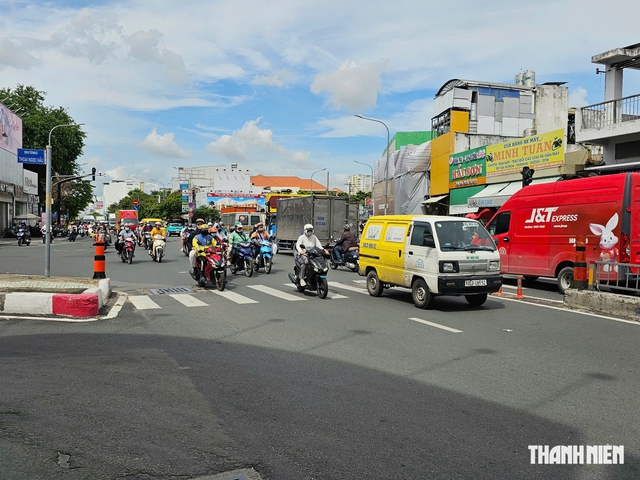
A primary focus of current road safety initiatives is the remediation of dangerous intersections. The intersection of Thoai Ngoc Hau and Luy Ban Bich, situated at the boundary between Tan Phu and Tan Hoa wards in Ho Chi Minh City, serves as a prime example of successful intervention. Previously, this site was a frequent location for collisions, often occurring during the early morning hours or late at night when traffic was sparse and drivers were prone to speeding, running red lights, or turning without adequate observation.
Local residents and commuters often cited the intersection’s narrow geometry, poor lighting, and unclear signage as contributing factors to the insecurity of the area. Following years of persistent feedback from the community and rigorous traffic analysis, the municipal government undertook a comprehensive renovation. This included road widening, resurfacing, the installation of high-visibility signal lights, clearer lane markings, and the addition of speed-reduction humps. Since these modifications were completed, the junction has been effectively removed from the city’s list of high-risk accident locations, demonstrating that targeted infrastructure investment yields tangible safety dividends.
Similarly, the An Suong intersection at the gateway to Ho Chi Minh City long served as a notorious bottleneck, frequently characterized by conflicts between heavy-duty container trucks and motorcycle riders. The transformation of this node into a three-tier system—incorporating an overpass, a roundabout, and an underpass—has drastically reduced the complexity of vehicle interactions. By segregating flows and implementing dedicated signal timing for motorcycles versus heavy vehicles, authorities have successfully mitigated the risks that once plagued the area.
Data-Driven Management and the Role of Enforcement
The efficacy of these interventions is underpinned by an increasing reliance on data analytics. According to the Traffic Police Department (C08) under the Ministry of Public Security, the analysis of accident data—categorized by time, location, vehicle type, and contributing behavior—is now the primary driver of policy changes.
For the first nine months of 2026, C08 reports have utilized this data to pinpoint specific risks associated with motorcycles, passenger vehicles, and heavy-duty freight trucks. This granular data allows authorities to move beyond generic safety campaigns and instead target specific behaviors on high-risk routes. For instance, the deployment of over 760 cameras across Dong Nai province—including 250 AI-integrated units—represents a new frontier in traffic monitoring. These systems provide objective, real-time evidence of traffic violations, including speeding and unauthorized maneuvers, which serves as both a deterrent and a mechanism for immediate enforcement.
However, experts suggest that data collection must evolve. Le Trung Tinh, Vice Chairman of the Ho Chi Minh City Transport Association, emphasizes that statistics should not merely count fatalities or fines but should analyze the root causes and situational contexts of accidents. Sharing this intelligence with transport companies and logistics operators allows for the development of tailored training programs that address the specific hazards faced by professional drivers.
Proactive Remediation: A National Priority
The strategy extends beyond major urban intersections to critical national infrastructure. Following an inspection of National Route 1 (QL1) in Dong Nai province on October 2, 2026, the Vietnam Road Administration issued directives for the immediate repair of road surfaces, lighting, and drainage systems. The audit highlighted a pressing need for the expansion of the stretch between Km1843+150 and Km1847+740, which experiences high volumes of industrial traffic.
While large-scale engineering projects require time, the government has prioritized the immediate rectification of "black spots" identified through safety audits. This includes consistent maintenance of lane markings and signage, which are often the first line of defense against driver error. Nguyen Cong Hung, Vice Chairman of the Vietnam Automobile Transport Association, argues that a "one-size-fits-all" approach to road design is insufficient. He highlights the need for dynamic speed limits that account for local conditions, such as the proximity of schools or dense residential areas, rather than relying solely on road width.
Cultivating Defensive Driving Skills
Beyond physical infrastructure, there is a growing consensus that the human element of traffic safety must be addressed through modern education. Current campaigns in Ho Chi Minh City focus on defensive driving skills for motorcycle users, particularly targeting the 30-50 age demographic and professional workers who commute frequently.
The training modules emphasize "risk perception"—the ability to identify potential hazards before they manifest as collisions. This is a significant departure from traditional training, which focuses on the mechanics of operating a vehicle. By using video footage of real-world traffic incidents, instructors teach participants to recognize "blind spots" of heavy vehicles, the necessity of emergency braking, and how to navigate hazardous weather conditions.
Dr. Tran Huu Minh, Deputy Chief of the Office of the National Traffic Safety Committee, underscores the importance of this psychological shift. "A driver may be skilled at maneuvering a vehicle, but if their risk perception is slow, they remain vulnerable," Dr. Minh notes. He points out that at a speed of 50 km/h, a vehicle travels nearly 14 meters per second. Recognizing a hazard even one or two seconds earlier can grant a driver an additional 14 to 28 meters of braking distance—the difference between a safe stop and a fatal collision.
Challenges and Future Directions
Despite these advancements, the transition to a proactive safety culture faces challenges. Critics of current training methods, including Dr. Minh, have pointed out that existing testing systems for driver licenses—which rely on fixed-point keyboard clicking to identify hazards—often measure test-taking skills rather than actual situational awareness. There is a push to replace these with immersive, video-based simulations that force trainees to articulate the hazards they see while driving.
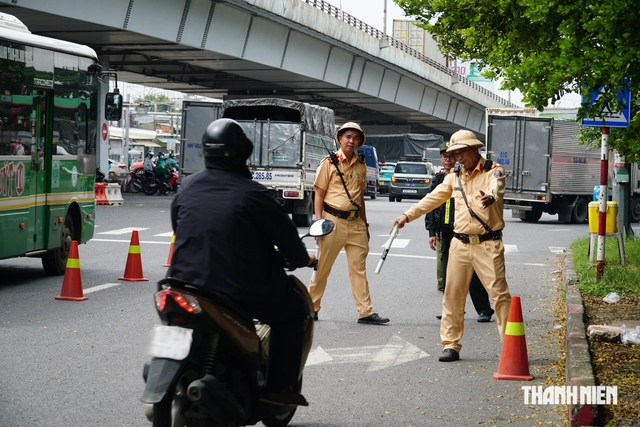
Furthermore, the integration of new technologies like AI and automated monitoring must be handled with a focus on long-term behavioral change rather than mere revenue generation through fines. As noted by industry stakeholders, the ultimate goal is to instill a culture of safety where drivers instinctively anticipate the unexpected—such as a bus pulling into a lane or a pedestrian crossing in a restricted area.
Conclusion: A Systematic Path Forward
The integration of smart infrastructure, comprehensive data analysis, and advanced driver training represents a holistic strategy to modernize traffic safety in Vietnam. By systematically identifying risks and addressing them through both physical and human-centric interventions, the authorities aim to create a road network that is inherently more forgiving of human error.
As the country continues its rapid development, the lessons learned from the successful transformation of junctions like An Suong and the implementation of AI-driven enforcement in Dong Nai will likely serve as blueprints for national road safety policy. The goal is clear: to transition from a culture of reactive cleanup to one of proactive prevention, ensuring that every journey on Vietnam’s roads is underpinned by the highest possible standards of safety and vigilance.