The market for the hắc cáy (black-spotted croaker), once considered a low-value "trash fish" by commercial fishermen in the Mekong Delta, has undergone a dramatic transformation. Today, this species has become a high-end delicacy, commanding prices reaching millions of dong per kilogram. With supply chains struggling to keep pace with soaring consumer demand, the scarcity of the fish has turned it into a luxury item that often requires weeks, if not months, of pre-ordering to secure.
The Evolution of a Culinary Commodity
Historically, the hắc cáy, distinguished by its elongated body and black-and-white spotted pattern, held little significance in the domestic seafood trade. For decades, local fishermen in provinces such as Kien Giang and Tien Giang frequently encountered the species as a by-catch during larger fishing operations. Because the fish was not a primary target for the mass market, it was often relegated to local consumption or sold at nominal prices.
However, a shift in culinary appreciation—driven by the discovery of its firm, sweet, and uniquely textured meat—has fundamentally altered its market position. What was once an overlooked byproduct is now a sought-after centerpiece in upscale restaurants and among discerning seafood enthusiasts. This rapid shift in consumer preference has created an supply-demand imbalance that the current traditional fishing methods are ill-equipped to resolve.
A Chronology of Scarcity
The transition from "trash fish" to premium product did not happen overnight. Over the past seven years, anecdotal evidence from seafood merchants in Ho Chi Minh City suggests a gradual tightening of supply. Initially, the fish was readily available to those who knew where to look. By 2020, regular buyers began noting the increasing difficulty of securing fresh catches.
By 2024 and into 2025, the situation reached a critical point. Merchants who once maintained steady inventory now report that they are frequently unable to fulfill requests for weeks at a time. The current reality for consumers is one of long waiting lists and premium pricing. For instance, a customer living in District 7, Ho Chi Minh City, who has been purchasing the fish for nearly a decade, notes that the acquisition process has transitioned from a casual market trip to a formal, multi-week procurement effort involving direct coordination with vessel owners.
Economic Implications and Price Escalation
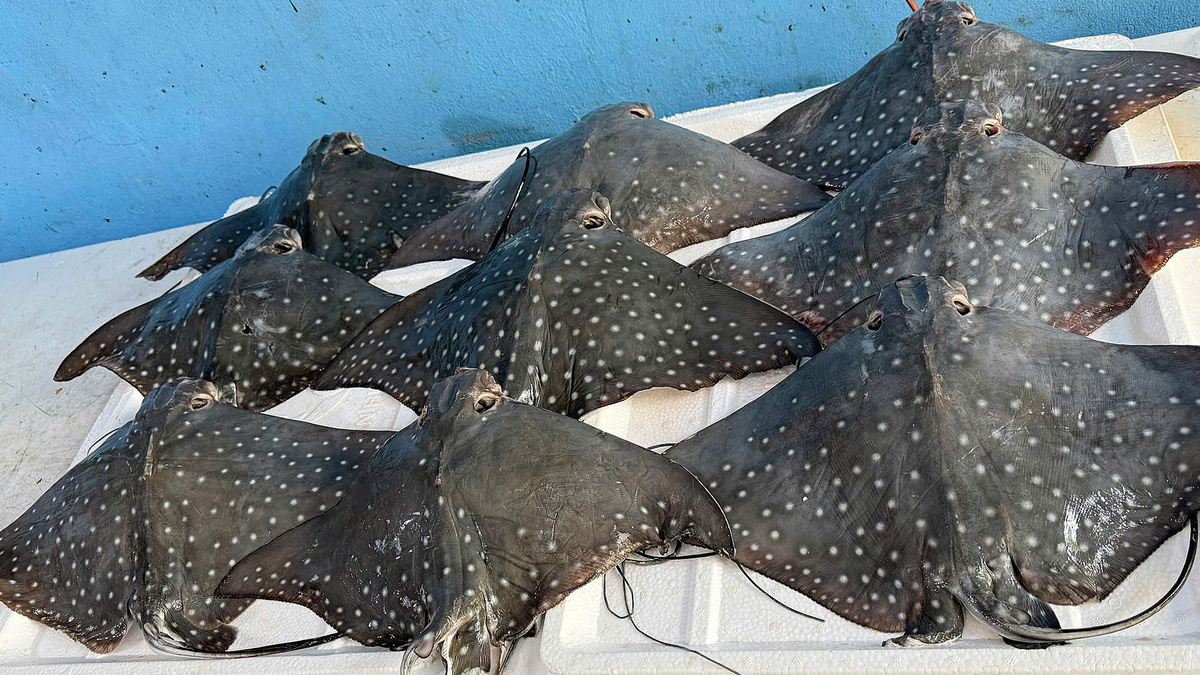
The economic mechanics of the hắc cáy market are driven by extreme scarcity and the high costs associated with preservation. At the source, in regions like Kien Giang and the Dong Thap area, the pricing structure is highly volatile. When a vessel returns with a catch, the rare, healthy, and live specimens are often bought immediately at the dock. Depending on the size of the individual fish, prices at the boat level typically range from 600,000 to 900,000 VND per kilogram.
As the product moves through the supply chain, the costs escalate significantly due to the challenges of keeping the fish alive. Because the hắc cáy is difficult to maintain in standard transport conditions, many merchants opt for quick-freezing or specialized preservation techniques to ensure longevity.
At the retail level in Ho Chi Minh City, the price reflects these logistical hurdles. Live specimens can fetch approximately 1.7 million VND per kilogram, while frozen variants hover around 1.4 million VND per kilogram. For the dried variety, which is highly prized for its concentrated flavor, prices can climb to between 7 and 8 million VND per kilogram. This price point is justified by the significant volume of fresh fish required to produce the dried product; it often takes 3 to 4 kilograms of fresh fish to yield just one kilogram of the dried delicacy, depending on the moisture content and size.
Challenges in Supply Chain Management
Industry experts and local fish mongers point to the lack of specialized aquaculture for this species as a primary bottleneck. Unlike more common species such as tilapia or pangasius, which are farmed at scale, the hắc cáy remains almost entirely dependent on wild-capture.
Mr. Huynh, a seafood processor in Long Thuan, Dong Thap, explains that even during peak seasons, the volume of supply is insufficient. In some instances, his facility has only managed to procure 5 to 10 fish after a month of persistent contact with multiple fishing vessels. Even during favorable conditions, the total catch rarely exceeds a few dozen fish. This inconsistency makes it impossible for merchants to maintain consistent stock levels, forcing them to prioritize long-term, loyal clients and rely on pre-order systems.
Broader Environmental and Statistical Context
The scarcity of the hắc cáy is a localized symptom of a larger, systemic issue: the depletion of marine resources in the coastal waters of Vietnam. According to data provided by the General Statistics Office of Vietnam regarding fisheries development between 2016 and 2024, the total marine catch has been steadily reaching its ecological threshold.
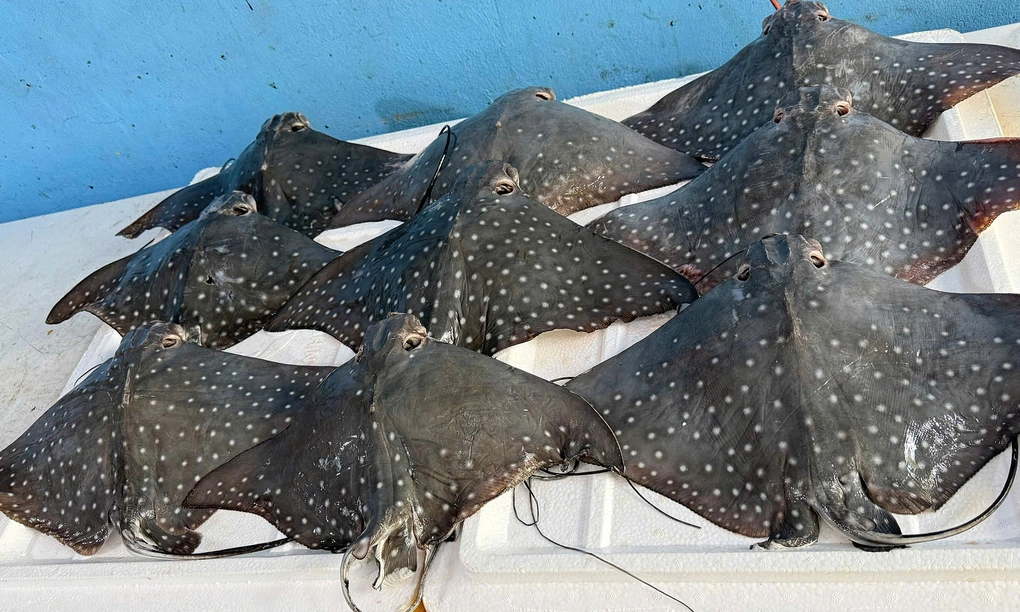
While the total volume of seafood production has seen slight increases due to the expansion of aquaculture, the population of specific wild-caught species—including those in the croaker family—has shown a downward trend. The hắc cáy is particularly susceptible to these pressures because it is not currently supported by industrial breeding programs. The fishing pressure on these populations, combined with climate-related shifts in marine habitats, has led to a situation where the natural regeneration rate cannot keep up with the commercial demand.
Future Outlook and Sustainability
The current trajectory of the hắc cáy market raises significant questions about sustainability. With the price of the fish continuing to climb, there is an increased incentive for aggressive fishing, which could further deplete already fragile stocks.
Fishery management authorities are faced with a complex challenge. While there is no current legislation specifically targeting the protection of the hắc cáy, the broader decline in the total catch of bottom-dwelling fish suggests that strict, science-based quotas or seasonal closures may eventually be necessary.
For the average consumer, the hắc cáy is becoming less of a dietary staple and more of a rare, occasional indulgence. The industry’s inability to transition to a sustainable, large-scale farming model means that the price volatility and supply shortages are likely to persist. Until research into the controlled breeding of this species proves viable, the market will remain hostage to the unpredictability of the ocean, where the effort to catch a single specimen often requires more time and resources than the market can sustainably provide.
As it stands, the hắc cáy serves as a poignant case study for the luxury seafood market in the 21st century: a product that has been elevated by status and scarcity, yet remains profoundly disconnected from the biological realities of the environment from which it is harvested. The ongoing struggle of local merchants to secure even small quantities underscores the fragility of this niche sector and highlights the urgent need for a more sustainable approach to managing the region’s marine biodiversity.