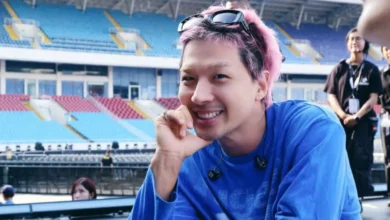
Diem Hang brings art to highland children through the Malena’s Dream Canvas project

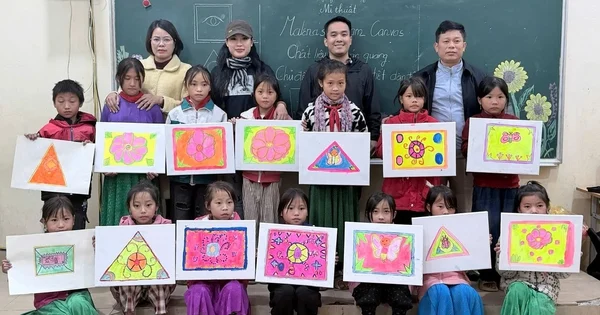
In a remote corner of Tuyen Quang province, specifically at the Lung Thau Semi-Boarding School for Ethnic Minorities, a unique intersection of education and fine arts is taking place. Actress Diem Hang, recognized for her iconic role in the youth drama Nhat Ky Vang Anh, has spearheaded an initiative titled Malena’s Dream Canvas. This project aims to bridge the cultural and educational divide between urban centers and the nation’s most isolated regions, utilizing art as a medium for development and connection.
The Vision of a Mobile Art Gallery
The Malena’s Dream Canvas project is designed as a "mobile art gallery," a concept that defies the traditional notion of stationary exhibitions. By traveling to mountainous, border-adjacent, and remote areas, the initiative seeks to democratize access to creative education.
"We do not merely want to bring art to the community," says Diem Hang. "We want to embed ourselves within these communities to learn from local artisans and traditional craftsmen. Our goal is to synthesize these indigenous values and bring them back into the mainstream art education curriculum in urban areas, creating a two-way exchange of cultural heritage."
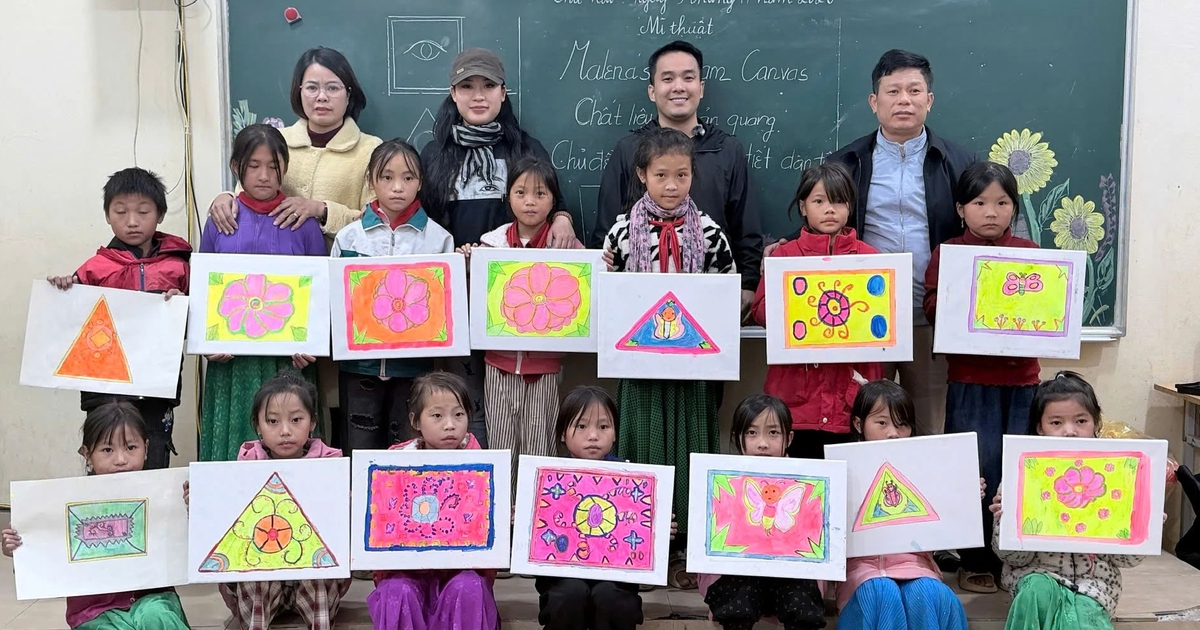
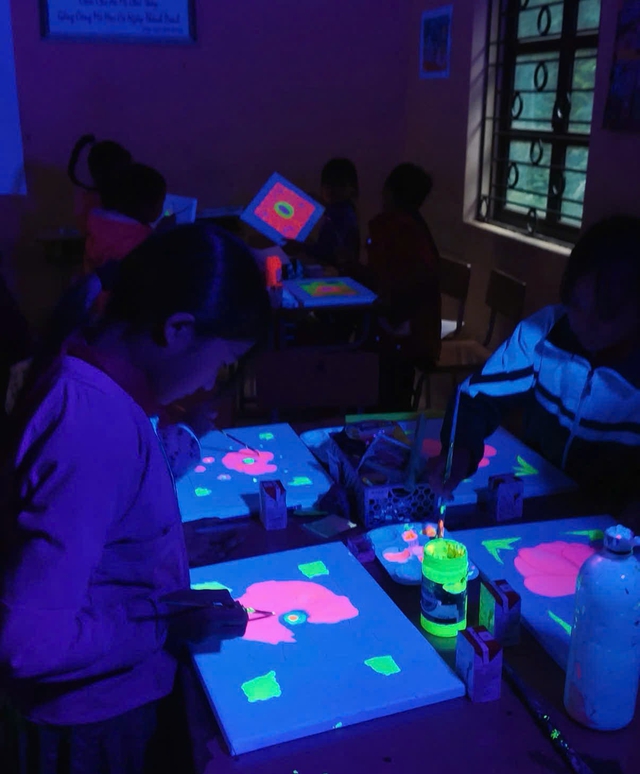
The project avoids the pitfalls of overly complex, theoretical pedagogy. Instead, it prioritizes a tactile, experience-based approach. During the recent excursion to Lung Thau, students aged five to seven were introduced to fluorescent materials—a choice of medium that transformed the standard classroom environment into an immersive, light-responsive laboratory.
Chronology and Methodology of the Outreach
The implementation of the project follows a carefully structured methodology. Rather than imposing a rigid syllabus, the team adapts to the specific environmental constraints of the region.
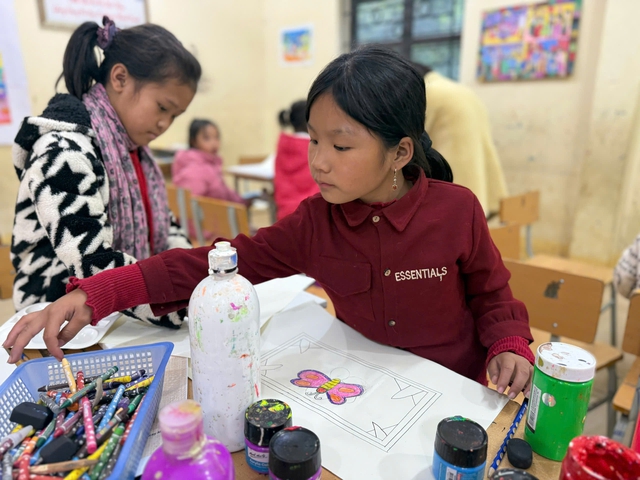
- Phase 1: Immersion and Material Adaptation: The project team spent time observing local artistic traditions and resource availability. Recognizing that standard art supplies like high-quality canvases or paper are often unavailable in remote highland schools, they pivoted to unconventional materials.
- Phase 2: Sensory Engagement: The introduction of fluorescent materials served a dual purpose: it stimulated engagement through visual novelty and allowed students to explore light and shadow, elements that are often overlooked in traditional rural classroom settings.
- Phase 3: Community Synthesis: Following the initial workshops, the team documented the students’ creative processes, intending to showcase these works in urban exhibitions.
- Phase 4: Future Scaling: By December 2026, the project intends to hold a formal exhibition in a major metropolitan center, displaying the collective works of students from various highland provinces.
Bridging the Cultural Divide
The project’s significance lies in its focus on indigenous techniques. By working closely with local craftspeople, the Malena’s Dream Canvas team ensures that the art created by the children is not just an imitation of urban styles, but a reflection of their own heritage.
In one instance, the team worked with local teachers to utilize sustainable, locally sourced materials—such as roasted rice or repurposed cardboard—to construct frames and canvases. This resourcefulness serves as a practical lesson in sustainable art, teaching students that creativity is not dependent on commercial supplies, but on vision and technique.
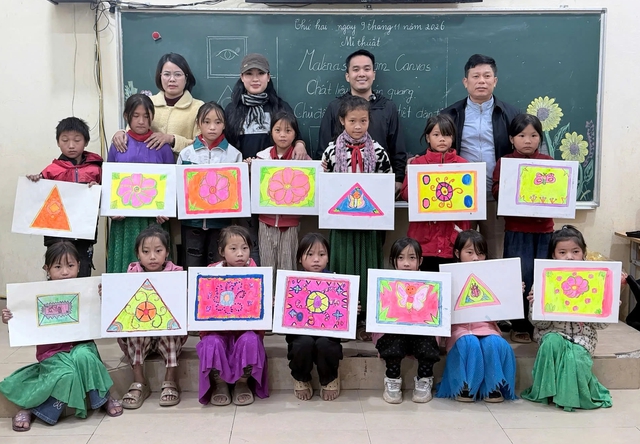
"I was initially concerned that my teaching methods might not resonate with the children in the mountains," Diem Hang admits. "However, I was struck by the natural, innate creativity of these children. Despite the short duration of the sessions, the students produced works with a level of color sensibility and individual expression that was truly profound."
Data and Educational Impact
While formal academic tracking of such arts-based interventions is ongoing, international research in developmental psychology suggests that art education in rural, low-resource settings significantly boosts cognitive development, emotional regulation, and academic retention rates.
Data from the Vietnam Ministry of Education and Training has consistently highlighted the "educational gap" between urban and rural mountainous regions. Initiatives like Malena’s Dream Canvas address this by integrating arts into the extracurricular framework. For schools like the one in Lung Thau, which often lack specialized art instructors, these workshops provide a necessary supplement to the standard curriculum.
The project intends to scale its efforts by creating "Art Hubs" in select border provinces, providing a consistent venue for children to continue their creative journey long after the initial visiting teams depart.
Implications for Future Educational Policy
The broader implication of the Malena’s Dream Canvas project is the potential for a decentralized model of art education in Vietnam. By utilizing "mobile" teams of professionals who can travel to high-altitude schools, the government and private sector can more effectively reach marginalized student populations.
Furthermore, the project serves as a case study for "Cultural Reciprocity." In many educational outreach programs, the exchange is one-sided—urbanites teaching rural students. By prioritizing the learning of traditional techniques from local elders and artisans, the project validates the cultural identity of ethnic minority groups. This fosters a sense of pride and ownership among the students, which is essential for long-term educational engagement.
Looking Toward the 2026 Exhibition
As the project approaches its year-end goal for 2026, the focus has shifted toward logistics and exhibition planning. The upcoming exhibition will not be a typical gallery showcase. It is intended to be an interactive space where the voices of the highland students are amplified.
The organizers plan to pair works from children in different geographical regions to show the diversity of the Vietnamese landscape through the eyes of the next generation. For instance, the aesthetic choices of a student from a Hmong village in Tuyen Quang will be displayed alongside those of a student from the northernmost border provinces, highlighting both the distinct regional identities and the common thread of human expression.
Conclusion
The commitment of figures like Diem Hang to the Malena’s Dream Canvas project highlights a shifting trend in the domestic arts sector: a move away from elite-centric gallery culture toward grassroots, socially engaged art. By focusing on the intersection of light, material, and community, the project is not just teaching children how to draw or paint; it is providing them with a new vocabulary to express their environment and their place within the broader national narrative.
As the program continues to evolve, the challenge will be maintaining consistency and scalability. However, the initial reception in Tuyen Quang indicates that there is both a demand and a profound capacity for creative growth in even the most remote areas of the country. Through the medium of art, Malena’s Dream Canvas is helping to ensure that the voices of highland youth are not just heard, but seen and celebrated.