Ministry of Construction Proposes Speed Limits: Increases on Major Arterial Routes and Tightening on Urban and Mountainous Sections

The Ministry of Construction is currently spearheading a comprehensive review to amend and supplement several articles within Circular 38/2024, which governs maximum speed limits and safe following distances for motor vehicles and specialized motorcycles on national road networks. This legislative initiative introduces a dual-pronged regulatory approach: increasing maximum speed limits on large-scale urban arterial roads and major highways while simultaneously establishing stricter speed constraints on inner-city secondary corridors, residential bypasses, and treacherous mountainous terrain. By tailoring velocity thresholds more precisely to physical infrastructure and operational realities, transport authorities aim to balance traffic efficiency with heightened safety margins across Vietnam’s rapidly evolving transit corridors.
Comprehensive Infrastructure Assessment and Regulatory Drivers
The impetus behind these proposed modifications stems from the rapid expansion of urban centers and inter-regional transport infrastructure over recent years. Under existing regulations, speed limits on urban thoroughfares have traditionally been enforced based on rigid, blanket criteria tied primarily to the presence or absence of physical center medians. Historically, urban roads with rigid medians were capped at 60 kilometers per hour, whereas unmedianed streets were restricted to 50 kilometers per hour, regardless of the road’s engineering capacity or lane allocation.
Transport experts and urban planners have long argued that such one-size-fits-all restrictions fail to capture the true capability of modern multi-lane expressways and newly upgraded national highways. As metropolitan areas sprawl and highway infrastructure undergoes significant modernization, regulatory frameworks must adapt to prevent artificial bottlenecks.
The draft amendments seek to resolve this mismatch by granting competent authorities the legal flexibility to establish variable speed limits tailored to specific lanes, real-time traffic volumes, and localized engineering parameters.
Expanding Speed Caps on Major Arterial Routes and Urban Expressways
Under the newly proposed framework, higher speed thresholds would be legally permissible on a select group of large-scale urban roads and major thoroughfares. Specifically, roads categorized as Grade I, II, or III highways, principal arterial roads, major urban corridors, and inter-district connectors that feature high design standards and substantial physical separation from residential zones could see increased speed limits.
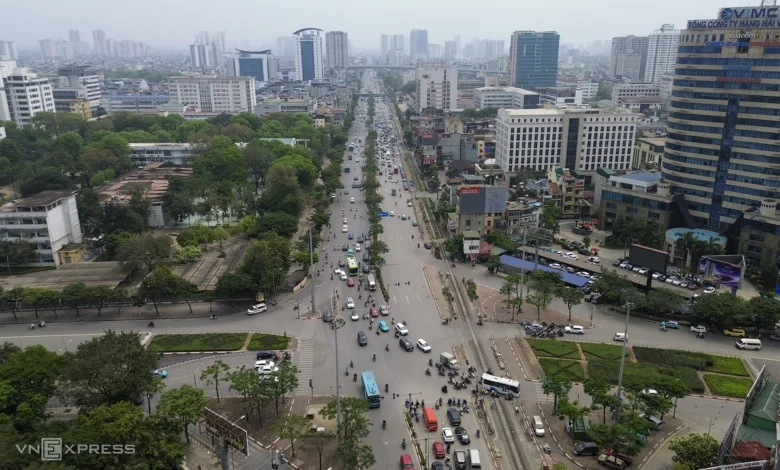
A prominent example highlighting the necessity of this reform is the ongoing expansion project of National Highway 1, particularly the segment stretching from the Cau Giet intersection to the Olympic urban area heading toward Thuong Tin in Hanoi. This critical arterial route has been redesigned with a sprawling ten-lane main configuration—comprising five lanes in each direction—flanked by dual frontage roads, each containing three dedicated lanes. These side service roads effectively segregate motorcycles, motorized two-wheelers, non-motorized vehicles, and pedestrians from high-speed through-traffic operating on the main arterial lanes.
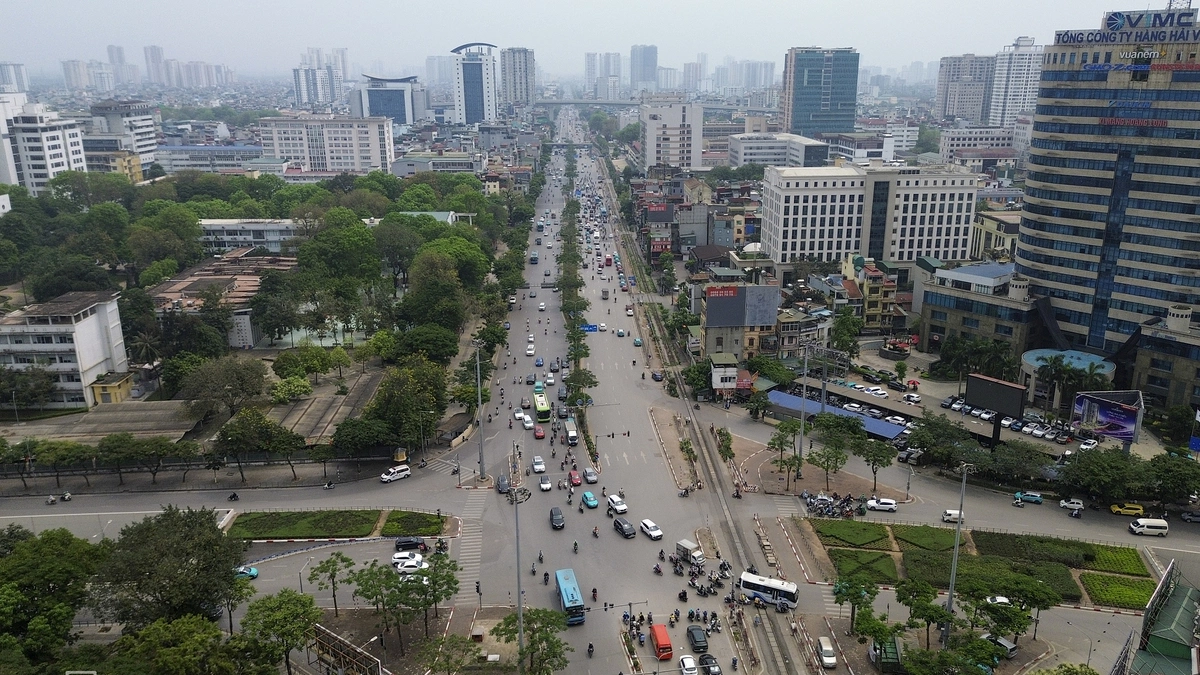
Similarly, several other urban principal arteries engineered to accommodate speeds of up to 100 kilometers per hour currently face artificial throttling under legacy speed caps. The proposed amendments would empower local transport management agencies to evaluate these high-capacity routes individually. If infrastructure integrity, safety barriers, and lane segregation meet strict technical audits, authorities may authorize vehicles to operate at velocities exceeding conventional urban limits, thereby optimizing commuter flow and reducing transit times for millions of daily travelers.
Refining Inner-City Secondary Networks and Residential Bypasses
Conversely, the draft circular addresses a long-standing regulatory grey area by introducing explicit speed restrictions for inner-city secondary networks and connecting routes where mixed traffic creates higher vulnerability. While current regulations inadequately define maximum limits for these localized categories—sometimes conflicting with broader urban parameters under Circular 38/2024—the new provisions set clear boundaries.
Motorized vehicles will be explicitly prohibited from exceeding their designated design speeds on secondary urban corridors. Furthermore, absolute caps of 40 kilometers per hour will be enforced on subdivided urban collector roads, while a strict limit of 30 kilometers per hour will apply to other minor inner-city connecting streets. Transport authorities emphasize that these tighter controls are essential for protecting vulnerable road users, including pedestrians and cyclists, who frequently share space with motorized traffic in densely populated commercial and residential sectors.
Mitigating Risks on Mountainous Passes and Low-Visibility Curves
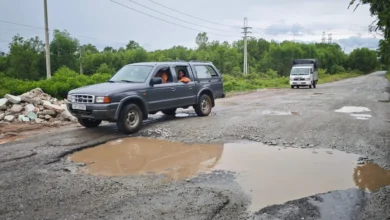
In addition to urban adjustments, the Ministry of Construction is targeting rural and mountainous infrastructure where geographical and topological constraints pose severe safety risks. The draft proposal stipulates a strict speed ceiling of 60 kilometers per hour for Grade IV, V, and VI highways, as well as rural agricultural and communal roads categorized as Class A, B, C, and D, whenever they traverse mountainous passes, sharp horizontal curves, or zones characterized by severely restricted visibility.
Mountainous regions across Vietnam have historically recorded disproportionate numbers of severe traffic incidents due to sudden slope transitions, blind spots, and adverse weather conditions such as dense fog and heavy rainfall. By capping speeds at 60 kilometers per hour or lower—depending on localized technical requirements evaluated by regional management boards—the regulatory framework provides a robust legal basis for enforcing caution. This measure aims to curb the incidence of run-off-road collisions and multi-vehicle pileups on treacherous highland gradients.
Implementation Timeline and Public Consultation Phase
The release of these draft amendments marks a critical milestone in Vietnam’s ongoing transport regulatory reform. The Ministry of Construction has opened the public consultation portal to gather feedback from municipal authorities, transport cooperatives, civil engineers, and individual motorists, with the comment period scheduled to close on November 23.
Following the conclusion of the feedback window, the drafting committee will compile stakeholder responses, refine the technical criteria, and formally submit the finalized circular to the Minister of Construction for ministerial review and promulgation. Current administrative projections indicate that the amended regulations are slated for official approval and implementation by January 2027, giving local departments of transport ample time to update signage, calibrate electronic monitoring systems, and conduct public awareness campaigns across affected regional and urban networks.