Cục An toàn thực phẩm phối hợp Bộ Y tế khẩn trương xử lý vụ 29 công nhân nghi ngộ độc thực phẩm tại Tây Ninh


The Vietnam Food Administration (VFA), operating under the auspices of the Ministry of Health, has issued an urgent directive to the Department of Health in Tay Ninh Province, demanding swift and decisive action following a suspected mass food poisoning incident. The outbreak affected dozens of industrial workers who consumed a communal midday meal at their workplace located in Can Giuoc Commune, Tay Ninh Province.
The incident, which has triggered heightened concern among public health regulators and labor safety officials, underscores ongoing challenges in industrial catering hygiene and food supply chain traceability within Vietnam’s fast-growing manufacturing hubs. Regulatory bodies have mobilized cross-provincial resources to investigate the root cause, treat affected individuals, and prevent any recurrence of similar foodborne illness events in the region.
Overview of the Suspected Mass Food Poisoning Outbreak
The alarming health scare unfolded on November 7, when workers at Yura Corporation Tay Ninh Co., Ltd.—situated within the Long Hau 3 Industrial Park (Phase 1)—began exhibiting acute symptoms of gastrointestinal distress following their lunch break. According to preliminary reports compiled by local health authorities, a total of 29 workers experienced symptoms consistent with bacterial food poisoning, including severe abdominal cramps, nausea, persistent vomiting, diarrhea, and dizziness.
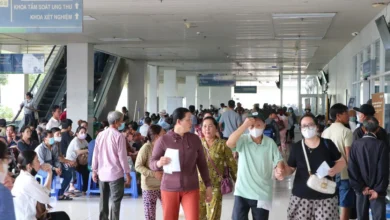
Given the rapid onset and scale of the symptoms among employees who shared the company-provided meal, onsite management and medical personnel immediately intervened. Emergency response protocols were activated, and municipal transit services, alongside private vehicles, were deployed to transport the stricken workers to medical facilities for urgent evaluation and stabilization.
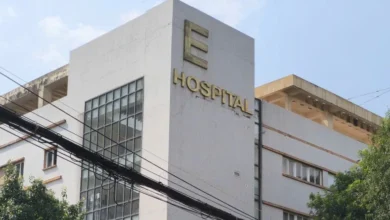
As of November 8, all 29 hospitalized workers remain under close medical observation and are receiving intensive therapeutic care at Nha Be General Hospital, located in Nha Be Commune, Ho Chi Minh City. Medical staff at the facility have reported that while patients presented with acute dehydration and electrolyte imbalances, their conditions have largely stabilized following aggressive fluid resuscitation, symptomatic treatment, and close monitoring. Health officials continue to evaluate the patients to ensure complete recovery and to screen for any long-term gastrointestinal complications.
Immediate Regulatory Response and Inter-Provincial Collaboration
The gravity of the mass illness prompted immediate notification of national oversight bodies. By November 8, the VFA formally dispatched an official written directive to the Tay Ninh Provincial Department of Health, laying out a comprehensive framework for containing the health crisis and establishing accountability.
The VFA’s directive emphasizes a proactive, preventative approach, urging provincial leaders to mobilize all available public health infrastructure. Recognizing the cross-border nature of the supply and treatment chain—where workers employed in Tay Ninh are receiving specialized care across the municipal boundary in Ho Chi Minh City—federal regulators have mandated seamless inter-agency coordination.
Specifically, the Tay Ninh Department of Health has been instructed to forge a joint operational task force with the Ho Chi Minh City Department of Health and the medical board at Nha Be General Hospital. This collaborative network is designed to ensure that clinical resources are pooled effectively, guaranteeing that every patient receives optimal medical management without administrative bottlenecks. Furthermore, provincial health inspectors have been directed to conduct comprehensive epidemiological investigations to trace the exact pathogenic pathway of the outbreak.

Epidemiological Investigation and Supply Chain Traceability
A cornerstone of the directive issued by the VFA is the rigorous tracing of food supply chains. Investigators from the Tay Ninh food safety sub-department, alongside environmental health inspectors, have initiated an exhaustive audit of the catering service provider contracted by Yura Corporation Tay Ninh Co., Ltd.
Inspectors are currently examining every link in the culinary pipeline, from raw material sourcing and agricultural procurement to food preparation, thermal processing, storage conditions, and final transportation to the factory canteen. Food samples, water samples, and biological specimens collected from affected workers have been secured and dispatched to accredited laboratories for microbiological testing, toxin screening, and pathogen isolation (such as Salmonella, Staphylococcus aureus, Bacillus cereus, or Escherichia coli).
In addition to inspecting the main kitchen facilities, regulatory authorities are investigating sub-suppliers who provided specific ingredients—such as meats, vegetables, and pre-processed foodstuffs—consumed during the fateful lunch service. If discrepancies in hygiene standards, improper cold-chain maintenance, or regulatory non-compliance are uncovered, enforcement agencies have vowed to apply strict legal penalties. The VFA has mandated that once the laboratory results are finalized and the definitive cause of the poisoning is established, the findings must be made publicly available to ensure transparency and serve as a deterrent to other industrial catering operators.
Broader Implications for Industrial Workplace Safety
Mass food poisoning incidents within industrial zones present severe humanitarian, economic, and operational challenges. Modern manufacturing facilities, such as those housed within the Long Hau Industrial Park, often rely on centralized mass-catering services capable of preparing thousands of meals daily within tight operational windows. While these large-scale operations achieve economies of scale, they also introduce systemic vulnerabilities; a single hygiene failure at a central processing kitchen can instantly jeopardize the health and safety of hundreds of workers.
The incident at Yura Corporation Tay Ninh has reignited intense public debate regarding corporate social responsibility in employee welfare and the rigorousness of municipal health inspections. Labor unions and industrial park management boards have called for heightened vigilance, suggesting that routine audits of catering contractors should be supplemented by mandatory daily food retention (sample archiving) protocols, advanced hygiene training for kitchen personnel, and real-time temperature monitoring during food transit.
Public health experts note that swift intervention by regulatory authorities, as demonstrated in this case, is critical not only for managing immediate clinical outcomes but also for maintaining public confidence in food safety regulations. By demanding public accountability and transparent enforcement, agencies like the VFA aim to compel industrial caterers to elevate their operational standards permanently.
Preventive Guidelines and Future Outlook
As the investigation progresses, the VFA has reiterated its standing recommendations for all provincial departments of health nationwide to strengthen proactive monitoring frameworks. Local authorities are advised to conduct unannounced inspections of collective kitchens in schools, hospitals, and industrial parks, particularly during transitional weather seasons when high temperatures and humidity accelerate bacterial proliferation in perishable foods.
For employers and enterprise operators, health regulators emphasize the imperative of selecting certified catering partners with verifiable hygiene credentials and robust liability insurance frameworks. Businesses are also encouraged to establish internal food safety committees tasked with daily oversight of canteen sanitation and worker feedback mechanisms.
The collaborative efforts between Tay Ninh and Ho Chi Minh City health authorities in managing the Nha Be General Hospital admissions serve as a benchmark for regional crisis response. As the hospitalized workers steadily recover and return to their families, the conclusive epidemiological report anticipated in the coming weeks will provide definitive answers regarding the specific contaminant, ultimately guiding future policy adjustments to safeguard Vietnam’s industrial workforce against preventable food safety hazards.