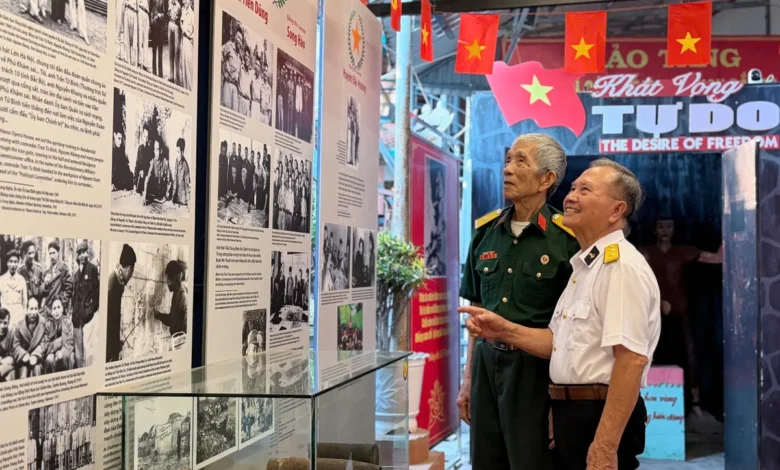
In a quiet corner of the Nam Trieu district in Phu Xuyen, Hanoi, lies a profound testament to Vietnam’s turbulent 20th-century history. Spanning over 2,000 square meters of what was once private residential land, the Museum of Revolutionary Soldiers Captured and Imprisoned (commonly known as the Phu Quoc Veterans’ Museum) stands as a somber monument to the endurance of the human spirit. Founded and maintained by 84-year-old veteran Lam Van Bang, this institution serves not merely as a repository for artifacts, but as a living bridge between the harrowing realities of the past and the collective memory of the present.
The Origins of a Living Memorial
The genesis of this museum is rooted in the personal trauma and subsequent mission of Lam Van Bang. In May 1968, during the height of the Tet Offensive, Bang was captured by enemy forces. His journey took him to the notorious Phu Quoc Prison—a facility infamously dubbed "the hell on earth"—where over 40,000 political prisoners, the vast majority being revolutionary soldiers, were held under brutal conditions.
For four years and eight months, Bang endured systemic torture and deprivation. He was finally released following the signing of the 1973 Paris Peace Accords, returning to North Vietnam with a staggering 81% disability rating. However, the psychological weight of his survival, coupled with the loss of countless comrades, compelled him toward a lifetime of service. Starting in 1985, while serving as the deputy of a joint task force for POWs, Bang dedicated his life to the recovery of the remains of those who perished in captivity.
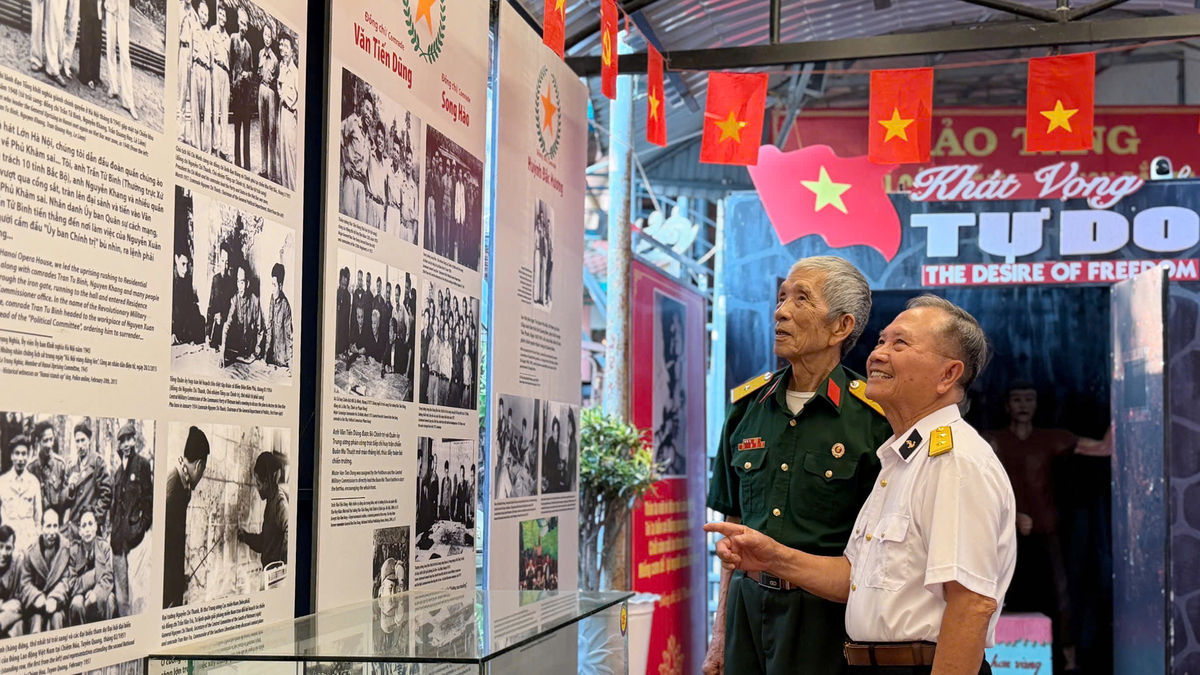
Finding the remains of soldiers—some still shackled in the remnants of their chains—ignited a singular resolve in Bang: to ensure that the stories of those who never returned were not erased by time. By 2006, after years of collecting personal effects, letters, and everyday items from his fellow survivors, the museum was officially established under the provincial authorities of the former Ha Tay province.
Chronology of a Legacy
The evolution of the museum can be traced through several key milestones:
- 1968–1973: The period of imprisonment for Lam Van Bang and thousands of others at Phu Quoc.
- 1985: Bang begins his formal work in searching for and repatriating the remains of fallen comrades.
- 2006: The formal founding of the Museum of Revolutionary Soldiers Captured and Imprisoned.
- 2006–2026: Two decades of expansion, where the collection grew from a small room in a private home to a comprehensive 2,000-square-meter facility housing over 5,000 artifacts.
A Repository of Collective Memory
The museum’s collection is a harrowing archive of the Vietnam War experience. Among the 5,000 artifacts on display are blood-stained diaries, handwritten letters, and the simple bowls used by prisoners during their years of confinement. The museum also features meticulous scale models and reconstructions of the "tiger cages" and various torture methods employed at the prison, narrated by the very men who survived them.
The facility functions on a principle of self-reliance: self-funded, self-managed, and self-guarded. For years, Bang’s family relocated to nearby public housing to accommodate the growing collection, a testament to the family’s dedication to the cause. Today, the museum is supported by a core group of nearly 20 veterans—many of whom are themselves former Phu Quoc prisoners.

The Human Element: Voices from the Frontline
The vitality of the museum lies in its "guides"—veterans like Nguyen Dinh Quoc and Kieu Van Uach. For these men, the museum is not just a place of work; it is a vital part of their post-retirement life and a space for communal healing.
Nguyen Dinh Quoc, 85, travels over 80 kilometers daily by bus from Hoang Mai to Nam Trieu. Captured in 1970 and released in 1973, he has been an integral part of the museum for over a decade. His role extends beyond simple curation; he acts as a bridge for younger generations. When hosting international visitors, Quoc uses modern technology—such as AI translation software on his daughter’s tablet—to bridge language barriers, ensuring that the gravity of the history he shares remains intact.
Kieu Van Uach, 78, describes his daily involvement as essential for his well-being. "I felt lost after retiring," Uach admits. "But coming here, meeting my comrades, and keeping the history alive gives me a sense of purpose and keeps me healthy."
Analytical Implications and Challenges
The existence of the Phu Quoc Veterans’ Museum poses significant questions regarding the preservation of history as the generation that lived it begins to pass away.

Economic Sustainability: Currently, the museum operates on a meager annual budget of approximately 80 million VND (roughly $3,200 USD), which is primarily used for the preservation of artifacts. This financial constraint is a recurring point of concern for the founders. While they have managed to survive through austerity, the long-term maintenance of the facility remains an open question.
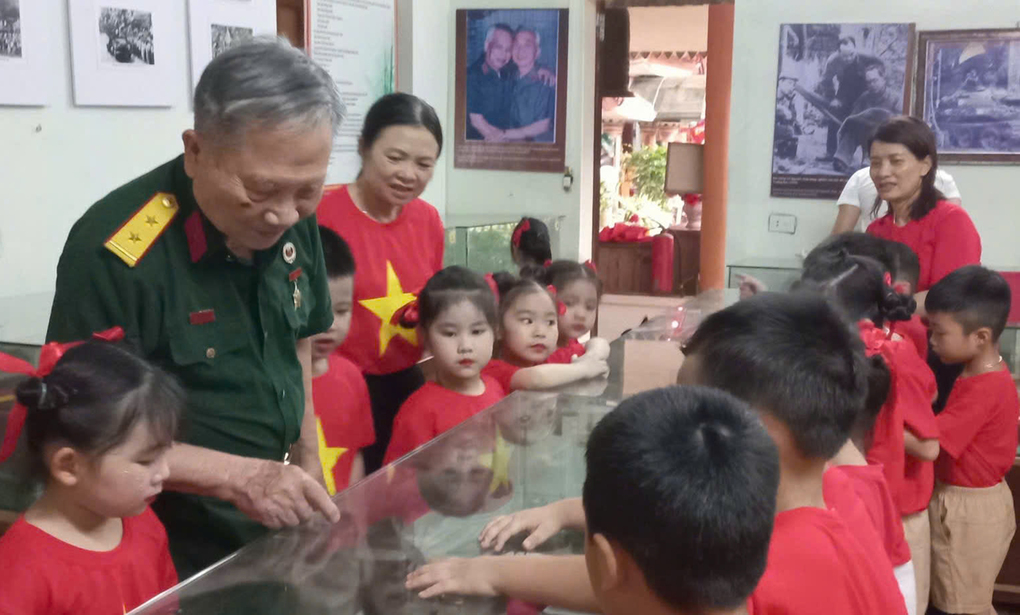
Cultural and Educational Value: The museum serves as a critical educational resource. Schools frequently organize trips to the site, allowing students to learn about the war not through textbooks, but through the lived experiences of those who were on the front lines. The emotional weight of hearing a veteran recount his survival at the age of 85 creates an indelible impact on younger visitors, fostering a deeper appreciation for national history.
Institutional Succession: The most pressing challenge is the issue of succession. Lam Van Bang has often expressed concern about who will take over the museum’s stewardship as the veterans become increasingly frail. The museum is currently a unique hybrid—an institution that is both private in its origins and public in its mission. Transitioning this model into a more sustainable, state-supported structure without losing the "human touch" that defines it is a complex administrative challenge.
Broader Impact
The impact of this museum extends beyond the local community. It serves as a rare space where the complex, often traumatic memories of the war can be processed. For the veterans, the museum provides a safe space to discuss things they could never share with their own children—the "earth-shattering" realities of their time in the cells. It is a place where they find solidarity, not just in their memories, but in the shared goal of ensuring that the cost of peace is never forgotten.
As the museum enters its third decade, it stands as a testament to the resilience of the men who survived the impossible. Whether it is through the meticulous preservation of a rusted bowl or the story of a soldier’s return, the museum is a vital organ of national memory. As Bang and his peers look toward the future, their primary concern remains the preservation of the truth—a mission they have pursued with unwavering resolve for nearly twenty years. They do not view their sacrifice of time, land, and money as a loss, but as an investment in the collective identity of the nation.
Related posts: