The Kremlin’s Stance on Diplomatic Engagement
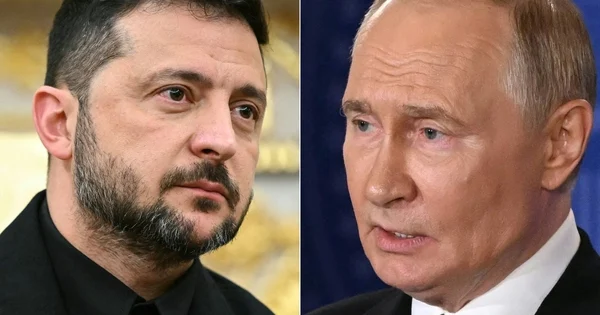
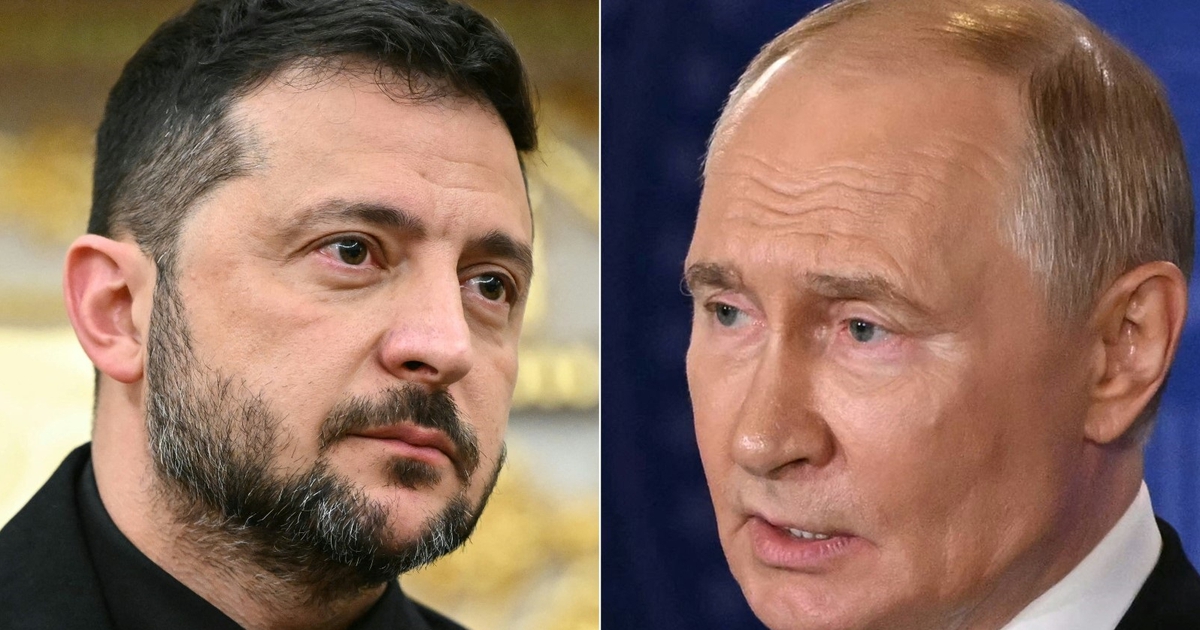
On November 1, 2026, Yury Ushakov, a senior aide to the Kremlin, addressed media inquiries regarding the potential for a direct communication line between Russian President Vladimir Putin and his Ukrainian counterpart, Volodymyr Zelensky. Speaking with journalist Pavel Zarubin, Ushakov clarified the Kremlin’s position on diplomatic engagement.
"I believe he [Putin] would certainly answer. President Putin has never rejected calls for dialogue," Ushakov stated, as reported by TASS. The Kremlin aide further emphasized that if President Zelensky wishes to engage in direct discussions with the Russian leadership, he is entirely free to travel to Moscow. According to Ushakov, Zelensky has been signaling his willingness to talk through various intermediaries, yet he has not taken the step of initiating a direct visit to the Russian capital to formalize these intentions.
Proposed Trilateral Negotiations
Beyond the prospect of a direct telephone call, the Kremlin has outlined its vision for the framework of future peace negotiations. Ushakov proposed that the initial rounds of talks should be structured as a trilateral dialogue, involving the United States, Russia, and Ukraine.
While the Kremlin remains open to the participation of European representatives, Ushakov asserted that the fundamental process must begin with this three-party core. This insistence on a specific format underscores Russia’s view of the conflict as a broader confrontation involving Western security architecture, rather than a localized border dispute.
Dmitry Peskov, the official spokesperson for the Kremlin, echoed this sentiment while adding a layer of skepticism regarding the current involvement of European nations. Peskov suggested that while European representatives could potentially be present at the negotiating table, their current approach—which he characterized as consistently hostile toward Moscow—precludes productive dialogue. According to the Kremlin, the prevailing anti-Russian rhetoric emanating from various European capitals makes diplomatic progress nearly impossible under the current conditions.
Contextualizing the Diplomatic Landscape
The statements from Ushakov and Peskov arrive at a critical juncture in the ongoing conflict. For months, the international community has been searching for a path toward a sustainable ceasefire, with various neutral nations attempting to mediate.
The mention of upcoming negotiations in Abu Dhabi, United Arab Emirates, highlights the ongoing, albeit slow, efforts to establish a venue for high-level contact. President Zelensky previously indicated that such discussions might materialize in mid-November 2026. However, the exact timing and venue remain fluid, contingent upon shifting regional dynamics in the Middle East and the outcomes of political cycles in the West.
Observers have noted that the timing of these diplomatic maneuvers is closely linked to political shifts in the United States. With the aftermath of the U.S. midterm elections serving as a focal point, the international community is bracing for potential changes in American foreign policy priorities. Washington’s role in providing military aid—such as the recent approval of 500 Patriot interceptor missiles for Ukraine—remains a significant factor that both complicates and drives the urgency of these potential talks.
Chronology of Recent Diplomatic Tensions
The path toward any potential negotiation has been marked by a series of escalations and diplomatic standoffs:
- Late October 2026: Reports emerge regarding potential trilateral peace talks to be held in Abu Dhabi, intended to address the long-term resolution of the Russia-Ukraine conflict.
- October 28, 2026: President Zelensky publicly confirms the possibility of mid-November talks, contingent upon international verification and logistical stability.
- November 1, 2026: Yury Ushakov issues a public invitation for Zelensky to visit Moscow, framing it as the most direct route to meaningful negotiation.
- November 1, 2026: Kremlin spokesperson Dmitry Peskov reaffirms that European participation is secondary to the primary Russia-US-Ukraine dialogue, criticizing the current European stance as a barrier to peace.
Data and Strategic Realities
The conflict in Ukraine continues to exert immense pressure on global security and economic stability. Military support remains a cornerstone of the Western strategy, with the United States recently authorizing the sale of 500 Patriot interceptor missiles to bolster Ukraine’s air defense capabilities. This move reflects a continued commitment to strengthening Kyiv’s position on the battlefield, even as the Kremlin continues to push for direct, high-level engagement on its own terms.
Economic sanctions, energy security, and the persistent threat of escalation remain the primary drivers of the global conversation. Analysts point out that the "trilateral" requirement proposed by the Kremlin is a strategic move to center the United States as the primary interlocutor. By sidelining European influence, Moscow aims to negotiate from a position that treats the conflict as a global power struggle, rather than a regional territorial dispute.
Analyzing the Implications of Kremlin Rhetoric
The invitation for Zelensky to travel to Moscow is a significant departure from standard diplomatic protocol, which usually involves preliminary staff-level meetings in neutral territories. Analysts suggest that the public nature of these comments serves multiple purposes:
- Domestic Signaling: By portraying Russia as "always open to dialogue," the Kremlin aims to maintain the narrative that the continuation of the conflict is a choice made by Kyiv and its Western allies, rather than a failure of Russian diplomacy.
- Strategic Testing: Proposing a trilateral format that excludes or minimizes the EU forces European powers to reconsider their diplomatic leverage. It creates a wedge between the strategic interests of Washington and Brussels.
- Pressure on Kyiv: By framing the "visit to Moscow" as the ultimate test of sincerity for peace, the Kremlin places the burden of proof on President Zelensky, knowing that such a move would be politically fraught within Ukraine’s domestic political climate.
The Path Forward: Obstacles to Peace
Despite the rhetoric from both sides, significant hurdles remain. Ukraine has consistently maintained that any peace agreement must include the restoration of its territorial integrity and the withdrawal of Russian forces. Conversely, Russia has consolidated its administration over annexed territories and shows no sign of reversing its strategic objectives.

The lack of an official response from Kyiv, Washington, or Brussels regarding the latest comments from Ushakov and Peskov suggests a period of intense deliberation. With the U.S. political landscape in flux and the conflict reaching a potential stalemate in terms of front-line movement, the prospect of negotiations appears to be shifting from a remote possibility to a strategic necessity.
However, as long as the fundamental prerequisites for peace—sovereignty versus security, and neutral mediation versus direct negotiation—remain diametrically opposed, the "phone call" remains a metaphor for a communication gap that is yet to be bridged. Whether the proposed Abu Dhabi talks serve as the catalyst for a breakthrough or simply another diplomatic exercise will depend on the willingness of all parties to move beyond public posturing and engage in the substantive concessions required to end the hostilities.
Broader Geopolitical Impact
The global repercussions of this conflict remain severe. Energy prices, food security in the Global South, and the stability of global supply chains are all intrinsically linked to the duration of the war. Every diplomatic signal, such as the one sent by the Kremlin on November 1, is scrutinized by international markets and foreign ministries alike.
As the international community waits for further developments, the rhetoric from the Kremlin underscores a reality: Russia is attempting to redefine the terms of engagement. By insisting on a trilateral framework and questioning the legitimacy of European involvement, the Kremlin is looking to rewrite the rules of international diplomacy in the region.
Whether this leads to a tangible de-escalation remains to be seen. For now, the world watches as the diplomatic chess match continues, with the possibility of a direct line between Moscow and Kyiv remaining, for the moment, a hypothetical scenario rather than a diplomatic reality. As the winter months approach, the pressure for a resolution will only intensify, forcing all parties to evaluate whether the time for negotiation has truly arrived or if the conflict is destined for a further, more protracted phase of attrition.