Oppo has officially entered the competitive compact tablet market with the launch of the Oppo Pad Mini, a device that distinguishes itself through a specialized 8.8-inch matte OLED display and premium hardware specifications. Priced at 25 million VND, the device is positioned as a direct challenger to the iPad mini 8, specifically targeting professionals and power users who require a high-performance, portable workstation capable of handling demanding productivity tasks and multimedia consumption in varied lighting environments.

Design and Display Innovation
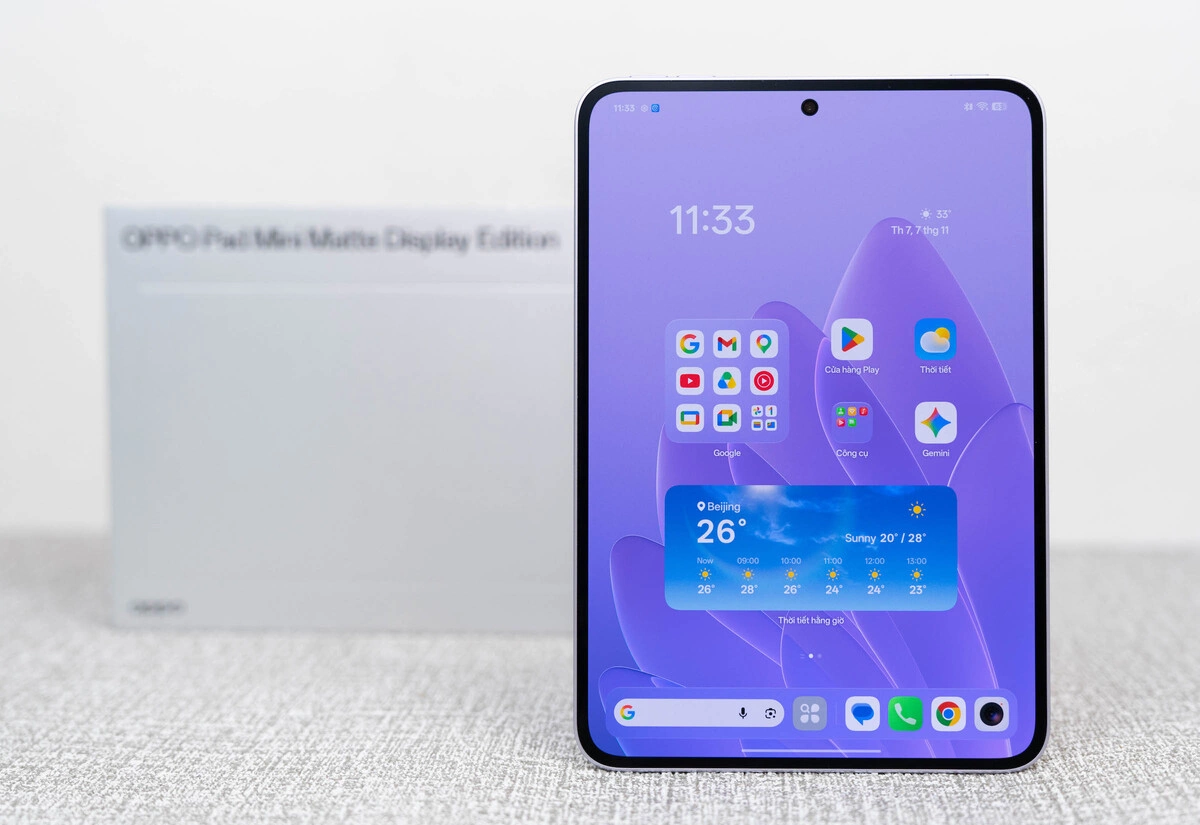
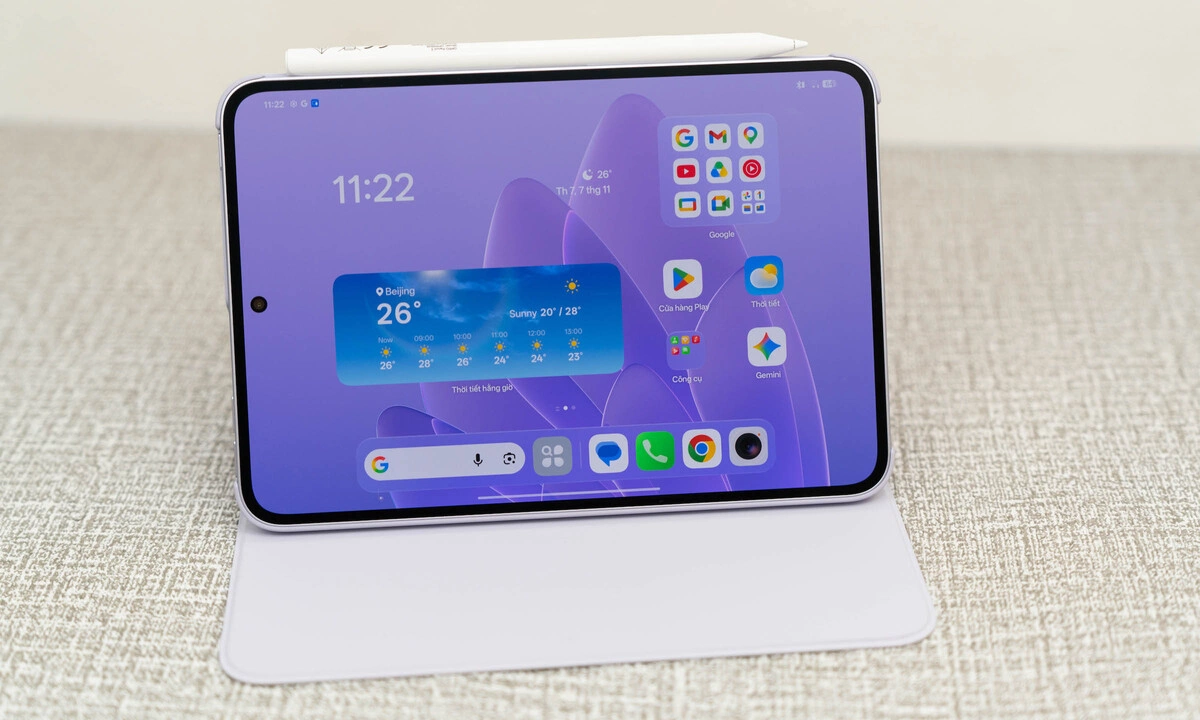
The most striking feature of the Oppo Pad Mini is its display technology. By incorporating an 8.8-inch OLED panel with 2.5K resolution, the company has prioritized visual clarity and color accuracy. The screen reaches a peak brightness of 3,200 nits, ensuring visibility in direct sunlight, while a 144 Hz refresh rate provides a fluid user experience that surpasses the 60 Hz standard found in many contemporary compact tablets.
The integration of a matte finish on the screen surface serves two purposes: it effectively minimizes glare and eliminates reflections from strong light sources. Furthermore, the implementation of a 3,840 Hz PWM dimming frequency is designed to mitigate eye strain during prolonged usage sessions. The texture of the matte surface provides a tactile "friction" that mimics the feel of writing on paper, which, when paired with a stylus, significantly enhances the experience for digital artists and note-takers. This surface treatment also offers improved resistance to fingerprints compared to traditional glossy glass displays.
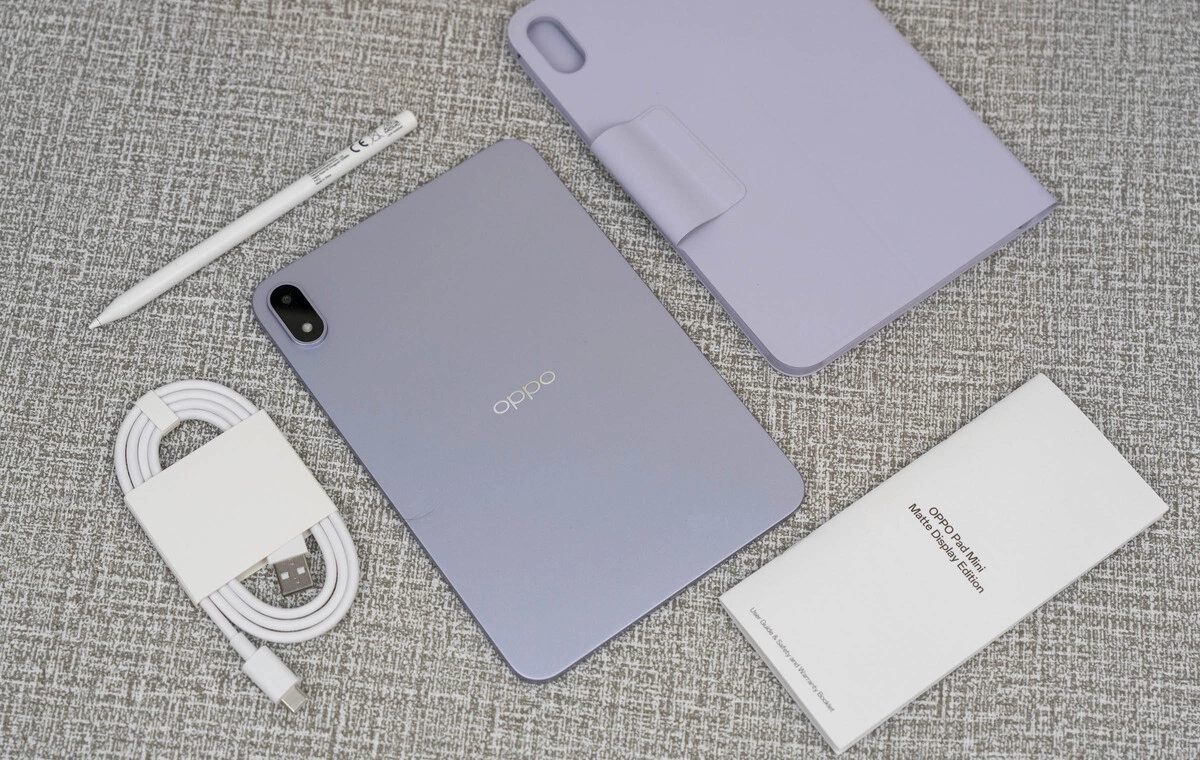
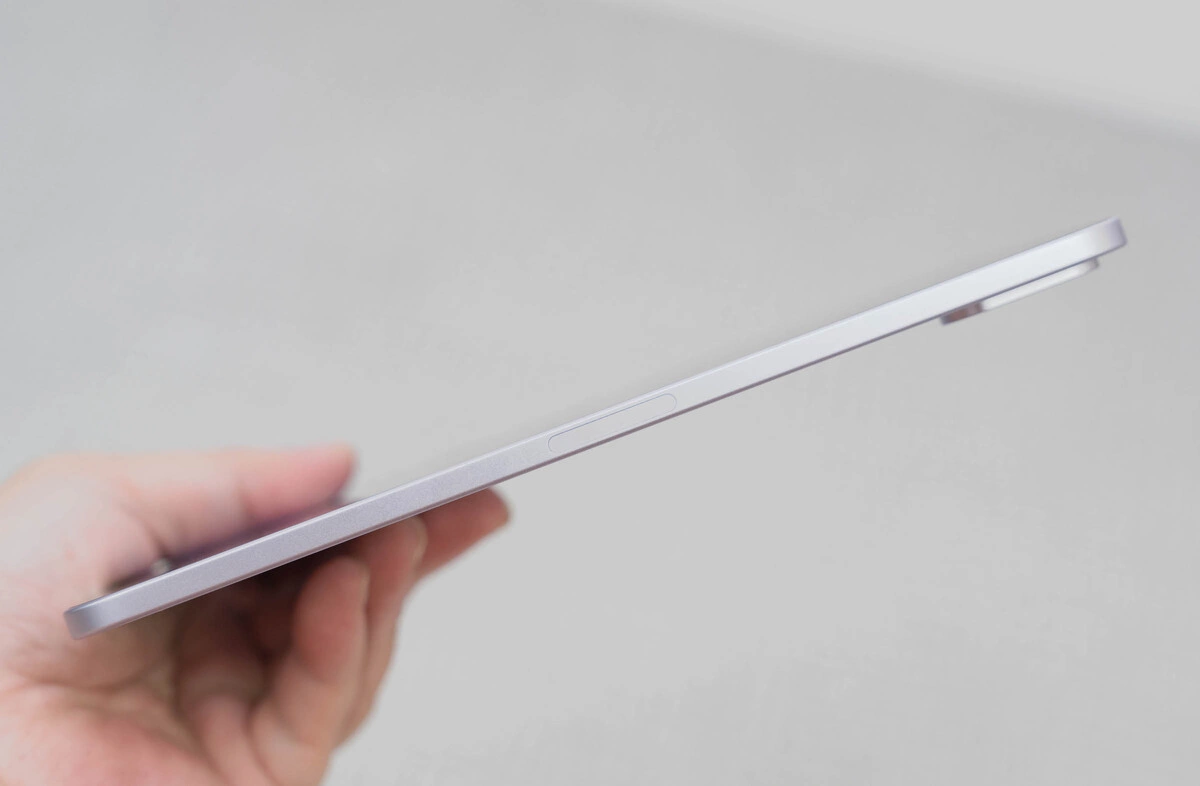
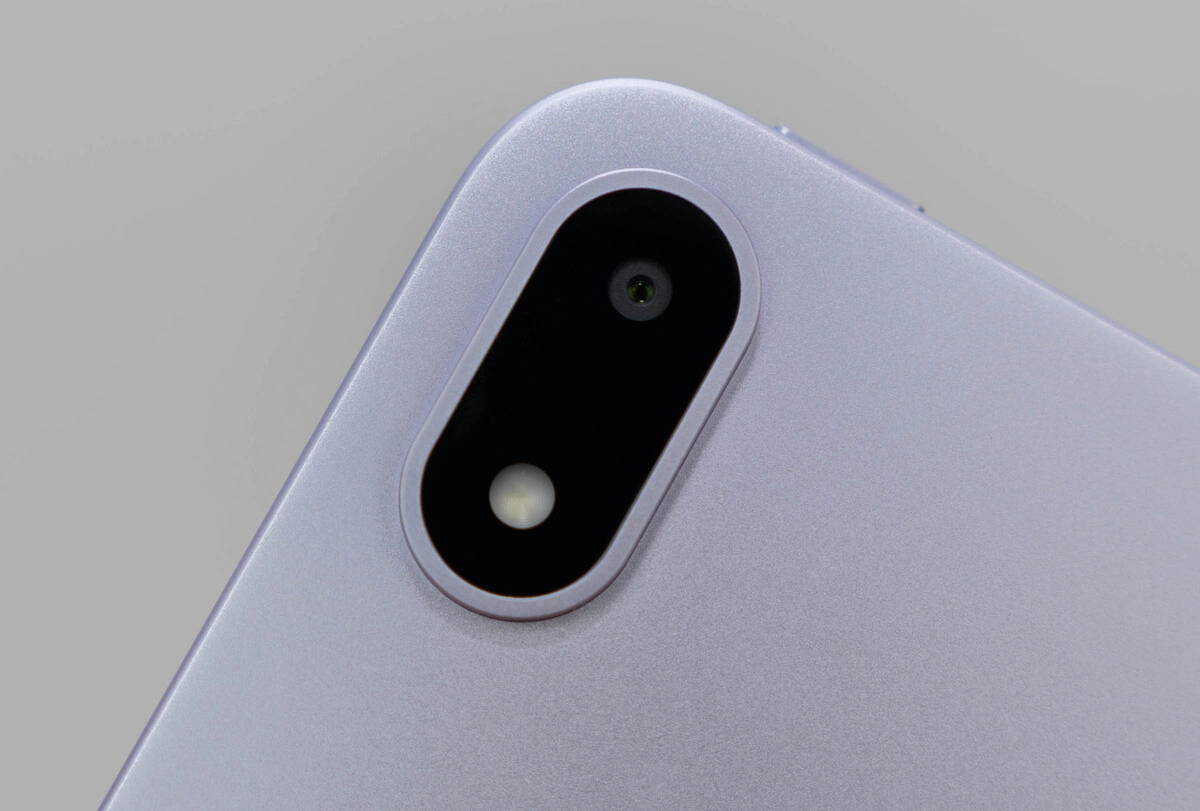
Physically, the device is crafted from a single block of aluminum with a frosted finish that maintains the device’s minimalist aesthetic. Measuring 194.38 x 132.38 x 5.46 mm and weighing 282 grams, the tablet is designed for ergonomic, one-handed operation. Its dimensions are remarkably similar to the iPad mini 8, yet it manages to pack a larger battery and more complex display architecture into a comparable footprint.
Hardware Performance and Internal Architecture
Under the hood, the Oppo Pad Mini is powered by the Snapdragon 8 Gen 5 processor, built on a 3 nm fabrication process. This is complemented by 8 GB of LPDDR5X RAM and 256 GB of UFS 4.1 internal storage. Benchmarks and real-world testing suggest that the tablet is highly capable of managing intensive multitasking, including split-screen workflows and demanding mobile gaming. While titles like Arena of Valor and PUBG Mobile run flawlessly, more graphically demanding titles such as Genshin Impact show occasional frame drops, though the performance remains stable.
The thermal management system features a large-area vapor chamber (VC) cooling solution. This infrastructure is essential for maintaining sustained performance during long gaming sessions or heavy AI processing tasks, preventing the thermal throttling that often plagues smaller devices. In contrast to Apple’s A20 Pro chip, which utilizes a 2 nm process, the Snapdragon 8 Gen 5 represents a formidable alternative in the Android ecosystem, though it faces stiff competition in raw processing power.
Software Ecosystem and AI Integration
The tablet runs on ColorOS 16, which has been optimized for tablet-specific multitasking. The operating system supports multiple pop-up windows and a fluid interface that mimics desktop-class productivity. A significant focus of this release is the integration of artificial intelligence features. The companion Pencil 3 supports advanced AI capabilities, including:
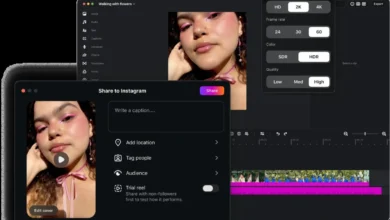
- AI Sketch: Automatically transforms rough hand-drawn sketches into polished, finalized artwork.
- AI Write & Summary: Provides real-time text editing, proofreading, and automated summarization of recorded audio or long documents.
- Mind Space: A productivity tool that mirrors the functionality found on Oppo smartphones, ensuring a seamless continuity of workflows across devices.
Additionally, the O+ Connect application allows for seamless data transfer and connectivity with Windows PCs and Apple devices, a move that suggests Oppo is attempting to capture a broader market segment by removing the "walled garden" barriers often associated with tablet ownership.
Camera and Battery Performance
The device features a 13-megapixel rear camera and an 8-megapixel front-facing sensor. While not intended to replace dedicated photography equipment, these sensors are well-suited for document scanning, video conferencing, and quick snapshots. The front camera incorporates specialized algorithms to stabilize facial features during video calls, ensuring a professional appearance.

Perhaps the most impressive technical achievement is the inclusion of an 8,000 mAh silicon-carbon battery. This chemistry allows for higher energy density, providing nearly 15 hours of continuous video playback. The device supports 67 W SuperVOOC fast charging, capable of reaching a 50% charge in approximately 25 minutes. Furthermore, the tablet includes a "bypass charging" feature, which powers the internal components directly while bypassing the battery, preventing overheating during intensive tasks or gaming while plugged in. By comparison, the iPad mini 8 relies on a 4,900 mAh battery with 37 W charging, offering roughly 10 hours of video playback.
Market Context and Strategic Implications
The release of the Oppo Pad Mini at the 25 million VND price point marks a significant escalation in the premium tablet wars. By choosing to launch in the Vietnamese market with a single, high-specification configuration (8 GB/256 GB), Oppo is betting on the appeal of its hardware superiority—specifically the OLED screen and battery life—over the established dominance of the iPad mini series.
Industry analysts note that this device represents a shift in the Android tablet market, which has historically struggled to provide a compelling alternative to Apple’s compact tablet offerings. The reliance on AI features and specialized display technology suggests that manufacturers are moving away from mere spec-sheet wars toward offering a "total experience" that includes tactile feedback and integrated productivity software.
The absence of a fingerprint sensor—relying instead on facial recognition—has drawn some criticism regarding biometric security compared to traditional sensors or Apple’s FaceID. However, the accuracy and speed of the facial recognition system are reportedly robust, even when the device is held in landscape orientation.
Future Outlook
As of November 8, 2026, the Oppo Pad Mini is available with a comprehensive package including a protective case, a stylus, and an 80 W charger. The inclusion of these accessories adds significant value to the purchase price, potentially swaying consumers who would otherwise have to purchase these items separately for competing tablets.
The success of the Oppo Pad Mini will likely depend on the company’s ability to continue optimizing third-party applications for the tablet’s aspect ratio and the ongoing development of its AI software ecosystem. As mobile computing continues to favor smaller, more portable form factors, the Pad Mini serves as a clear indicator of the direction in which the industry is heading: high-fidelity displays, AI-augmented productivity, and aggressive battery management. Whether it can effectively erode Apple’s market share in the compact sector remains a subject of ongoing observation, but it is clear that Oppo has delivered a device that, at the very least, raises the bar for Android-based tablets in the current fiscal year.