Cambodia’s Historic Triumph in SEA V.Cup Signals a New Era for Regional Volleyball Dominance

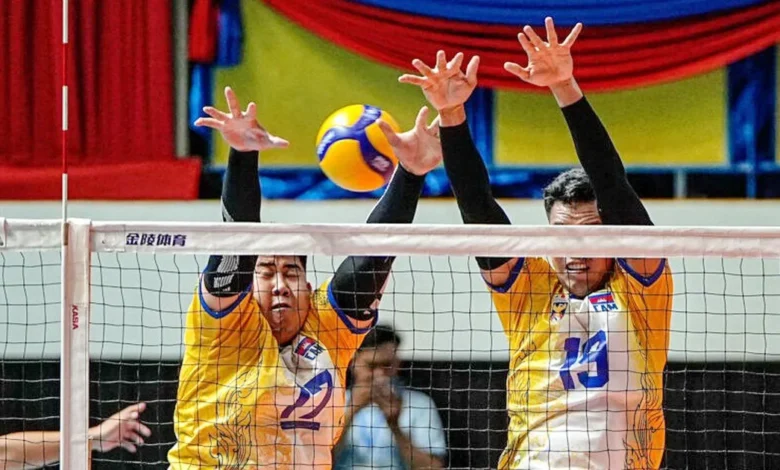
Phnom Penh, Cambodia – The Cambodian men’s national volleyball team has achieved an unprecedented milestone, securing a historic victory in the first leg of the 2026 SEA V.Cup. This landmark triumph marks a significant shift in the competitive landscape of Southeast Asian volleyball, as Cambodia successfully overcame perennial regional powerhouses Indonesia and Thailand, who had previously dominated the tournament. The victory is not merely an upset but the culmination of a strategic, decade-long investment in player development, coaching expertise, and a robust domestic league system, positioning Cambodia as a formidable contender for regional supremacy.
The Ascent of Cambodian Volleyball: A Historical Context
For years, the SEA V.Cup, a premier regional volleyball tournament held twice annually, has been a battleground predominantly featuring Indonesia and Thailand. Across six previous editions, these two nations were the sole champions, each having claimed three titles. Their consistent performance established a clear hierarchy within Southeast Asian men’s volleyball, with other nations like Vietnam and the Philippines striving to break into this exclusive club. Cambodia, while showing promise, had historically been outside the top tier of contenders.
However, the recent win in the 2026 SEA V.Cup is not an isolated incident but rather the latest achievement in a steady upward trajectory for Cambodian volleyball. The team first hinted at their burgeoning potential at the 31st SEA Games, where they secured a bronze medal, a significant achievement for the nation. This was followed by an even more impressive silver medal at the 32nd SEA Games, demonstrating a consistent improvement and a growing ability to compete at the highest regional level. These back-to-back podium finishes set the stage for their latest triumph, signaling that Cambodia is no longer just a participant but a genuine challenger to the established order. Their ability to defeat both Thailand and Indonesia in the same tournament, a feat previously unaccomplished by any other emerging team in the SEA V.Cup, unequivocally underlines their new status.
Strategic Foundation: The Chinese Coaching Influence
A cornerstone of Cambodia’s rapid development can be attributed to a sustained and strategic partnership with Chinese volleyball expertise. The foundation for this success was laid under the guidance of Chinese head coach Li Jun, who dedicated approximately nine years to the Cambodian national team. During his extensive tenure, Li Jun was instrumental in transforming the team’s capabilities, leading them to their bronze medal at the 31st SEA Games, followed by the silver medal at the 32nd SEA Games. His leadership also saw the team clinch the SEA V.League Challenge 2024, a tier-below tournament that serves as a crucial stepping stone for teams aiming to compete in the main SEA V.Cup.
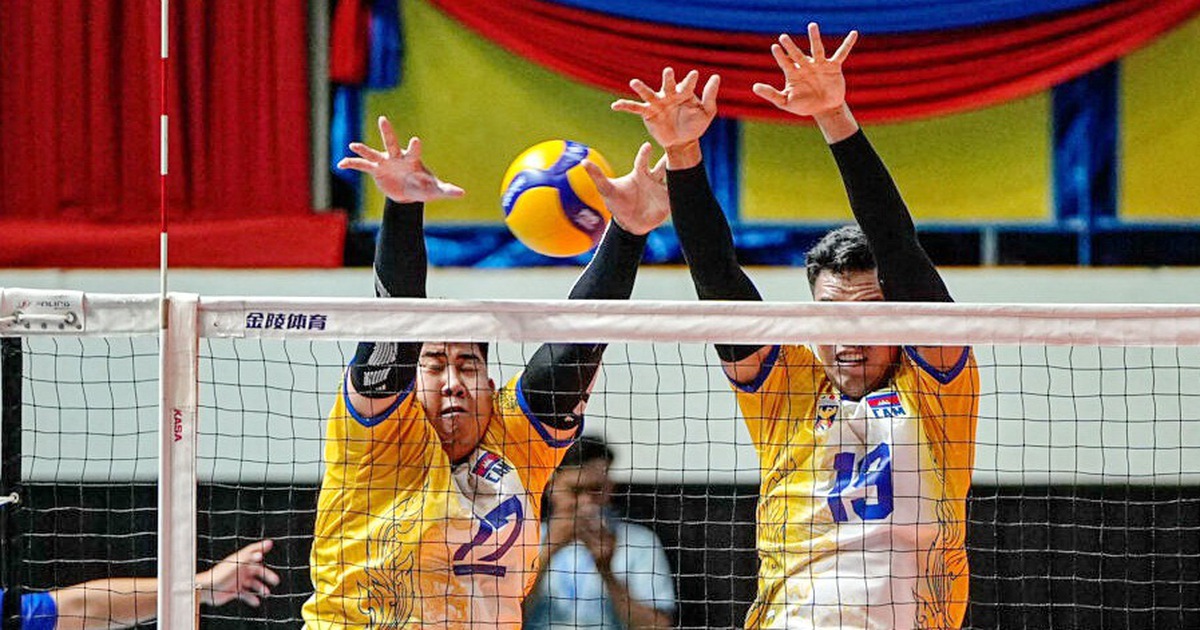
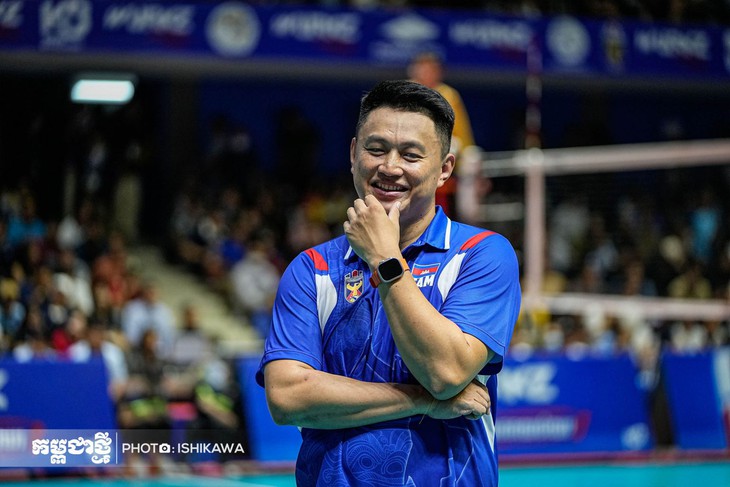
Li Jun’s departure in March 2026 could have posed a significant challenge, potentially disrupting the team’s momentum. However, the Cambodian Volleyball Federation demonstrated foresight and a commitment to continuity by promptly appointing another Chinese coach, Li Huanning, as his successor. Li Huanning brings a wealth of international experience, having previously worked with prominent teams such as Shanghai Youth, Chinese Taipei, the Vietnamese national team, Hong Kong, and various club teams in Indonesia and the Philippines. This seamless transition ensured that the team maintained consistency in its disciplinary approach, training culture, and tactical organization, preventing any major setbacks in their development path.
Cambodian media, including publications like Kampuchea Thmey, have noted that Li Jun’s departure was not due to any internal conflict or dissatisfaction. Instead, it was viewed as the successful completion of a crucial developmental phase, allowing for a new leader to take the helm at an opportune moment. This strategic succession planning highlights Cambodia’s adeptness at leveraging international support, particularly from China, a nation renowned for its strong volleyball programs, to build a resilient and competitive national team.
Nurturing Talent: The Techo League’s Impact
Beyond foreign coaching expertise, a critical factor in Cambodia’s ascendancy is the establishment and development of its domestic league, the Techo League. Launched in 2024 with eight participating clubs, the Techo League has been instrumental in providing a consistent and high-quality competitive environment for Cambodian players. The league’s third season in 2026, which ran from mid-May to early July, strategically concluded just before the SEA V.Cup, ensuring that national team players entered the international competition with optimal match fitness and rhythm. This structured approach contrasts sharply with previous methods, where national team members often had only short, intensive training camps before international tournaments, lacking the sustained competitive exposure crucial for elite performance.
A particularly innovative aspect of the Techo League is its flexible policy regarding foreign players. In its inaugural season, the league attracted numerous athletes from volleyball-rich nations such as Indonesia, Vietnam, and Cuba, who joined Cambodian clubs. For the 2026 season, the rules were further refined, allowing each team to register up to seven foreign players and utilize three on the court at any given time. This policy has been lauded by Cambodian players like Phol Ratanak, who emphasized the invaluable learning opportunity it provides. Ratanak noted that playing alongside foreign professionals exposes Cambodian athletes to a higher level of play, including faster ball speeds, more sophisticated blocking techniques, and increased pressure in rallies, thereby accelerating their development. This weekly immersion in a more demanding competitive environment has demonstrably elevated the skill level and tactical acumen of local players.
The Fan Factor: A Passionate Home Crowd
The growth of Cambodian volleyball is also inextricably linked to the burgeoning enthusiasm of its fan base. The Techo League, from its very first season, has consistently enjoyed packed stadiums for every match. This fervent support is a testament to the deep-seated passion for volleyball among the Cambodian populace, a passion that has simmered for a long time and has now found a vibrant outlet in the professional league.
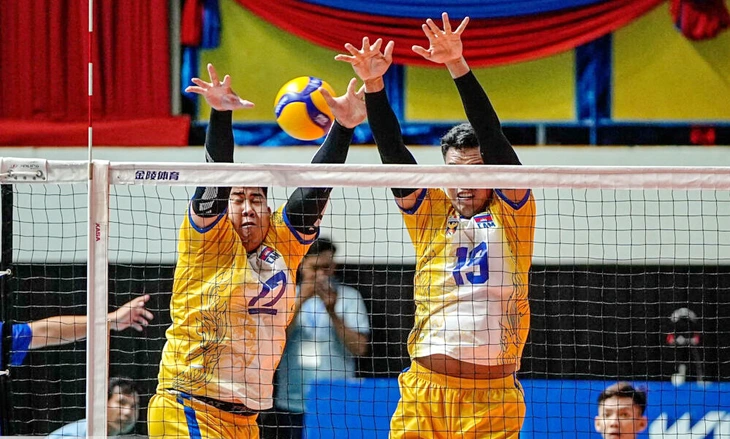
The electrifying atmosphere generated by the home crowd not only boosts player morale but also contributes significantly to the overall development of the sport. Large, engaged audiences attract sponsorships, media attention, and ultimately, more resources for grassroots development. This symbiotic relationship between a developing league and an enthusiastic fan base creates a positive feedback loop, fueling further growth and engagement within the volleyball community. The widespread popularity of "phủi" volleyball, referring to informal, grassroots play, further underscores the nation’s inherent love for the sport, providing a broad base from which future talents can emerge.
Investing in Expertise: Coach Development Programs
Recognizing the need for sustainable, long-term growth, the Cambodian Volleyball Federation has also invested heavily in developing its local coaching talent. In 2025, in collaboration with FIVB (Fédération Internationale de Volleyball), the federation hosted a crucial Level C coaching course. Led by FIVB expert Dusan Jarotta, the intensive program trained 45 participants from over 30 clubs and units across the country.
The Cambodian Volleyball Federation has openly acknowledged the past deficit of internationally certified coaches within the nation. However, they view these coaching development initiatives as a strategic pathway for clubs to independently cultivate their own pool of standardized, high-caliber players. By empowering local coaches with advanced knowledge and methodologies, the federation aims to create a self-sustaining ecosystem for talent development, reducing reliance on foreign expertise in the long run and ensuring that the sport’s growth is deeply rooted within the national infrastructure. This commitment to educational investment reflects a holistic approach to building a robust volleyball program from the ground up.
Key Players and Their Contributions
The recent SEA V.Cup triumph was also powered by the emergence of exceptional individual talents and the strategic return of seasoned veterans. One such standout is middle blocker Voeurn Veasna, a formidable 1.98-meter tall athlete whose professional experience in Taiwan has honed his skills to an international standard. While playing for Win Streak in Taiwan, Veasna secured two championship titles and numerous individual awards, showcasing his prowess. His impact was undeniable in the 2026 SEA V.Cup, where he was deservedly crowned both the tournament’s Most Valuable Player (MVP) and the Best Opposite Spiker, a testament to his dominant performance.
Equally critical, and perhaps even more immediate in its impact, was the return of veteran setter Soun Channaro. Channaro had retired in 2024 due to fatigue, at a time when his potential successor lacked sufficient international experience. His decision to return to the national squad proved to be a masterstroke. As an experienced organizer of the offense, Channaro possesses an intimate understanding of each hitter’s preferences and habits. Crucially, his calm demeanor and extensive experience allow him to make precise adjustments during matches and accurately assess the strengths and weaknesses of regional opponents. His pivotal role was recognized with the Best Setter award for the tournament’s first leg. Channaro’s return perfectly illustrates the Cambodian Volleyball Federation’s adaptive strategy: while committed to building new structures and fostering new talent, they are not averse to leveraging proven expertise and integrating valuable "old values" when strategically beneficial, thereby balancing innovation with stability.
Analysis: A New Era for Southeast Asian Volleyball
Cambodia’s triumph in the 2026 SEA V.Cup is more than just a fleeting moment of glory; it is a clear indicator of a profound shift in the regional volleyball landscape. While the element of "surprise" undoubtedly played a role in their initial success, the underlying factors – a decade of dedicated development, strategic coaching, a burgeoning domestic league, passionate fan support, and investment in local expertise – suggest a sustainable model for growth.
Historically, Southeast Asian men’s volleyball has largely been a contest between Indonesia, Thailand, the Philippines, and Vietnam. Cambodia’s breakthrough victory not only adds a new formidable contender to this group but also challenges the complacency that might have settled among the traditional powerhouses. It demonstrates that with consistent investment, a clear long-term strategy, and the willingness to learn from international partners, emerging nations can indeed compete and even surpass established programs. This victory serves as a powerful inspiration for other developing sporting nations in the region, proving that the path to regional dominance is not exclusive.
Looking Ahead: The Path to Sustained Success
For Cambodia, the challenge now lies in maintaining this momentum and solidifying their position as a top-tier team. Sustained success will require continued investment in the Techo League, ensuring its quality and reach. Further international exposure for players, whether through professional contracts abroad or regular participation in high-level tournaments, will be crucial. The continued development of local coaches and sports scientists will also be vital to ensure a self-reliant and progressive volleyball program.
This historic win has not only brought immense national pride but has also shone a spotlight on Cambodia’s potential to become a significant force in regional sports. It remains to be seen how Indonesia, Thailand, and other regional competitors will adapt to this new challenge, but one thing is clear: the era of predictable outcomes in Southeast Asian men’s volleyball is over, and Cambodia stands at the forefront of this exciting new chapter.