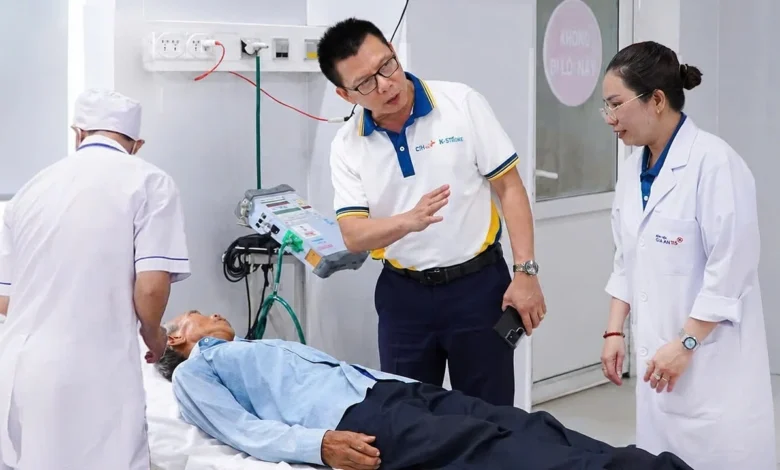
In a dramatic turn of events that underscores the unpredictable nature of cardiovascular emergencies, a 60-year-old man from Quang Ngai province suffered a sudden, life-threatening myocardial infarction while awaiting his turn at a charitable medical screening event. The incident, which occurred during a humanitarian health outreach program, highlights both the critical importance of early diagnostic intervention and the vital role played by mobile medical missions in underserved regions.
The Anatomy of an Emergency
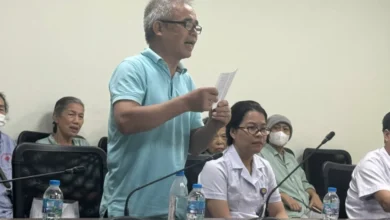
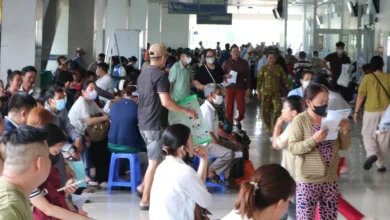
The patient, whose identity has been withheld for privacy, had been experiencing intermittent episodes of chest discomfort for approximately three days prior to the screening. Dismissing the pain as a minor ailment, he sought no professional medical attention until he arrived at the charitable clinic in Quang Ngai. The event, organized by a coalition of organizations including the Vietnam Youth Federation of Quang Ngai, the Hoa Lam Foundation, the Ho Chi Minh City Health Science Association, and the Gia An 115 and City International Hospitals, was designed to provide free medical access to those in difficult economic circumstances.
As the patient waited in line, his condition deteriorated rapidly. He reported a sudden, acute onset of severe chest pain accompanied by profuse sweating—a classic clinical presentation of an impending myocardial infarction. Medical staff on-site quickly measured his vital signs, revealing a hypertensive crisis with a blood pressure reading of 180/100 mmHg.
Chronology of Intervention
The response was immediate and coordinated. Dr. Tran The Vinh, a specialist at the Department of Cardiology at City International Hospital, performed an on-site electrocardiogram (ECG). The results showed significant ST-segment elevation, a definitive indicator of an ST-elevation myocardial infarction (STEMI)—a condition where a coronary artery is completely blocked, cutting off blood flow to a portion of the heart muscle.
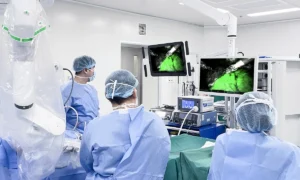
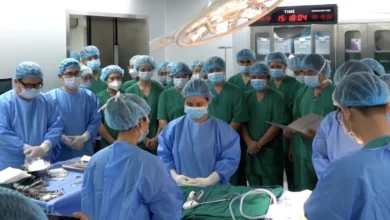
Recognizing the gravity of the situation, the team initiated an emergency transfer protocol. The patient was rushed to the Quang Ngai General Hospital for urgent specialized care. Subsequent diagnostic imaging at the facility confirmed the severity of the blockage: two major coronary arteries were found to be 95-99% occluded, leaving the patient on the verge of total cardiac failure. Surgeons performed a successful stent placement procedure to restore blood flow. Following the operation, the patient recovered in the intensive care unit and has since been reported as stable, showing no further symptoms.
The Silent Killer: Understanding Myocardial Infarction
Myocardial infarction, commonly known as a heart attack, remains one of the leading causes of morbidity and mortality worldwide. According to data from the World Health Organization (WHO), cardiovascular diseases are responsible for approximately 17.9 million deaths annually. In the context of a STEMI, the "time is muscle" principle applies—every minute that passes without blood flow increases the extent of permanent heart muscle damage.
The patient’s case is a textbook example of why symptom recognition is vital. While the "classic" symptom is intense, crushing chest pain, medical literature indicates that many patients—particularly those who are elderly, diabetic, or female—may experience "atypical" symptoms. These include unexplained fatigue, palpitations, shortness of breath, or pain in the upper abdomen. In this specific instance, the patient’s three-day delay in seeking help nearly proved fatal, as the vessels had reached a critical threshold of occlusion.
The Role of Charitable Medical Outreach
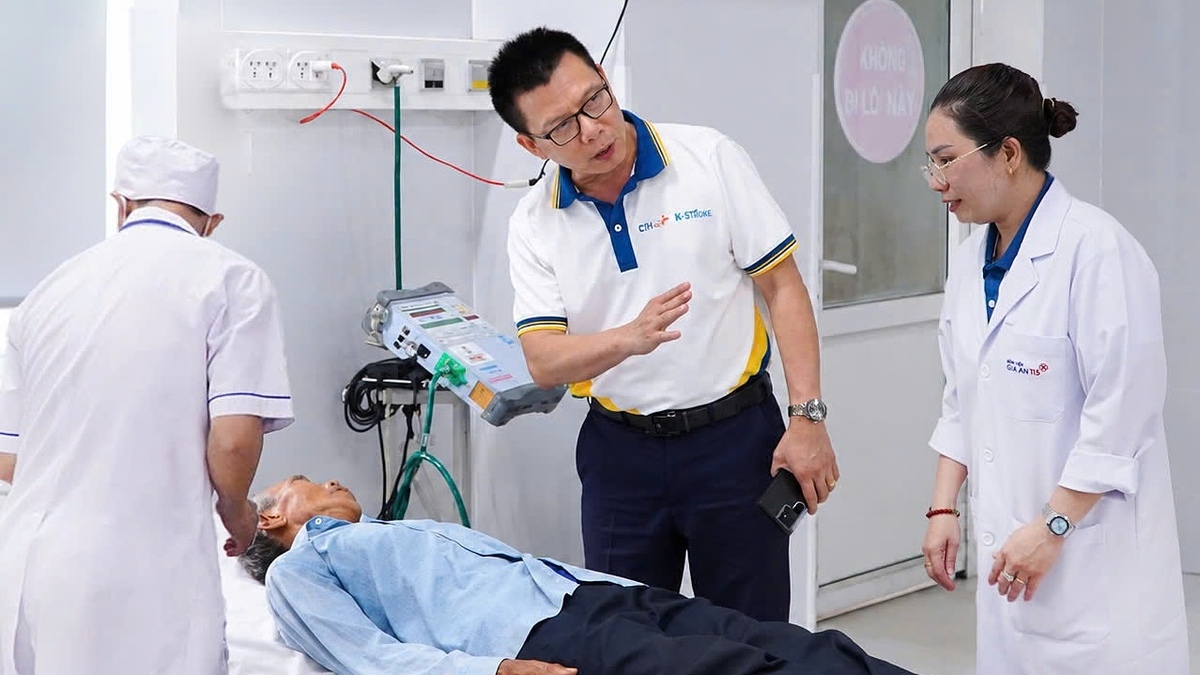
The success of this emergency intervention can be attributed to the presence of high-level medical professionals at a community outreach event. Charitable medical missions often act as a critical safety net in rural or economically disadvantaged areas where access to high-tech diagnostic equipment is limited.
The High-Tech Medical Zone of Ho Chi Minh City, which supported the operation, provided full coverage for the costs associated with the emergency surgery and subsequent care. This financial support was pivotal, as the patient’s economic situation would otherwise have made such advanced intervention prohibitively expensive. This collaboration between public health entities and private medical providers serves as a model for how to bridge the healthcare gap in developing regions.
Implications for Public Health Policy
The incident has prompted medical experts to reiterate the necessity of routine cardiovascular screening for individuals over the age of 50, particularly those with lifestyle risk factors such as long-term tobacco use, hypertension, and sedentary habits.
"The patient is a fortunate survivor, but his case serves as a stern warning," says Dr. Vinh. "Many people ignore the early warning signs, attributing chest discomfort to indigestion or stress. By the time they reach a hospital, the damage may already be irreversible."
From a policy perspective, the event emphasizes the need for:
- Enhanced Public Awareness: Campaigns focusing on the early recognition of heart attack symptoms, particularly in rural populations.
- Standardization of Emergency Protocols: Ensuring that charitable mobile clinics are equipped with basic life-saving diagnostic tools like ECG machines and have direct, fast-tracked referral pathways to regional hospitals.
- Preventive Screening Programs: Shifting the focus from reactive emergency care to proactive health screenings that identify blockages before they reach a near-total occlusion state.
Clinical Advice and Future Precautions
Following his discharge, the patient has been advised to adhere strictly to a regimen of antiplatelet medications and lifestyle modifications, including smoking cessation and a heart-healthy diet. Cardiology experts emphasize that self-medicating or "waiting out" symptoms is the most dangerous course of action. When an individual experiences symptoms suggestive of a heart attack, the immediate action should be to seek professional help at the nearest medical facility.
The survival of this patient serves as a testament to the efficacy of timely, professional intervention. It remains a poignant reminder that while advancements in interventional cardiology—such as stenting—are miraculous, the most critical factor in survival remains the patient’s decision to seek help at the first sign of distress. As programs like these continue to reach into the heart of provinces like Quang Ngai, the integration of emergency preparedness with community health outreach will remain an essential component of the national strategy to reduce cardiovascular mortality.