Stepping Stone Toward a New Era: The Strategic Dimensions of the US-China Summit in Washington DC

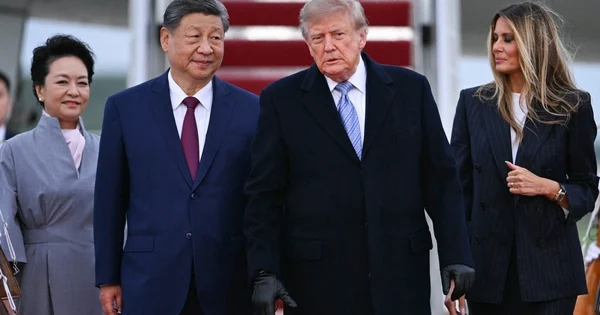
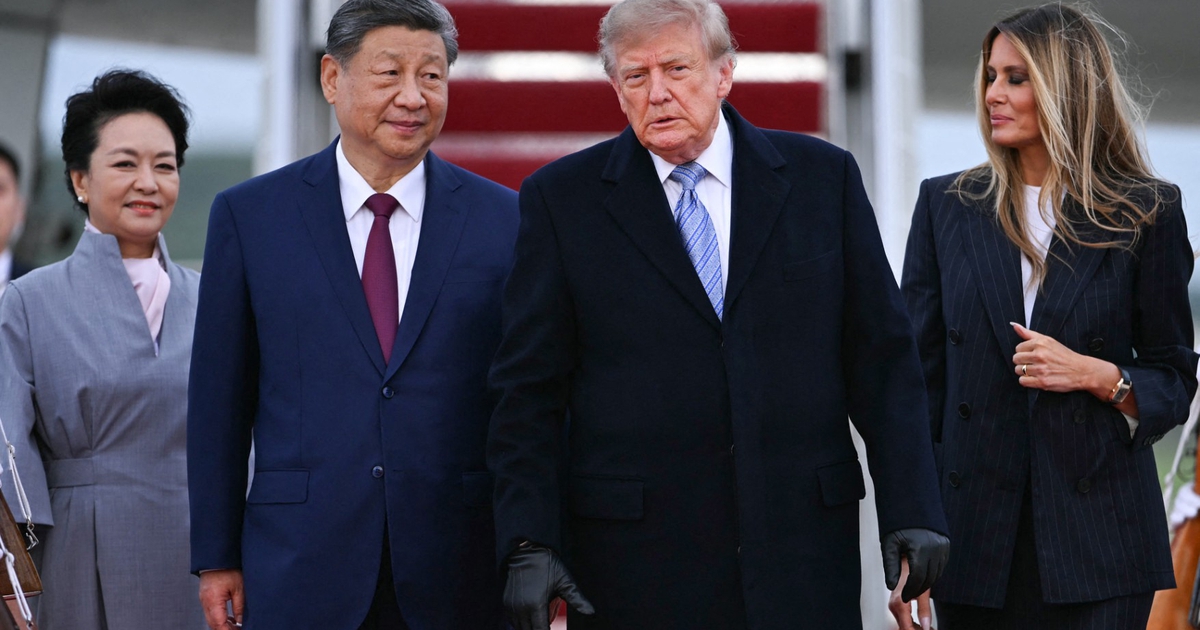
The arrival of Chinese President Xi Jinping in Washington D.C. on September 24, 2026, marked a significant milestone in international diplomacy, signaling a pivotal shift from the adversarial rhetoric that has characterized US-China relations for over a decade. This high-level summit, the first such visit by a Chinese leader to the United States in eleven years, comes on the heels of President Donald Trump’s visit to Beijing in May. The meeting is widely viewed by geopolitical analysts as a critical effort to stabilize the world’s most consequential bilateral relationship, potentially resetting the tone for global economic and security cooperation.
A Diplomatic Reset: Moving Beyond Confrontation
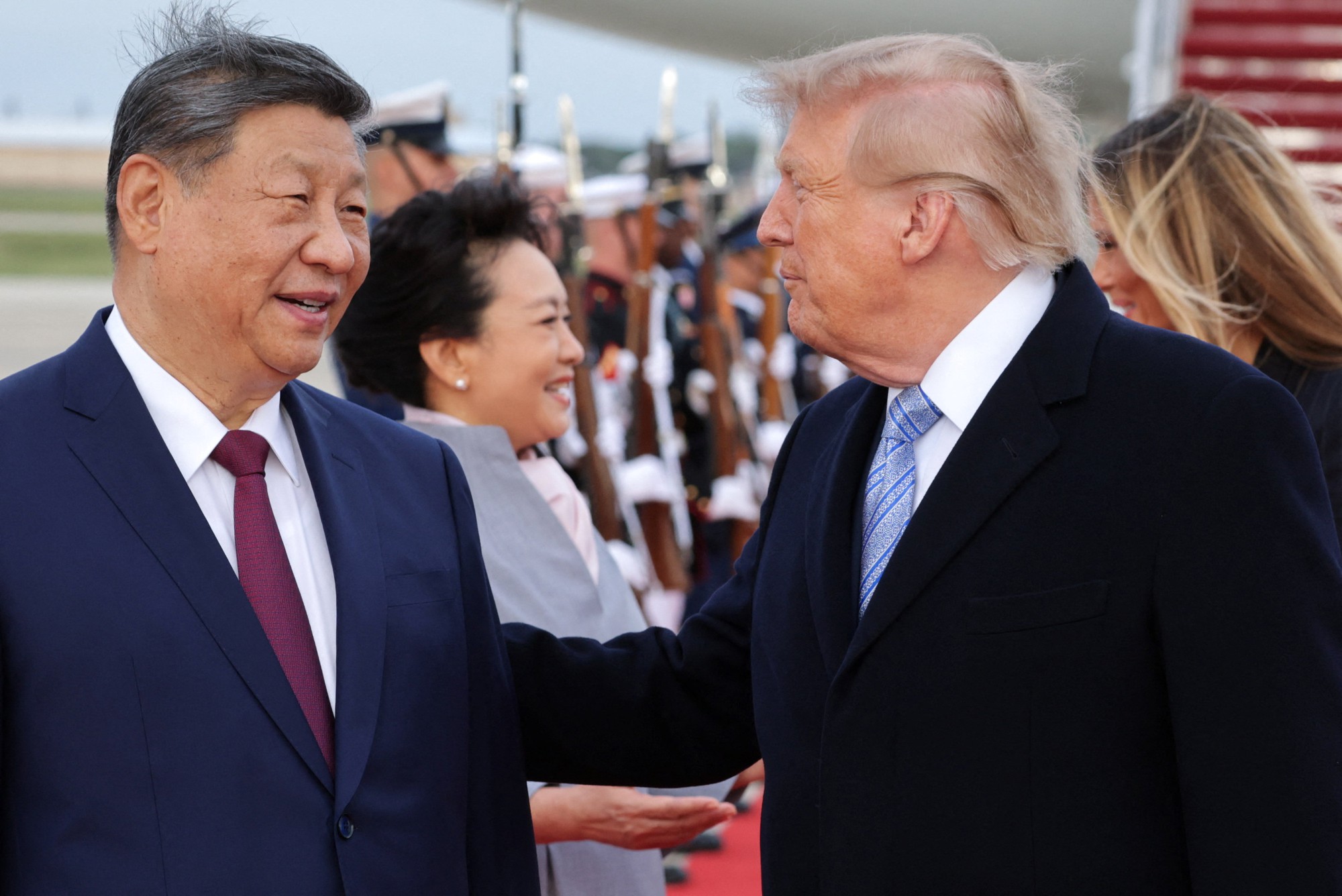
The atmosphere surrounding this summit has been carefully managed through a series of optimistic diplomatic exchanges. Upon his arrival, President Xi emphasized a core narrative: that China and the United States should function as partners rather than adversaries. "As major nations, we carry a responsibility to our citizens and the global community to manage our differences," Xi noted in his initial address. He highlighted the long-standing tradition of people-to-people exchange and the deep integration of the two economies, suggesting that the success of one nation inherently benefits the other.
This rhetoric marks a departure from the "decoupling" or "de-risking" narratives that have dominated policy discussions in recent years. Instead, the focus has shifted toward finding common ground on global challenges, ranging from climate change and public health to the regulation of emerging technologies. The shift is not merely symbolic; it is a pragmatic recognition that the systemic rivalry between the two powers is exhausting both economies and creating global instability.
Chronology of Recent Engagements
The path to this week’s summit was paved by a flurry of high-level meetings throughout 2026.
- May 2026: President Donald Trump traveled to Beijing, where both leaders agreed to establish more consistent communication channels to avoid misunderstandings in the South China Sea and Taiwan Strait.
- August 2026: Treasury Secretary Scott Bessent and his Chinese counterparts held extended negotiations, culminating in a preliminary trade "truce" that prevented the imposition of new tariffs on consumer electronics.
- Mid-September 2026: Foreign Minister Wang Yi met with US Secretary of State Marco Rubio to finalize the agenda for the summit, specifically focusing on the establishment of a "hotline" for AI safety and crisis management.
- September 24, 2026: President Xi Jinping arrives in Washington D.C., officially commencing the two-day summit.
The Economic Imperative: Trade and Market Access
Central to the summit’s agenda is the recalibration of the economic relationship. US Trade Representative Jamieson Greer has indicated that both sides are moving toward progress in expanding market access for agricultural products and reducing non-tariff barriers. The recent decision to extend the trade truce by two months, until January 10, 2027, has provided a window of opportunity for negotiators to discuss lowering tariffs on over $30 billion worth of goods that were previously subject to trade penalties.
Economic data indicates that the cooling of trade tensions is a priority for both administrations. With global inflation concerns and supply chain vulnerabilities remaining high, both the US and China have recognized that a trade war serves neither side. The "truce" is intended to provide businesses with the stability needed to make long-term investment decisions, though it remains to be seen whether these temporary measures can evolve into a long-term, comprehensive trade agreement.
Establishing Guardrails for Emerging Technology
Perhaps the most significant development from the meetings between Secretary Rubio and Foreign Minister Wang Yi is the proposal to establish a direct communication mechanism regarding Artificial Intelligence (AI). Both nations are currently in a technological arms race, yet there is a growing consensus that unchecked deployment of advanced AI could lead to catastrophic misunderstandings or unintended consequences in military and financial sectors.

Drawing parallels to the "hotline" established during the Cold War to prevent nuclear escalation, the proposed AI mechanism would serve as a real-time channel for warning of risks or anomalies within AI-driven systems. This is a critical step in "managing the risks" of a new era of warfare and economic competition, ensuring that the rivalry remains within controlled, non-destructive boundaries.
Broader Geopolitical Implications and Global Stability
For the international community, the US-China thaw is a welcome development. As the two largest economies in the world, their ability to cooperate has a direct impact on global supply chains, international law, and the stability of global financial markets. By maintaining open lines of communication, Washington and Beijing are effectively creating a "safety net" for the global economy.
Analysts suggest that "diplomatic normalcy" has become the new anchor for the relationship. While the two nations remain deeply divided on issues of ideology, governance, and regional security, the willingness to sit down and negotiate suggests a shift in strategy. The focus has moved from attempting to force the other to change their political system to finding a "modus vivendi"—a way to live together despite fundamental differences.
Market Reactions: A Cautious Optimism
Despite the positive diplomatic signals, financial markets reacted with a degree of volatility on September 24. Investors in both the US and Asia exhibited caution, largely due to the absence of high-level Chinese corporate leadership in the delegation accompanying President Xi. Market observers noted that without a strong business contingent, the likelihood of immediate, large-scale commercial contracts is lower than some had anticipated.
Furthermore, investors remain wary of potential legal pressures on the tech sector. With both governments scrutinizing the development and regulation of AI, the market is waiting for concrete policy details before fully committing to a rally. "The diplomatic thaw is positive, but the market is looking for the ‘meat on the bone’—specific regulations and trade guarantees," remarked one senior analyst at a global financial firm.
Looking Ahead: The Challenges Remaining
While the summit marks a successful "opening act," the road ahead remains fraught with complexity. The fundamental competition for global influence continues. Issues such as the status of the South China Sea, the ongoing technological competition in semiconductors, and differing approaches to human rights remain unresolved.
However, the change in tone from "rivals" to "partners" is a deliberate tactical shift. It allows both President Trump and President Xi to pursue domestic agendas that rely on international stability while signaling to their respective constituents that they are effectively managing the threat posed by the other.
The success of this summit will ultimately be measured not by the rhetoric delivered in Washington this week, but by the tangible outcomes in the coming months: the reduction of tariffs, the operationalization of the AI hotline, and the continued absence of aggressive military posturing in contested waters. By opting for dialogue over escalation, the United States and China have taken the first, difficult steps toward building a 21st-century framework for coexistence. This summit may not end the competition between the two superpowers, but it has certainly provided the necessary guardrails to ensure that such competition does not descend into chaos.