Vietnam Establishes Its First Comprehensive Information and Communications Infrastructure Master Plan to Drive National Digital Transformation

Vietnam has officially promulgated its first-ever comprehensive national master plan for information and communications (ICT) infrastructure, marking a monumental shift in the country’s strategic trajectory toward modernization. The newly approved framework outlines a visionary blueprint aimed at developing a next-generation infrastructure network characterized by synchronized sub-components, harmonious regional growth, and sustainable local economies. By establishing a robust physical and digital foundation, the government seeks to catalyze nationwide development across governance, commerce, and society, reinforcing the information and communications sector as a vital backbone for the country’s overarching socio-economic objectives.
This milestone national policy arrives at a critical juncture in Vietnam’s economic evolution, as the nation accelerates its transition into a digital economy. Within the broader framework of national master planning, the ICT infrastructure blueprint is designed to dissolve regional disparities, streamline administrative processes, and foster an environment conducive to technological innovation. As Vietnam positions itself to compete aggressively on the global stage in the era of the Fourth Industrial Revolution, this master plan serves as the definitive architecture for future connectivity, data flow, and physical logistics.
A Historic Shift in National Infrastructure Planning
For decades, Vietnam’s infrastructure development largely focused on isolated sectors, with transport, telecommunications, and postal networks operating within their own distinct domains. While this fragmented approach yielded incremental progress, it ultimately created inefficiencies that hindered the nation’s economic potential, particularly with the explosive growth of e-commerce and modern logistics. Recognizing these structural bottlenecks, the Vietnamese government initiated a comprehensive review of national development policies, culminating in the comprehensive ICT infrastructure master plan spanning the 2021–2030 period, with a long-term vision looking toward 2050.

The inception of this master plan began several years prior, involving extensive consultations between government ministries, international organizations, industry stakeholders, and academic institutions. The Ministry of Information and Communications (MIC), alongside the Vietnam Institute of Strategy and Information and Communications Technology, conducted rigorous data analyses of existing systems, benchmarking them against global standards. Following drafts, public feedback sessions, and strategic adjustments to ensure high feasibility, the plan was officially unveiled and promulgated in early 2024, setting off a wave of structural reforms across the telecommunications, postal, and digital technology sectors.
Integrating the Postal Sector into the Digital Economy
One of the most profound transformations within the new master plan is the strategic repositioning of the postal network. Historically viewed as a traditional communication medium, Vietnam’s postal sector faces unique challenges, including a lack of deep integration with e-commerce and fragmented private delivery networks. Although the country established a vast public postal service infrastructure exceeding 21,600 service points by the end of 2020—achieving a service radius higher than the global average—these networks largely operated in isolation, prioritizing individual business models over national synchronization.
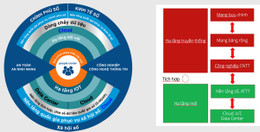
To address these shortcomings, the ICT infrastructure master plan elevates the postal network into one of its five core sub-components. Moving forward, postal networks will no longer function solely as letter and parcel delivery mechanisms; instead, they are engineered to serve as the physical circulatory system of the digital economy. By maintaining a seamless bridge between the physical world and cyberspace, postal networks will guarantee the uninterrupted flow of physical goods alongside digital data streams.
According to the blueprint, the state aims to build between three and five regional postal centers nationwide by 2030, drastically increasing operational capacity and reducing transit times. Representatives from Vietnam Post and other major delivery enterprises have lauded the master plan as a transformative step. It provides the legal and strategic clarity required to upgrade public postal networks while encouraging private sector participation in building a modernized, interconnected supply chain.
Expanding E-Commerce and Logistics Capabilities
The rapid expansion of e-commerce in Southeast Asia has placed unprecedented demands on logistics and last-mile delivery services. Recognizing that logistics costs remain a significant barrier to national competitiveness, the Vietnamese government has mandated enhanced resource sharing and interoperability among delivery companies.
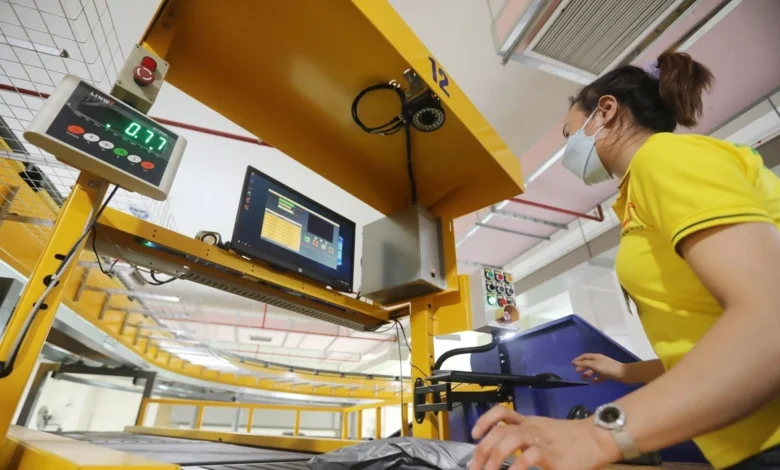
Under the guidance of MIC leadership, postal enterprises are being directed to concentrate resources on developing wide-coverage, highly technologized postal infrastructure that directly serves e-commerce platforms. The strategy emphasizes the integration of advanced technologies—such as automated sorting systems, machine learning for route optimization, Internet of Things (IoT) tracking devices, and automated warehousing—to maximize resource efficiency and suppress overhead costs.
Specific benchmarks set for 2025 illustrate the ambitious scope of this transformation. The total processing and service capacity of the national postal network is targeted to reach 93,000 tons of mail and parcels per day. Interprovincial and international transit times for processing center transfers are capped at a maximum of five days, while intra-city deliveries are restricted to a maximum of two days. Furthermore, the network will feature three regional postal centers with an average processing capacity exceeding 11,000 tons per day and a 350-kilometer service radius, supplemented by 14 zonal postal centers handling over 4,500 tons daily across a 115-kilometer radius.
Ensuring Universal Access and Affordability

A foundational pillar of Vietnam’s ICT master plan is the commitment to social equity, ensuring that modernization does not leave marginalized or rural populations behind. MIC officials have repeatedly emphasized that every citizen across the country retains the fundamental right to access and utilize stable, high-quality postal and telecommunications services at reasonable, regulated prices.
By expanding service ecosystems and opening new operational spaces, the postal network will function as a public utility safety net. This includes maintaining contingency capabilities designed to secure the national supply chain during emergency situations, natural disasters, or public health crises. The strategy relies heavily on the dual-track development of the KT1 secure government postal network alongside the public commercial postal network, guaranteeing uninterrupted state communications and public service delivery under any circumstance.
Collaboration Between Public and Private Stakeholders
The successful implementation of the ICT infrastructure master plan hinges on unprecedented synergy between state management agencies and market participants. While state-owned enterprises like Vietnam Post retain the primary responsibility for operating the public postal network, private logistics giants such as Viettel Post and various international operators are actively encouraged to invest in national digital postal platforms and infrastructure.
During the official rollout event of the master plan, Deputy Minister of Information and Communications Phan Tam underscored the necessity for major postal businesses to pool their resources. He urged companies to enhance infrastructure sharing, reduce logistical redundancies, and elevate national competitiveness. Regulatory bodies, including the Vietnam Post and Telecommunications Department, have established close working relationships with industry leaders to ensure that regulatory frameworks remain adaptive, transparent, and aligned with market realities.

Broader Implications for National Development
The implementation of the ICT infrastructure master plan carries profound implications for Vietnam’s macroeconomic stability and long-term growth. By synchronizing telecommunications, data centers, digital technology industries, broadcasting, and postal logistics, Vietnam is systematically constructing a comprehensive digital ecosystem under the "Make in Viet Nam" initiative.
This holistic approach is projected to attract foreign direct investment (FDI) into high-tech manufacturing and digital services, create thousands of specialized jobs, and significantly improve Vietnam’s standing in global logistics performance indices. As digital transformation permeates every facet of public administration and private enterprise, the foundational infrastructure established today will determine the nation’s economic resilience and prosperity for decades to come. Through meticulous planning, strategic resource allocation, and a steadfast commitment to universal service, Vietnam is successfully laying the physical and digital groundwork to claim its position as a leading innovation hub in Asia.
Related posts: