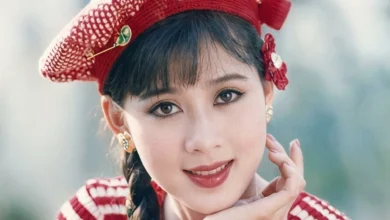
Vibrant at U80: Legendary Cai Luong Star Mộng Tuyền Embraces a Peaceful Life of Charity and Unwavering Dedication to Art

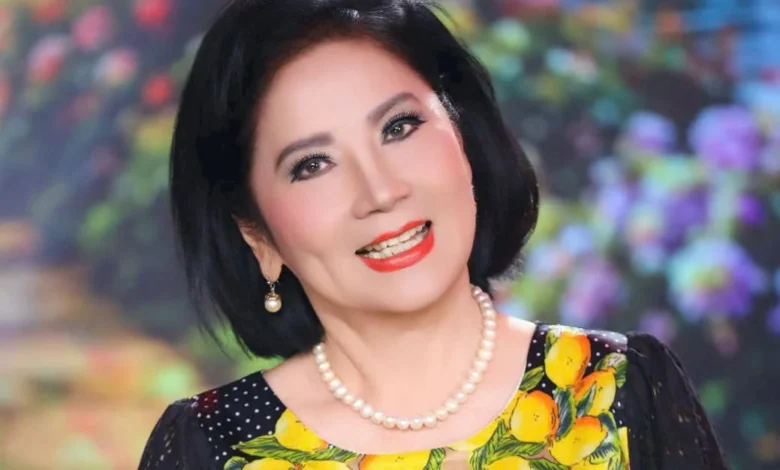
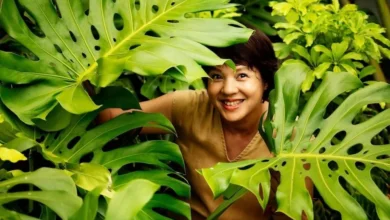
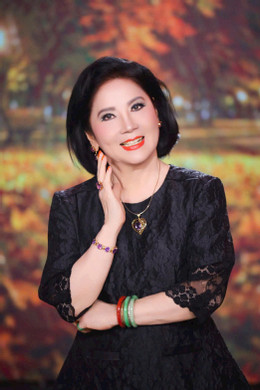
At nearly 80 years old, Mộng Tuyền—once celebrated as a legendary beauty and prominent fixture of Southern traditional Vietnamese theater (Cải Lương)—leads a life characterized by serene contentment, rigorous physical discipline, and profound altruism. While her name remains etched in the collective memory of generations of theatergoers who recall her golden era on stage, her current reality stands as a testament to grace, humility, and an enduring passion for performance. Eschewing the conventional comforts and expectations associated with retired stardom, she frequently travels to distant provinces to perform without compensation, extending her artistry to benefit charitable causes, local temples, and community gatherings.
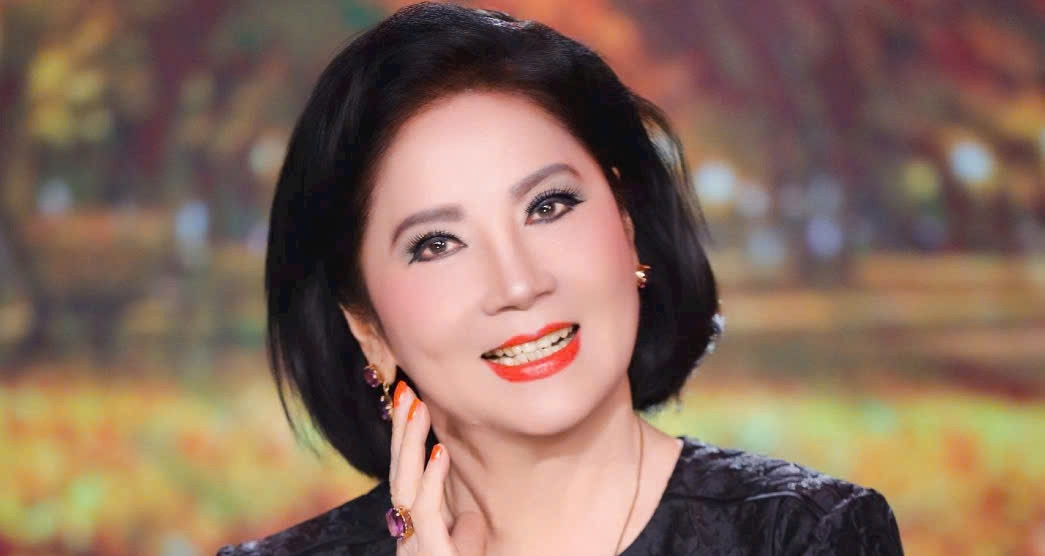
A Legacy Forged in Vietnam’s Golden Era of Traditional Theater
Mộng Tuyền’s journey in the performing arts began in an era when Cải Lương enjoyed unparalleled popularity across Vietnam, serving as a primary cultural touchstone for urban and rural audiences alike. Rising to prominence during the mid-20th century, she captivated theater enthusiasts with her emotive vocal delivery, striking stage presence, and versatility in portraying complex dramatic heroines. Alongside contemporaries who defined the golden age of Southern theater, she helped shape a distinct cultural heritage that bridged classical Vietnamese storytelling with contemporary theatrical expression.
Following decades of domestic success, her life took an international turn when she relocated to France, spending approximately 30 years living abroad. This period exposed her to European administrative structures, social etiquette, and cultural perspectives, which she credits with shaping her worldview and resilience. Despite establishing a stable life overseas, her deep-rooted connection to her homeland and her artistic identity ultimately drew her back to Vietnam. Even after her return, she maintained her French citizenship—a symbolic nod to the decades spent abroad that profoundly influenced her personal development and appreciation for multiculturalism.
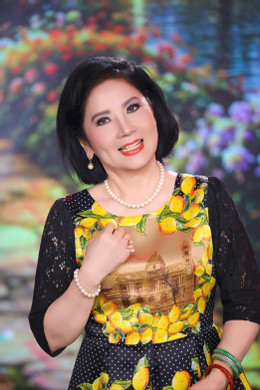
Embracing a Routine of Rigorous Discipline and Vitality
Far from succumbing to the sedentary lifestyle common in advanced age, Mộng Tuyền maintains a daily routine characterized by strict self-discipline and physical conditioning. For over four decades, she has adhered to a health regimen that includes practicing intense aerobic exercise twice daily, dedicating roughly an hour and twenty minutes per session to rigorous cardiovascular routines performed at home. Rather than opting for gentle stretching or low-impact senior gymnastics, her workouts involve high-intensity movements designed to maintain cardiovascular health, muscle tone, and overall stamina.
This physical endurance directly supports her demanding schedule as a performing artist. When called upon to travel significant distances—often enduring four to five hours of vehicle transit to reach remote provincial venues—she recovers rapidly, attributing her resilience to her active lifestyle. Her dietary habits are equally disciplined, stemming from a lifelong practice initiated by her father during her active touring years to prevent late-night eating habits. Today, she typically consumes a single primary meal per day, focusing on simple, minimally seasoned foods while relying on hydration, fruit, and sugar-free dairy products to sustain her energy levels.
Philanthropy and Unpaid Performances in Communities
A defining characteristic of Mộng Tuyền’s later years is her commitment to performing without financial remuneration. Whether participating in seasonal festivities organized by traditional theater troupes—such as those associated with the Thanh Nga or Hoa Lan Trắng repertoires—or singing at local temples, weddings, and memorial services, she views her remaining vocal capacity as a gift meant to be shared rather than monetized.
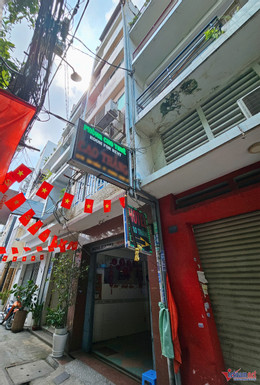
Her philosophy on compensation is rooted in a sense of reciprocity toward the public that sustained her career. Having spent a lifetime supported by audiences, she expresses a profound reluctance to accept payment from communities that she considers her benefactors. When well-wishers offer monetary gifts or tokens of appreciation during her performances, she routinely redistributes these resources among her accompanying musicians, backing vocalists, and technical staff. Her living arrangements reflect a similar philosophy of social responsibility; as a landlord, she adjusts rental rates according to the economic hardships faced by her tenants, fostering a supportive community environment within her multi-story residence in Ho Chi Minh City.
Daily Life, Social Connection, and Philosophy on Aging
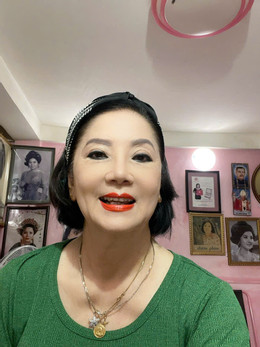
Despite living alone following her return from France, Mộng Tuyền rejects the notion of isolation. Her days are occupied by regular interactions with neighbors, visits to local traditional markets where she engages with vendors, and continuous engagement with digital media platforms. She frequently records and produces new vocal tracks, uploading multiple songs to her YouTube channel to connect with modern audiences and preserve her artistic output.
Her social circle, though compact, consists of deep, meaningful relationships that provide emotional fulfillment. When reflecting on her affluent past—which featured upscale residences, dedicated drivers, and financial abundance—she maintains a pragmatic and detached perspective. She notes that material wealth belongs to specific phases of life and holds no permanent value in defining human character or contentment.
Future Outlook and Acceptance of Mortality
As she approaches her eightieth year, Mộng Tuyền’s worldview is defined by profound gratitude and a tranquil acceptance of the natural cycle of life. Having experienced both the heights of artistic stardom and the quiet peace of retirement, her primary aspirations are remarkably modest. When asked about her remaining wishes, she expresses a desire to maintain her physical health so long as she can remain independent, accompanied by a peaceful departure that avoids burdening others.
Her life serves as a bridge between two eras of Vietnamese cultural history—preserving the memory of Cải Lương’s golden age while demonstrating how elderly artists can navigate modern longevity with dignity, purpose, and altruism. Through her continued dedication to her craft and her community, Mộng Tuyền exemplifies an enduring commitment to public service and personal resilience, leaving an indelible mark on both Vietnamese theater and the hearts of those she continues to inspire.