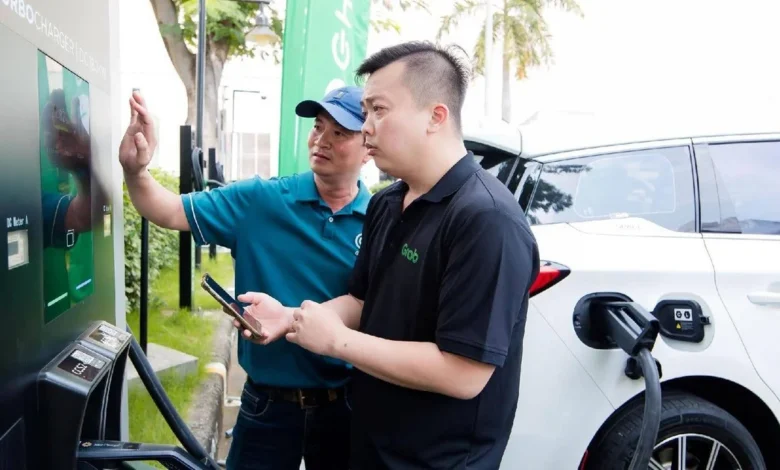
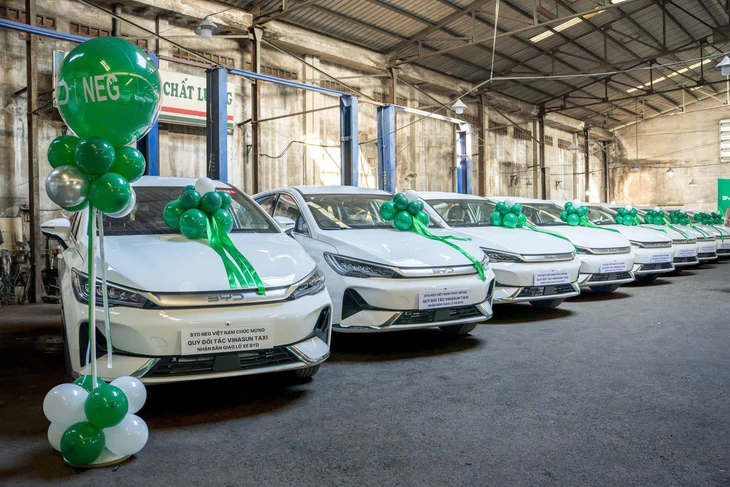
Grab Vietnam has officially introduced a specialized support program targeting driver-partners who purchase BYD electric vehicles (EVs) and operate them on the platform. Running from September 7 to December 31, 2026, the initiative aims to incentivize the transition to sustainable transport while offering a financial safety net for drivers. Under this scheme, participating drivers can receive a total income guarantee of up to 160 million VND across four designated periods. While the headline figure is substantial, the program’s structure, performance-based requirements, and eligibility criteria necessitate a detailed breakdown for any prospective or current driver considering the shift to an electric fleet.
The Mechanics of the Income Guarantee
The program is structured as a "guaranteed income" scheme, which functions as a floor rather than a supplementary bonus. Grab defines this as the minimum threshold of earnings a driver is entitled to, provided they meet specific operational conditions throughout a designated period. If a driver’s actual earnings fall below this set floor, the company commits to subsidizing the difference.
For example, if a driver qualifies for a 40 million VND guarantee in a specific period but only records 38 million VND in actual earnings, Grab covers the 2 million VND shortfall. However, if the driver’s earnings exceed the 40 million VND mark, the platform provides no additional compensation. This mechanism provides a sense of security for drivers adjusting to a new vehicle, but it is crucial to note that the 160 million VND total is not a cash bonus added to revenue; it is a ceiling of protection for those who perform at specific high-volume levels.
Tiered Performance Requirements
Eligibility for the guaranteed income is tied directly to the number of completed trips. The program is divided into tiers, with the guaranteed amount scaling based on the volume of rides. The lowest tier requires a minimum of 260 completed trips per period, guaranteeing 15 million VND. This scales up to 20 million VND for 400 trips, 30 million VND for 600 trips, and reaches the peak of 40 million VND for 800 completed trips.
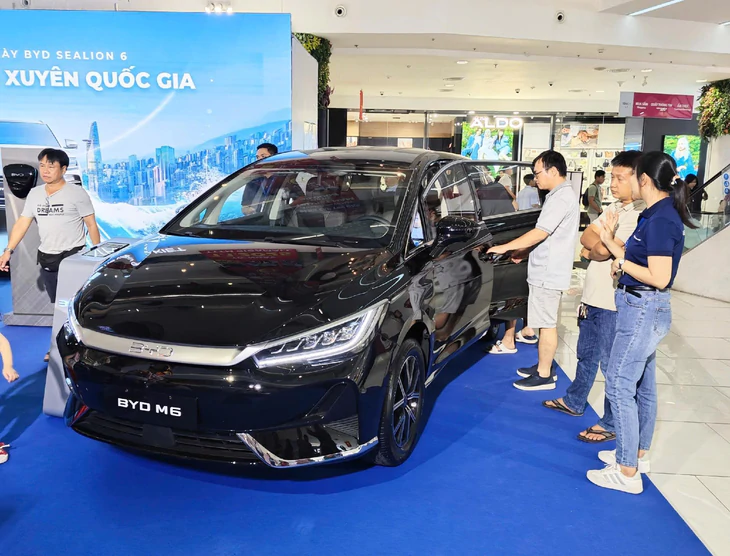
Crucially, not all vehicle models receive equal treatment. The program specifically highlights the BYD M6 and the BYD Dolphin. The BYD M6, being a larger, multi-purpose vehicle, is eligible for the full range of tiers. Conversely, the BYD Dolphin is restricted to the first three tiers, with a maximum guarantee of 30 million VND per period. Consequently, a driver operating a Dolphin can only achieve a cumulative guarantee of 120 million VND, significantly lower than the potential 160 million VND available to M6 drivers.
Operational Expectations and Daily Volume
While the program calculates performance by the period (approximately 30 days), the reality of these requirements demands a high level of daily consistency. To reach the top tier of 800 trips in a 30-day window, a driver must complete approximately 27 trips every single day, without taking a single day off. Even at the lower tier of 260 trips, a driver must maintain a pace of nine trips per day.
To hit the maximum 160 million VND over four periods, a driver must consistently hit the 800-trip milestone for 120 consecutive days. This underscores that the incentive is designed for full-time, high-intensity drivers rather than part-time contractors.
Quality Control and Compliance
Beyond volume, Grab enforces strict quality standards to ensure that the guarantee is not exploited. Drivers must maintain an average acceptance rate of 95% or higher and keep their cancellation rate below 3% throughout the period. These metrics are reviewed at the end of each cycle.
Interestingly, there is a separate support track for charging assistance with slightly lower barriers—requiring an 80% acceptance rate and a 5% cancellation limit. This means a driver could theoretically qualify for charging support while failing to meet the requirements for the primary income guarantee, highlighting the complexity of the program’s fine print.
Defining "Actual Earnings" and Charging Support
The definition of "actual earnings" is a critical component of the program. According to the internal documentation, it is defined as the total revenue collected after deducting Grab’s application service fees, applicable taxes, and other specific deductions. Notably, the documentation does not explicitly account for vehicle charging costs, loan repayments, insurance premiums, or maintenance, which remain the responsibility of the driver.
The service fee structure has been a point of contention recently. Following findings from the Vietnam Competition Commission on November 5, 2026, the application fee was adjusted to a range of 0% to 25%, down from the previous 0% to 28.76% cap. The total of the booking fee and application fee is capped at 32% of the total fare paid by the passenger.
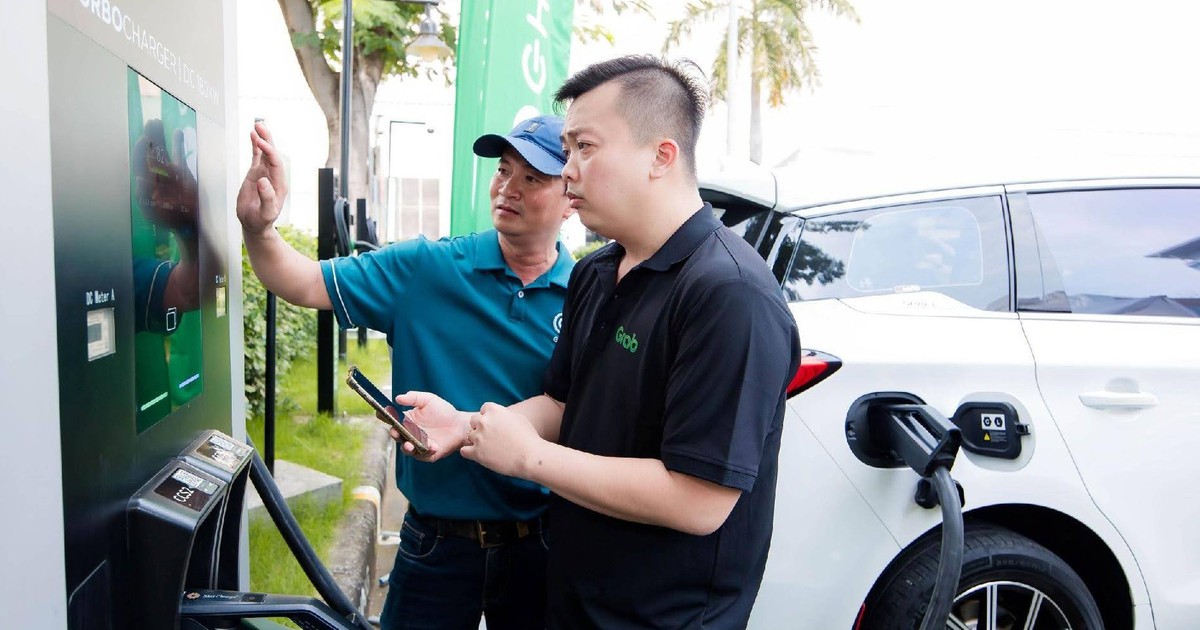
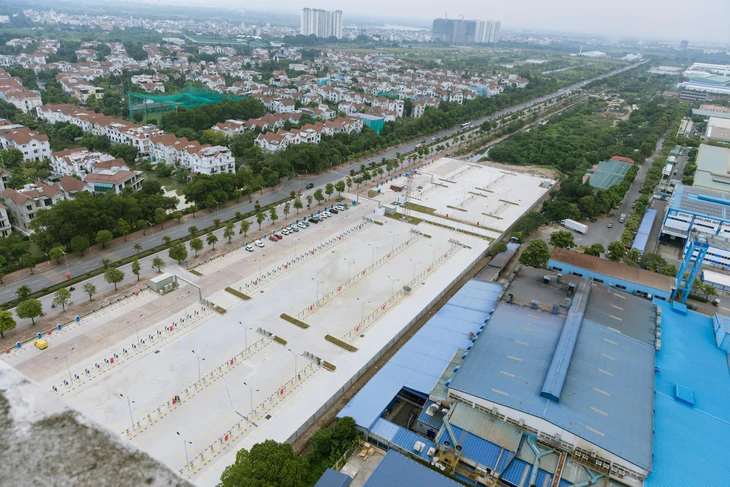
Regarding charging support, drivers are entitled to subsidies for 20 charging sessions per month, applicable for up to six months. Each session is subsidized up to 35 kWh, calculated based on the average price of electricity. Drivers pay the charging costs upfront, and the subsidy is credited to their "Cash Wallet" on the 7th of the following month. While Grab labels these as "bonuses" included in the driver’s revenue, it remains unclear whether these amounts are factored into the "actual earnings" when calculating the eligibility for the income guarantee top-up.
Strategic Implications for the Ride-Hailing Market
The launch of this program arrives at a critical juncture for the Vietnamese electric vehicle market. By incentivizing the adoption of the BYD M6 and Dolphin, Grab is positioning itself as a primary facilitator of the shift toward electrification in urban transport. This move mirrors broader global trends where ride-hailing giants act as catalysts for EV adoption, often by bridging the initial financial gap for drivers.
However, the program is also a strategic move for driver retention. As the competition for labor in the gig economy intensifies, providing a "guaranteed income" serves as a powerful marketing tool. It signals to drivers that the platform is invested in their success, even if the actual statistical probability of achieving the highest tier is high-effort and demanding.
Contextualizing the Risks
The program is not without its caveats. It is applied nationwide excluding Phu Quoc, and it is strictly tied to the GrabCar service. If a driver changes their area of operation or stops using the "destination mode" feature, the program’s terms state it will be automatically terminated. Furthermore, Grab reserves the right to decide the final terms and conditions, including the power to claw back funds in cases of suspected fraud or misuse of the platform.
For drivers considering this path, the financial analysis is complex. The shift to an EV involves significant capital expenditure and a change in operational habits. While the 160 million VND guarantee offers a buffer, it is contingent on a punishingly high number of rides. Drivers must calculate whether the potential gain from the guarantee outweighs the increased volume of work and the potential risks associated with long-term maintenance and charging logistics.
Final Assessment
The "160 million VND" headline is a carefully calibrated figure designed to capture interest, but it functions primarily as a performance incentive for the most active tier of the workforce. For the average driver, the program provides a valuable safety net against slow business days, provided they maintain the high service standards required.
As the regulatory environment for gig platforms evolves in Vietnam, particularly regarding fee caps and labor protections, this program serves as a case study in how major tech firms are attempting to balance their corporate sustainability goals with the daily economic realities of their partners. Prospective participants are advised to conduct a thorough analysis of their own average trip volumes and daily operational costs before committing to the long-term, 120-day requirements of the program.