Honda CR-V to Drop Pure Gasoline Engines in 2027 as Honda Shifts Entirely to Hybrid Powertrains

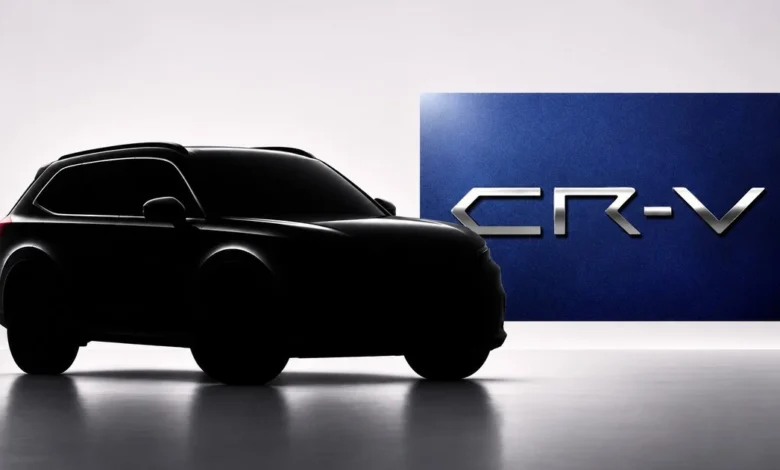
Honda has officially confirmed a pivotal shift in the evolution of its most popular SUV, announcing that the upcoming generation of the Honda CR-V, slated for a 2027 debut and marketed as the 2028 model, will completely abandon traditional internal combustion engines. This strategic decision marks a significant milestone in the automaker’s global electrification roadmap, as the company prepares to transition its entire CR-V lineup to hybrid-only powertrains.
This move follows a period of robust market performance for the electrified segment, reflecting a broader industry trend where manufacturers are aggressively phasing out non-hybrid models to meet increasingly stringent emissions standards and evolving consumer preferences. For the CR-V, a vehicle that has long served as the cornerstone of Honda’s sales volume in North America and beyond, the pivot to hybrid technology represents a calculated bet on the transition toward full electrification.
The Shift Toward Hybrid Dominance
The decision to eliminate pure gasoline variants is not entirely unexpected given the trajectory of sales data over the past half-decade. According to industry reports and internal Honda projections, the hybrid iteration of the current CR-V has accounted for more than 50% of the model’s total sales in the United States. This surge in popularity is historic; annual sales volume for the hybrid version has expanded nearly tenfold since 2020.
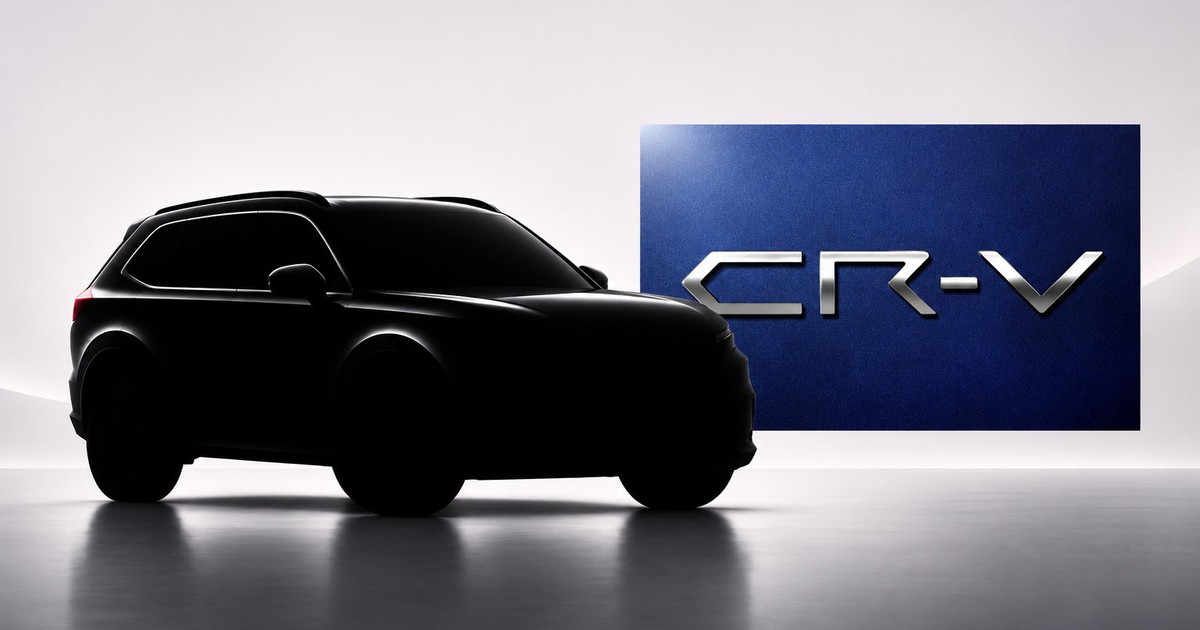
Market analysts suggest that this shift is driven by a combination of improved fuel efficiency and enhanced performance metrics. Honda has confirmed that the new generation will feature a fifth-generation two-motor hybrid system. While specific technical specifications—including precise horsepower figures and EPA-estimated fuel economy—remain under wraps, the company has set an ambitious goal of reducing fuel consumption by at least 10% compared to the current hybrid model. By streamlining the manufacturing process and focusing exclusively on hybrid architecture, Honda aims to capitalize on economies of scale to keep the vehicle competitively priced against a growing field of rivals, including the Toyota RAV4 Hybrid and the Kia Sportage Hybrid.
Engineering and Design Advancements
Beyond the powertrain, the 2028 Honda CR-V will be built on an entirely new platform. This modular architecture is designed to optimize the vehicle’s structural integrity, allowing for increased rigidity in critical areas while simultaneously reducing the overall weight through advanced manufacturing techniques.
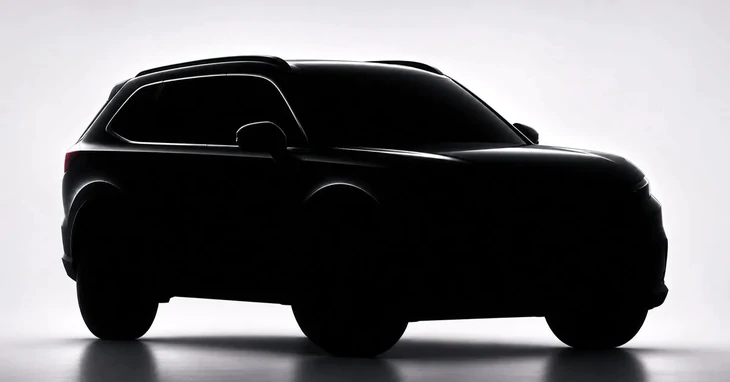
The weight reduction is essential, as the added mass of high-capacity battery packs in hybrid vehicles often poses challenges for handling and agility. By utilizing high-tensile steel and lightweight composite materials in the chassis, Honda engineers are looking to maintain the CR-V’s reputation for a balanced ride while enhancing safety features. Although official images have yet to be released, industry observers and leaked design sketches suggest a sharper, more aggressive aesthetic. The new exterior is expected to feature more angular lines, a wider stance, and an evolved front fascia that aligns with the design language seen in the latest iterations of the Honda Prologue and Civic.
A Chronology of Success
To understand the weight of this decision, one must look at the historical context of the CR-V. First introduced in 1997, the CR-V was instrumental in popularizing the compact SUV segment. Over the past 30 years, it has transformed from a niche utility vehicle into a global phenomenon.
- 1997: Honda launches the first-generation CR-V, establishing the brand as a key player in the nascent SUV market.
- 2002-2006: The second generation sees a massive spike in popularity, cementing the vehicle’s reputation for reliability.
- 2017: The fifth generation introduces a more sophisticated interior and turbo-charged engine options, signaling a move toward premium comfort.
- 2020: Honda introduces the first mass-market CR-V Hybrid in North America, testing the waters for widespread electrification.
- 2023-2025: Hybrid sales begin to outpace gasoline-only models, providing the data necessary for the 2027/2028 mandate.
- 2027: The anticipated launch of the all-hybrid generation coincides with the 30th anniversary of the nameplate.
The upcoming 2027 launch date is strategically chosen to coincide with this milestone, framing the transition not as a loss of tradition, but as an evolution of the brand’s core values of utility, safety, and efficiency.
Market Implications and Official Stance
The transition to a hybrid-only lineup carries significant implications for the broader automotive landscape. Currently, hybrid vehicles account for approximately 30% of Honda’s total product portfolio in the United States. With the CR-V leading the charge, Honda anticipates that 2026 will be a record-breaking year for its electrified sales, continuing the momentum established in 2024 and 2025.
Honda’s confidence in the CR-V remains unshakable. The company has projected that annual sales for the model in the U.S. will exceed 400,000 units for the third consecutive year. This volume is critical; it provides the fiscal buffer needed to fund research into hydrogen fuel cells and battery-electric vehicles (BEVs).
"We are not merely responding to market demand; we are shaping the future of the segment," noted a representative from Honda’s product development division during a preliminary briefing. The company emphasizes that the decision to drop gasoline engines is supported by the overwhelming customer reception of the current hybrid system, which has proven to be both reliable and cost-effective for long-term ownership.
Challenges and Future Outlook
Despite the optimism, the transition is not without hurdles. The primary challenge lies in the supply chain for power electronics and lithium-ion battery cells. By shifting the entire CR-V production line to hybrid, Honda is significantly increasing its demand for rare-earth minerals and battery components. To mitigate these risks, the company has been diversifying its battery sourcing and investing in domestic assembly plants in North America, ensuring that it can meet the aggressive targets set for 2027.
Furthermore, there is the question of the "entry-level" price point. Historically, gasoline-only models have served as the lower-priced options for budget-conscious buyers. With the move to an all-hybrid lineup, Honda faces the challenge of keeping the entry-level price accessible. Analysts suggest that by eliminating the R&D and manufacturing complexity of maintaining two separate engine platforms (gasoline and hybrid), the company may be able to offset some of the increased costs associated with battery technology.
Analysis: The End of an Era
The removal of the internal combustion engine from the CR-V marks the end of a long-standing era for Honda. For nearly three decades, the internal combustion engine—specifically the legendary i-VTEC and later, the turbocharged Earth Dreams engines—has defined the driving experience of the CR-V.
However, the industry is at a point of no return. As global carbon regulations become increasingly stringent, and as the performance of hybrid systems continues to surpass traditional engines, the move to hybrid-only is arguably the most logical step for a mass-market manufacturer. The 2027 CR-V will likely be remembered as the vehicle that finally closed the book on the internal combustion era for Honda’s SUV division, setting the stage for an all-electric future.

As the industry watches, the success of the 2028 CR-V will serve as a bellwether for other manufacturers. If Honda can successfully navigate this transition without alienating its traditional base, it will prove that the path to a sustainable future is not necessarily paved with BEVs alone, but with a nuanced, bridge-building approach that leverages the efficiency of hybrid technology to maintain mass-market accessibility.
With its 30th anniversary on the horizon, the Honda CR-V remains a testament to the brand’s ability to adapt. From its humble beginnings as a rugged, utilitarian wagon to its current status as a sophisticated, fuel-efficient hybrid, the vehicle continues to reflect the changing needs of the modern driver. The upcoming 2027 launch will be a defining moment for the company, as it seeks to marry the reliability of its past with the technological imperatives of the future.