Israel Defense Minister Israel Katz warns of potential conflict escalation with Iran while cautioning Hezbollah against interference

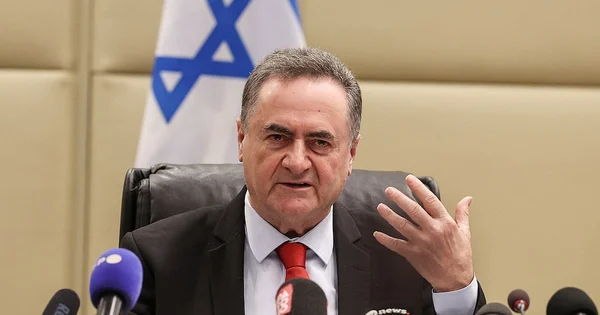
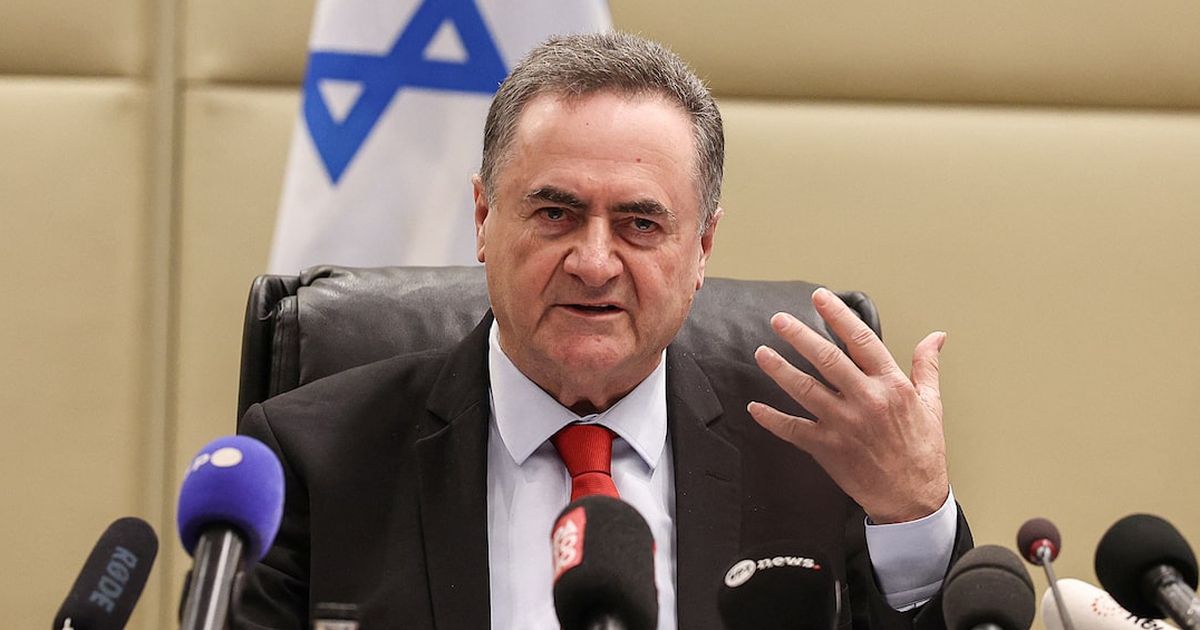
The geopolitical volatility in the Middle East reached a precarious inflection point on November 8, 2026, as Israel’s newly positioned Defense Minister, Israel Katz, issued a stern ultimatum regarding Iran’s nuclear ambitions and regional proxy activities. In a formal address, Katz declared that the mission to neutralize Iran’s nuclear aspirations remains "unfinished," signaling a potential return to active military confrontation. This rhetoric coincides with a period of profound domestic political instability within Israel, where the transition of power and the maneuvering of rival political factions have created a complex security landscape.
A Renewed Focus on Iran’s Nuclear Program
Minister Katz’s statement directly addresses the longstanding allegations that Tehran is actively pursuing the development of weapons of mass destruction. While Iran has consistently denied these claims, maintaining that its nuclear program is strictly for civilian and peaceful energy purposes, the Israeli defense establishment remains deeply skeptical.
"The Iran dossier is not closed. They are seeking to modernize their capabilities while simultaneously placing the State of Israel in grave danger," Katz stated. The defense minister’s remarks suggest that Israel views the current status quo as untenable. This assessment is bolstered by intelligence reports suggesting that despite international sanctions and diplomatic pressure, Iran’s enrichment activities have continued, albeit in a more clandestine manner.
For the international community, this development represents a significant departure from recent diplomatic efforts to stabilize the region. Analysts note that the Israeli defense strategy is shifting toward a more preemptive posture, moving away from the reactive protocols of the past decade.
The Hezbollah Factor: A Warning Against Intervention
Beyond the direct threat posed by Tehran, Minister Katz directed a clear warning toward Hezbollah, the Lebanon-based militant group and Iranian proxy. Katz emphasized that should the group choose to involve itself in a renewed conflict between Israel and Iran, it would face "crushing blows" from the Israeli Defense Forces (IDF).
Hezbollah’s military capabilities, which include an extensive arsenal of precision-guided missiles, remain a primary strategic concern for Israeli military planners. The group’s deep integration into the Lebanese political structure makes any potential Israeli military response against them inherently delicate, carrying the risk of regional spillover. By explicitly warning Hezbollah, the Israeli government is attempting to establish a deterrent framework, hoping to prevent a multi-front conflict that could overwhelm domestic defenses and destabilize the surrounding borders.
Domestic Political Turbulence in Israel
The timing of these security warnings is inextricably linked to the ongoing political gridlock in Jerusalem. On October 27, 2026, Israel held a national election that resulted in a significant loss of support for incumbent Prime Minister Benjamin Netanyahu. Following the electoral results, Gadi Eisenkot, the former Chief of General Staff of the IDF, was tasked by the President with forming a new governing coalition.
This transition has not been seamless. Reports circulating on November 6 suggested that Netanyahu had previously attempted to coordinate a military operation against Iran on the eve of the election, a move that was reportedly intercepted and thwarted by the Mossad, Israel’s intelligence agency. Eisenkot has publicly criticized such maneuvers, warning the military establishment against being used for the "political needs" of outgoing leaders. This friction between the caretaker government and the incoming political leadership creates a vacuum of authority that complicates the nation’s military decision-making processes.
A Chronology of Recent Escalations
The current tension is the result of a long-standing series of escalations that have defined the Middle Eastern security architecture over the past several months:
- Mid-October 2026: Heightened intelligence activity is reported along the northern border of Israel, leading to increased troop deployments.
- October 27, 2026: Israel holds national elections. The incumbent administration suffers a significant setback, leading to the appointment of Gadi Eisenkot to lead coalition talks.
- Early November 2026: Reports emerge of failed attempts by the previous administration to launch strike operations against Iranian targets, citing internal intelligence interference.
- November 6-7, 2026: Public rhetoric between Tehran and Jerusalem intensifies, with both sides conducting high-level security briefings.
- November 8, 2026: Minister Israel Katz confirms the continuation of the "Iran mission" and explicitly warns Hezbollah of total war if they interfere.
The Iran-U.S. Dimension
The regional conflict is not isolated; it is deeply intertwined with the broader ongoing confrontation between Iran and the United States. Hossein Mohebi, a spokesperson for the Islamic Revolutionary Guard Corps (IRGC), underscored this on November 8, framing the situation as a military and economic war.
"In a conflict, they may hit one of our ships, but we will strike back with greater force," Mohebi stated in an interview with the Fars news agency. Regarding the U.S. military’s recent efforts to implement a blockade on Iranian trade routes, Mohebi was dismissive, asserting that Washington would never achieve its goal of economic strangulation, regardless of the tactics employed. This rhetoric suggests that Iran is prepared to leverage its maritime capabilities to disrupt global supply chains if it feels cornered by international economic policies.

Analysis: Implications for Global Stability
The implications of this standoff are profound. First, the possibility of a direct or proxy conflict between Israel and Iran threatens to destabilize global energy markets. A significant portion of the world’s oil transits through the Persian Gulf; any military engagement that disrupts this flow would have immediate, inflationary consequences for the global economy.
Second, the internal political transition in Israel creates a period of vulnerability. Historically, periods of government formation in Israel have been seen by regional adversaries as times of strategic hesitation. However, the current leadership, including both the outgoing administration and the incoming coalition figures, seems to be adopting a "hardline" consensus regarding Iran to prevent any perceived weakness.
Third, the role of Hezbollah remains the "wild card" in this scenario. While the group has previously demonstrated a willingness to engage in border skirmishes, an all-out war with Israel would be catastrophic for Lebanon, which is already grappling with severe domestic economic crises.
Conclusion: A High-Stakes Deterrence Game
The situation as it stands in November 2026 is a high-stakes game of brinkmanship. Minister Katz’s recent declarations are clearly designed to reset the rules of engagement and force both Tehran and its regional allies to reconsider their next moves.
Whether this leads to a period of cooling tensions or accelerates a transition toward open conflict depends on three factors: the speed and stability with which Gadi Eisenkot can form a functioning government, the degree of success Iran continues to have in its nuclear enrichment efforts, and the ability of the international community—particularly the United States—to mediate a diplomatic off-ramp.
For now, the region remains on edge. The rhetoric from all sides suggests that the status quo is no longer viewed as sustainable, and the coming weeks will likely determine whether the current tensions can be contained or if the Middle East is on the cusp of a significant and far-reaching military confrontation. The international community, led by diplomatic monitors in the IAEA and various global powers, will be watching closely to see if the warnings issued by the Israeli Defense Ministry translate into immediate policy shifts or if they are intended primarily as a strategic deterrent in an increasingly unstable, multipolar environment.