Are rock sugar, palm sugar, and raw sugar actually healthier than white sugar: A medical perspective

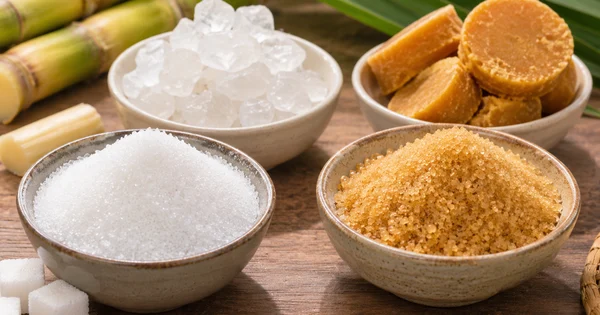
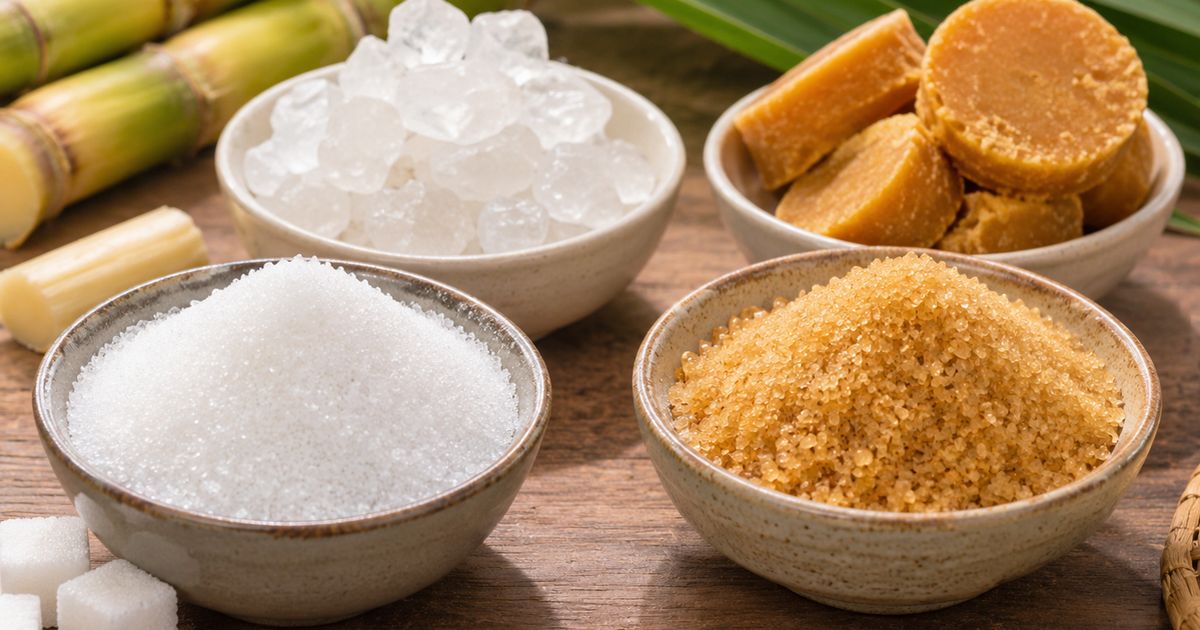
The persistent belief that non-refined or alternative sugars—such as rock sugar, palm sugar, brown sugar, or molasses—offer superior health benefits compared to traditional white refined sugar is a pervasive myth in modern dietary culture. Consumers frequently gravitate toward these "natural" or "less processed" alternatives under the assumption that they are healthier, possess cooling properties, or contain vital nutrients that white sugar lacks. However, from a strictly nutritional and metabolic standpoint, this perception is fundamentally flawed.
According to Dr. Mai Phuong Uyen of the Research and Consulting Institute of Nutrition (NERCI) in Ho Chi Minh City, the primary distinction between these various forms of sugar lies in their processing methods and the trace mineral content remaining from the original source material. It is a common misconception that the health impact is dictated by the level of refinement; in reality, the human body metabolizes these sweeteners in nearly identical ways.
The Myth of Nutritional Superiority
The allure of alternatives like rock sugar (often used in traditional medicine for "cooling" the body) and palm sugar stems from the presence of trace minerals such as potassium, calcium, and iron, as well as minor concentrations of antioxidants derived from the raw source material. While these compounds are technically present, their concentrations are so negligible that they fail to provide any meaningful physiological or health benefit when consumed in the quantities typical of a human diet.
For instance, while palm sugar may retain more minerals than white sugar, the volume required to obtain a significant portion of the recommended daily intake of iron or calcium would necessitate a level of sugar consumption that would be dangerously high, leading to caloric excess and metabolic strain. Essentially, one would be consuming a harmful amount of sugar just to obtain a microscopic benefit that could be better derived from whole fruits, vegetables, or fortified foods.
Metabolic Impact and Caloric Equivalence
From a caloric and glycemic perspective, all these sugars are effectively the same. Whether it is white sugar, rock sugar, or palm sugar, each gram provides approximately 4 calories. When these sugars enter the body, they are broken down into their fundamental components: sucrose, glucose, and fructose.
Excessive consumption of any of these, regardless of their "natural" or "less refined" label, contributes to the same health risks: weight gain, spikes in blood glucose levels, insulin resistance, and long-term metabolic disorders. The body does not recognize a "healthier" version of sugar; it simply recognizes a caloric load that must be processed. If the intake exceeds the body’s energy expenditure, the excess is stored as fat, exacerbating conditions like obesity, type 2 diabetes, and non-alcoholic fatty liver disease.
The Origin of the "Cooling" Misconception
A significant cultural driver behind the preference for rock sugar and similar alternatives is the traditional belief that they possess "cooling" or "detoxifying" properties. Dr. Uyen clarifies that there is no modern scientific evidence to support the claim that rock sugar has specific therapeutic effects, such as clearing internal heat or detoxifying the system.
Rock sugar is produced by dissolving and recrystallizing sugar solutions, resulting in larger, more uniform crystals. Its chemical composition remains predominantly sucrose, which is chemically identical to the refined white sugar found on most kitchen tables. The perceived "cooling" effect is often a placebo or a result of the specific context in which it is consumed—such as in herbal teas or traditional soups—rather than a property of the sugar itself.
Global Health Guidelines and Consumption Limits
The World Health Organization (WHO) provides clear, evidence-based guidelines regarding free sugar intake. The organization recommends that free sugars should constitute less than 10% of total daily energy intake. Furthermore, they suggest that reducing this to below 5% offers additional health benefits. For an individual on a standard 2,000-calorie-a-day diet, this translates to approximately 25 grams of free sugar, or roughly six teaspoons.
It is critical for consumers to understand that "free sugars" encompass far more than the white granules in a sugar bowl. This category includes:
- Brown sugar and raw sugar
- Rock sugar and palm sugar
- Honey, syrups, and agave nectar
- Molasses and concentrated fruit juices
- Sugar added to processed foods, soft drinks, and desserts
For individuals already managing chronic conditions such as diabetes, pre-diabetes, obesity, or dyslipidemia, the focus must be on total sugar reduction rather than the substitution of one type of sugar for another.
A Chronology of Dietary Misinformation
The trend toward "healthier" sugars has gained momentum over the last decade, fueled by social media influencers and wellness blogs that promote "clean eating" without scientific scrutiny. The trajectory of this trend can be viewed in three distinct phases:
- The Rise of Natural Alternatives (2010–2015): As health consciousness grew, consumers began seeking alternatives to high-fructose corn syrup and bleached white sugar. This led to a surge in demand for coconut sugar, raw cane sugar, and honey, marketed as "nutrient-dense."
- The Marketing Explosion (2016–2020): Food manufacturers capitalized on this shift, branding products as "made with unrefined cane sugar" or "naturally sweetened with palm nectar," effectively creating a halo effect around products that were still essentially high-sugar items.
- The Scientific Pushback (2021–Present): Medical professionals and nutritionists have increasingly begun to debunk these claims, emphasizing that the metabolic pathways for all sugars are the same and that the "natural" label does not mitigate the biological cost of high-glycemic intake.
Implications for Public Health
The broader impact of this confusion is significant. When consumers believe that a certain type of sugar is "safe" or "healthy," they are more likely to increase their consumption, ignoring the total caloric and glycemic impact. This creates a barrier to effective lifestyle management, particularly for those at high risk of metabolic diseases.
Public health campaigns must pivot toward a clearer message: the type of sugar is less important than the total quantity consumed. The obsession with finding a "miracle" sweetener often distracts from the most effective health intervention—reducing the total reliance on added sweeteners in the daily diet.
Practical Recommendations for Consumers
Dr. Uyen advises a shift in mindset: rather than searching for a "healthy" sugar, individuals should aim to reduce their overall palate for sweetness.
- Prioritize Whole Foods: For hydration, prioritize plain water, mineral water, or unsweetened tea. For nutrients, consume whole fruits rather than fruit juices or products sweetened with syrups.
- Gradual Adaptation: For those accustomed to sweet drinks, the goal should be a gradual reduction in the amount of sugar added. This allows the taste buds to adapt to less intense levels of sweetness over time, making it easier to maintain a lower-sugar diet in the long term.
- Read Labels: Awareness is the first step toward control. Recognizing that honey, agave, and brown sugar are all forms of free sugar is essential for managing daily intake limits.
Ultimately, there is no medical substitute for a balanced diet that prioritizes unprocessed, nutrient-dense foods. The pursuit of "healthier" sugars is largely a marketing construct that ignores the fundamental biological reality of how the human body processes energy. By focusing on volume reduction rather than the source of the sugar, individuals can make more informed decisions that truly support their long-term health and metabolic stability.