The landscape of consumer goods and agricultural products in Vietnam is undergoing a significant transformation, marked by a robust surge in imports from the United States. In the first nine months of 2026, Vietnam’s import value of U.S. goods increased by more than 2 billion USD, reflecting a growing appetite for American products among Vietnamese households and a deepening economic integration between the two nations. This trend is no longer confined to luxury imports; it has permeated the daily lives of consumers, manifesting in everything from fresh produce at local supermarket chains to high-tech industrial components.
A Growing Presence in the Retail Sector
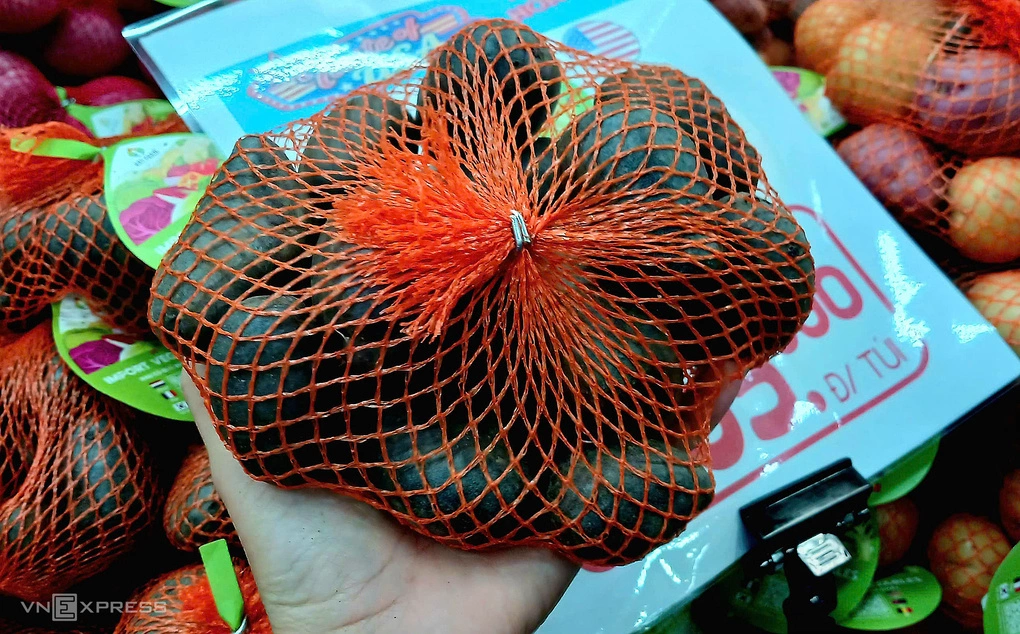
For many Vietnamese consumers, the sight of U.S.-origin products—previously considered niche or expensive—has become commonplace. At a major supermarket in the Binh Thanh District of Ho Chi Minh City, shoppers are increasingly encountering diverse American offerings. Products like red and purple potatoes from the U.S., which were once reserved for high-end restaurants and five-star hotels, are now prominently displayed on the shelves of popular grocery chains.
Mai Thanh, a local shopper, noted that while these premium potatoes are priced significantly higher than local varieties—often retailing for around 130,000 VND per kilogram—they have become a sought-after choice due to their unique flavor profiles and aesthetic appeal. This sentiment is echoed by Dang Thuy Dong Phuong, a representative of the U.S. Potato Board in Vietnam. According to Phuong, the increased visibility of these products in supermarkets and grocery stores is a direct result of expanding distribution networks, which allow for greater consumer access and awareness.
Economic Data and Import Trends
The surge in American goods is backed by significant trade statistics. According to data from the General Department of Vietnam Customs, in the first nine months of 2026, Vietnam imported 17.4 billion USD worth of goods from the United States. This represents a 14% increase compared to the same period in the previous year, equating to a rise of approximately 2.13 billion USD.
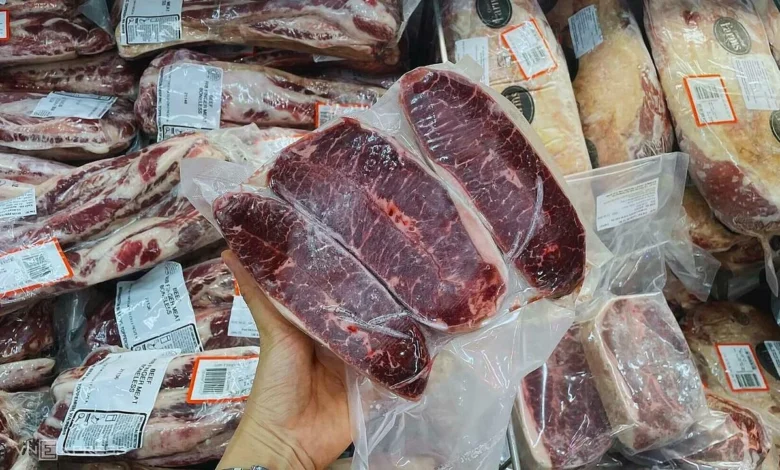
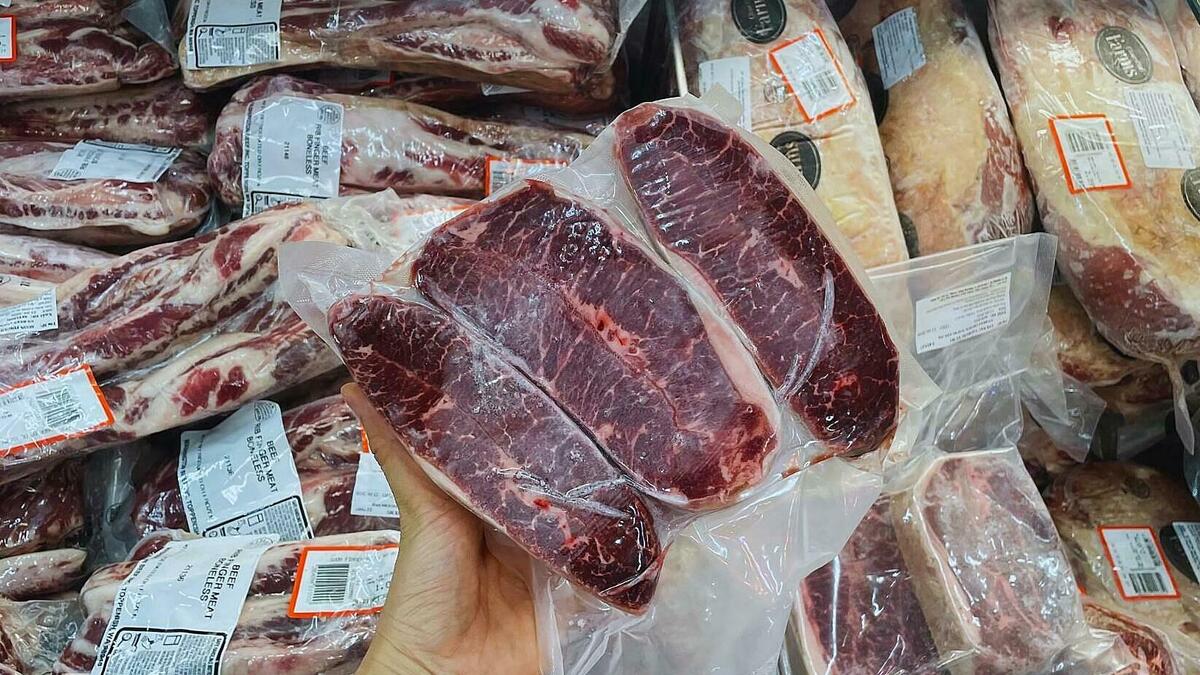
The growth is particularly notable within the agricultural and food sectors. Import value for U.S. fruits and vegetables grew from 461 million USD to 572 million USD, while soybeans saw an increase from 352 million USD to 424 million USD. Furthermore, the retail sector has seen a surge in demand for American meat products. Lee Van Anh To, a representative of the U.S. Meat Export Federation (USMEF), reported that the volume of U.S. beef imported into Vietnam during the first eight months of 2026 was triple that of the same period in the previous year.
Beyond consumer goods, the import profile remains diverse. Computers, electronic products, and components accounted for approximately 5.32 billion USD—nearly 31% of the total import value from the U.S. Machinery, equipment, and spare parts also saw significant volume, reaching 1.31 billion USD. These figures underscore that the surge is not merely a matter of consumer preference, but also a reflection of Vietnam’s increasing need for high-quality industrial raw materials and technology to support its own manufacturing output.
The Taste of USA 2026: Strengthening Ties
The deepening commercial relationship was highlighted during the "Taste of USA 2026" program held on November 9 at MM Mega Market An Phu in Ho Chi Minh City. The event served as a platform for U.S. officials to express their commitment to the Vietnamese market. Stephen Alexander Vaden, Deputy Secretary of the U.S. Department of Agriculture, identified Vietnam as one of the fastest-growing agricultural markets for the United States.
"The United States is eager to expand the presence of our products in the Vietnamese retail system while ensuring they reach consumers at competitive price points," Vaden stated. He noted that in 2025, the total value of U.S. agricultural exports to Vietnam reached nearly 5.6 billion USD, a 38% increase from the prior year. This trajectory suggests that Vietnam has solidified its position as the seventh-largest export market for U.S. agricultural and related products.
Local retailers are capitalizing on this momentum. Nguyen Duc Toan, General Director of MM Mega Market Vietnam, reported that the company currently stocks nearly 500 products of U.S. origin. In 2025, revenue from this category reached 8.3 million USD. Specifically, the fresh food category—including grapes, cherries, blueberries, and frozen chicken—recorded a growth of approximately 20% compared to the previous year.
Challenges and Market Competition
Despite the positive growth, the path for U.S. goods in Vietnam is not without hurdles. The price of U.S. beef, for instance, remains a point of contention for importers and consumers alike due to import tariffs and exchange rate fluctuations. According to Lee Van Anh To of the USMEF, U.S. beef faces import tariffs ranging from 14% to 20%. In contrast, competitors from nations like Australia and Canada benefit from preferential tariff rates under various free trade agreements (FTAs) to which Vietnam is a signatory.
"This tax discrepancy makes it difficult for U.S. beef to compete on price, even though consumers consistently rate the product highly for its quality and traceability," To explained. To address this, the USMEF is actively collaborating with local importers to promote the brand and support distribution. To believes that ongoing bilateral discussions regarding tariff reductions and the removal of trade barriers are essential to enhancing the competitiveness of U.S. beef and opening further opportunities for goods from both nations to reach their respective markets.
Broader Implications and Future Outlook
The rise of American products in Vietnam is a microcosm of the broader U.S.-Vietnam trade relationship. As Vietnam continues to modernize its retail infrastructure and its middle class expands, the demand for high-quality imported goods is expected to remain high.
From an economic standpoint, this influx of goods serves multiple functions. First, it provides Vietnamese consumers with a wider array of choices, fostering a more competitive and sophisticated retail environment. Second, the heavy investment in electronic components and industrial machinery highlights the role of U.S. supply chains in sustaining Vietnam’s manufacturing sector, which is a critical driver of the country’s GDP growth.
However, the long-term sustainability of this trade surge depends on regulatory alignment and trade diplomacy. The emphasis placed by officials like Deputy Secretary Vaden on "removing trade barriers" indicates that both nations are aware of the limitations imposed by existing tariff structures. As both countries look toward future trade agreements, the focus will likely remain on leveling the playing field for products that are currently at a disadvantage due to tax disparities.
For the Vietnamese consumer, the trend is overwhelmingly positive. Whether it is the inclusion of U.S. poultry in local restaurant menus or the availability of fresh American produce in neighborhood supermarkets, the "American brand" is becoming synonymous with quality and reliability. As long as distribution networks continue to expand and pricing strategies remain responsive to the needs of the local market, the presence of U.S. goods in Vietnam is set to follow a steady, upward trajectory in the coming years.
Conclusion
The evolution of the Vietnamese retail and industrial market is inextricably linked to its ability to attract and integrate global goods. The 14% growth in U.S. imports in 2026 is a testament to the success of this strategy. With the support of trade associations, government backing, and a proactive retail sector, the exchange of goods between the United States and Vietnam is moving toward a more mature phase—one where high-quality American products are no longer just an occasional luxury, but an integral part of the modern Vietnamese lifestyle and economy. As the two nations continue to navigate the complexities of international trade, the continued growth of this sector will likely serve as a barometer for the health of the overall bilateral relationship.