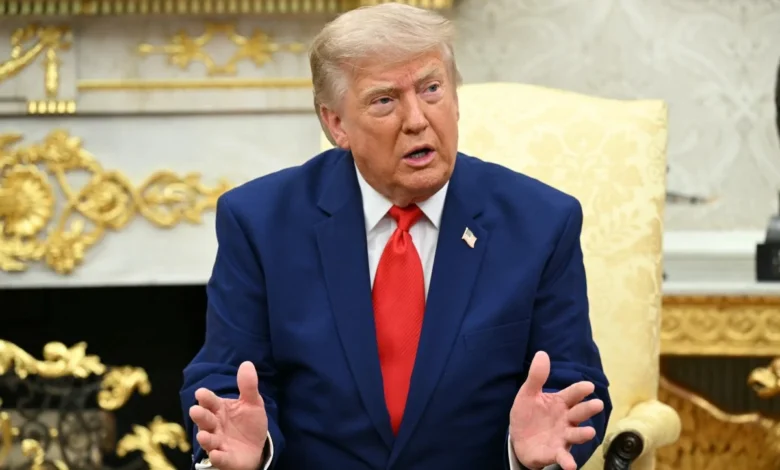
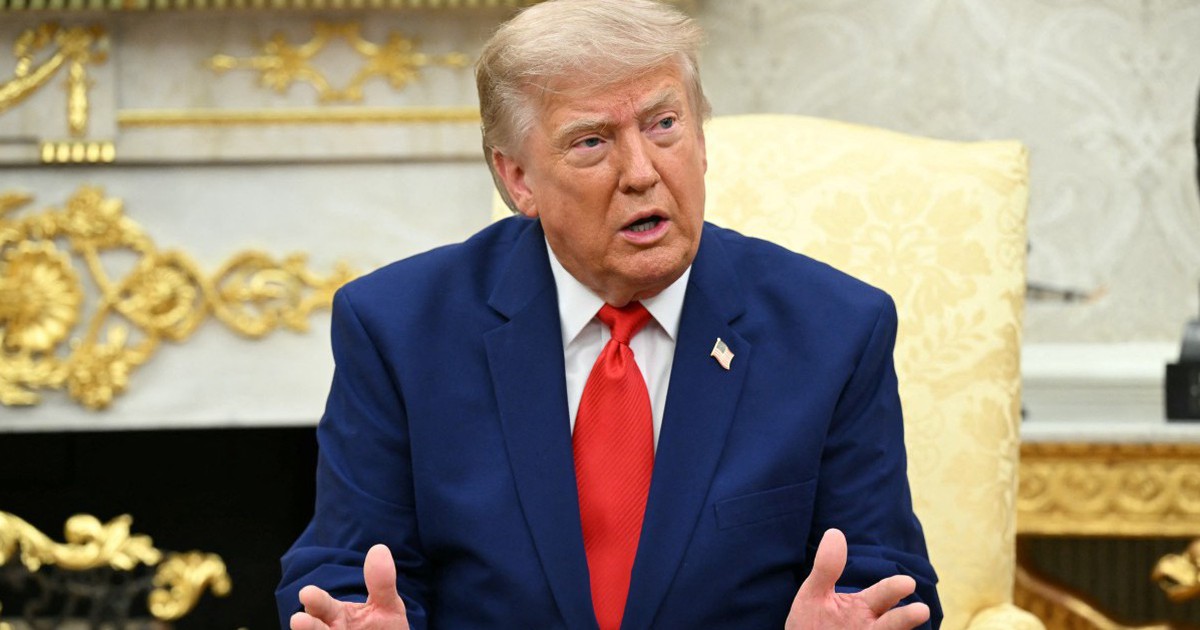
U.S. President Donald Trump issued a stern warning to Russia and China on July 24th, cautioning them against supplying weapons to Iran. This statement came in response to intelligence suggesting that both Moscow and Beijing might be providing Tehran with targeting information, potentially to aid its military objectives, or perhaps not. President Trump’s remarks, delivered via his social media platform Truth Social, underscored his administration’s commitment to preventing any actions that could bolster Iran’s military capabilities, particularly in the context of escalating regional tensions.
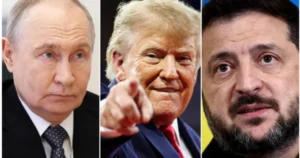
The President’s pronouncements followed reports that Washington was investigating whether Moscow and Beijing had shared intelligence related to potential targets with Iran. This inquiry was prompted by a series of attacks attributed to Tehran against U.S. interests in the Middle East. President Trump explicitly stated that Chinese President Xi Jinping and Russian President Vladimir Putin had assured him during separate meetings that their respective countries would not be involved in such activities. "So, in my opinion, these two countries, when they speak about Iran, they have no involvement in this," Trump wrote on Truth Social, emphasizing his trust in the leaders’ assurances.
The White House’s stance on Iran has been characterized by a policy of "maximum pressure," aimed at curtailing Tehran’s nuclear program and its regional influence. The administration has consistently sought to isolate Iran economically and diplomatically, imposing stringent sanctions and discouraging international partnerships that could benefit the Iranian regime. Trump’s warning to Russia and China reflects a broader strategic concern about maintaining stability in the volatile Middle East and preventing any external support that could embolden Iran’s assertive foreign policy.
Context of Regional Tensions and U.S. Policy
The President’s statement arrives at a critical juncture in international relations, particularly concerning the Middle East and the role of major global powers. Iran has been a significant source of tension for decades, with its nuclear ambitions, ballistic missile program, and alleged support for regional proxy groups being primary concerns for the United States and its allies. The Trump administration’s withdrawal from the Joint Comprehensive Plan of Action (JCPOA) in 2018, commonly known as the Iran nuclear deal, marked a significant shift in U.S. policy, reimposing harsh sanctions with the aim of forcing Iran back to the negotiating table for a more comprehensive agreement.
The intelligence suggesting potential targeting data sharing between Russia, China, and Iran is particularly concerning for U.S. strategists. Iran’s military capabilities, while significant in the region, are often considered less advanced than those of major global powers. Any assistance in identifying targets or improving its operational effectiveness could have serious implications for regional security and U.S. military presence in the area. Russia and China, both strategic rivals of the United States, have historically maintained complex relationships with Iran, often characterized by economic and military cooperation, though both have also expressed concerns about Tehran’s nuclear program.
Russia and China’s Positions
Russia and China have consistently advocated for diplomatic solutions to the Iranian nuclear issue and have often criticized the U.S. "maximum pressure" campaign, viewing it as counterproductive and destabilizing. Moscow and Beijing have also been vocal in their opposition to unilateral sanctions imposed by Washington, arguing that they undermine international law and hinder global trade. Their own economic ties with Iran, particularly in the energy sector, have been a point of contention with the U.S. administration.
President Trump’s direct appeal to Presidents Xi and Putin highlights the strategic importance of their cooperation in managing regional security. His expression of confidence in their assurances, however, does not necessarily eliminate the underlying concerns about their broader geopolitical ambitions and potential for cooperation with Iran. The U.S. administration has previously accused both countries of seeking to undermine American influence in various global arenas, and this warning could be interpreted as an attempt to draw clear red lines regarding Iran.
Iran’s Military Posture and Recent Activities
Iran’s military activities in the region have been closely monitored by the international community. Tehran has developed a significant arsenal of ballistic missiles and drones, which it has used to project power and support allied militias across the Middle East. Recent months have seen increased tensions, including alleged Iranian actions against commercial shipping in the Persian Gulf and retaliatory U.S. drone strikes against Iranian-backed militias in Iraq and Syria.
The intelligence suggesting targeting information sharing would be particularly alarming given Iran’s demonstrated willingness to use its missile and drone capabilities against perceived adversaries. If Russia or China were indeed providing such assistance, it would represent a significant escalation of their engagement with Iran and a direct challenge to U.S. regional security objectives. The U.S. has consistently warned against any nation providing material support to Iran’s military, citing the potential for destabilizing the region and threatening international peace.
Broader Geopolitical Implications
President Trump’s warning also serves to underscore the complex geopolitical landscape in which these decisions are being made. The United States, Russia, and China are engaged in a multifaceted global competition, and their interactions concerning Iran are part of this larger strategic dynamic. While the U.S. seeks to isolate Iran, Russia and China may see opportunities to strengthen their own regional influence and challenge U.S. dominance.
The effectiveness of President Trump’s warning will depend on a variety of factors, including the extent of actual cooperation between these nations and the broader geopolitical calculus that guides their foreign policy decisions. The administration’s approach relies heavily on the belief that its economic leverage and diplomatic pressure can dissuade other countries from engaging in activities deemed detrimental to U.S. interests. However, the strategic alignment between Russia and China, particularly in challenging U.S. global leadership, remains a significant factor that cannot be easily dismissed.
Historical Context of Arms Embargoes and Sanctions
The international community has a long history of imposing arms embargoes and sanctions on nations deemed to be threats to regional or global security. United Nations Security Council resolutions have previously placed restrictions on Iran’s ability to import and export conventional arms. The U.S. administration’s unilateral sanctions have aimed to amplify these restrictions and further curtail Iran’s access to military technology and funding.
The situation is further complicated by the fact that Russia and China are permanent members of the UN Security Council, with veto power. This gives them significant leverage in shaping international policy towards Iran. Their adherence to or defiance of U.S. warnings will be closely watched as an indicator of the evolving global power balance and the potential for a more multipolar world order.
Future Outlook and U.S. Strategy
Looking ahead, the U.S. administration is likely to continue its policy of "maximum pressure" against Iran, while also engaging in diplomatic efforts to deter other countries from providing military support. The effectiveness of these measures will be a key determinant of future regional stability. The President’s direct warning to Russia and China signals a willingness to confront any perceived challenges to U.S. policy and to hold accountable those who undermine its objectives.
The coming months will likely see continued diplomatic maneuvering and potentially further escalatory actions from various regional and global players. The U.S. will need to demonstrate a clear strategy for managing its relationships with Russia and China while simultaneously addressing the persistent threat posed by Iran’s nuclear program and regional activities. The success of President Trump’s warnings will ultimately be judged by their impact on the behavior of Moscow and Beijing and their implications for the future of security in the Middle East. The administration’s diplomatic engagements with these powers, particularly concerning arms control and regional security, will be crucial in navigating this complex and delicate geopolitical environment. The ongoing intelligence gathering and assessment of Iran’s military partnerships will continue to inform U.S. policy and strategic decision-making.