My An – Cao Lanh Expressway Project Achieves 24% Completion, Signaling Progress in Mekong Delta Connectivity

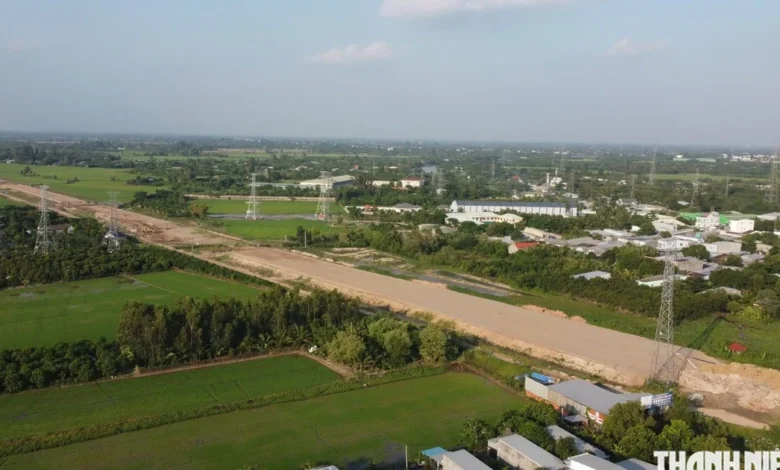
After a rigorous 10-month construction period, the My An – Cao Lanh Expressway project, a cornerstone of Vietnam’s ambitious infrastructure development strategy in the Mekong Delta, has achieved approximately 24% completion of its contract value. All necessary land has been handed over, and significant progress is visible across multiple fronts, with roadbed preparation and bridge construction simultaneously advancing. This pivotal development underscores Vietnam’s commitment to enhancing regional connectivity and fostering economic growth in its southernmost region.
The My Thuan Project Management Board, operating under the Ministry of Construction, reported on July 25, 2026, that construction units are intensively deploying human resources and machinery to accelerate the pace of this critical Phase 1 investment project. The My An – Cao Lanh Expressway is not merely a stretch of road; it represents a vital artery designed to improve transportation logistics, reduce travel times, and integrate the Mekong Delta more effectively into the national economic network.
Project Scope and Strategic Importance
The My An – Cao Lanh Expressway project boasts a total investment exceeding 6,127 billion VND (approximately 240 million USD), primarily financed through an Official Development Assistance (ODA) loan from the Government of South Korea, complemented by significant domestic counterpart funds. This financial structure highlights the international cooperation essential for large-scale infrastructure projects in Vietnam and the country’s own commitment to co-investment in its future. The expressway spans approximately 26.6 kilometers and is initially being constructed with a four-lane configuration, featuring a 17-meter-wide roadbed and a design speed of 100 km/h. Crucially, the design allows for future expansion to six lanes, anticipating increased traffic demand as the region develops.
This project is a key component of a broader strategy to develop a comprehensive expressway network across the Mekong Delta, a region historically challenged by limited road infrastructure and heavily reliant on waterways. The Vietnamese government has prioritized infrastructure development to unlock the economic potential of the Delta, which is a major agricultural and aquaculture hub. The My An – Cao Lanh route, specifically, is designed to connect key economic centers within Dong Thap province and link them to the wider southern economic corridor, including Ho Chi Minh City. By reducing travel times and improving goods transportation efficiency, it aims to boost trade, attract investment, and enhance the competitiveness of local industries.
Chronology of Construction and Key Milestones
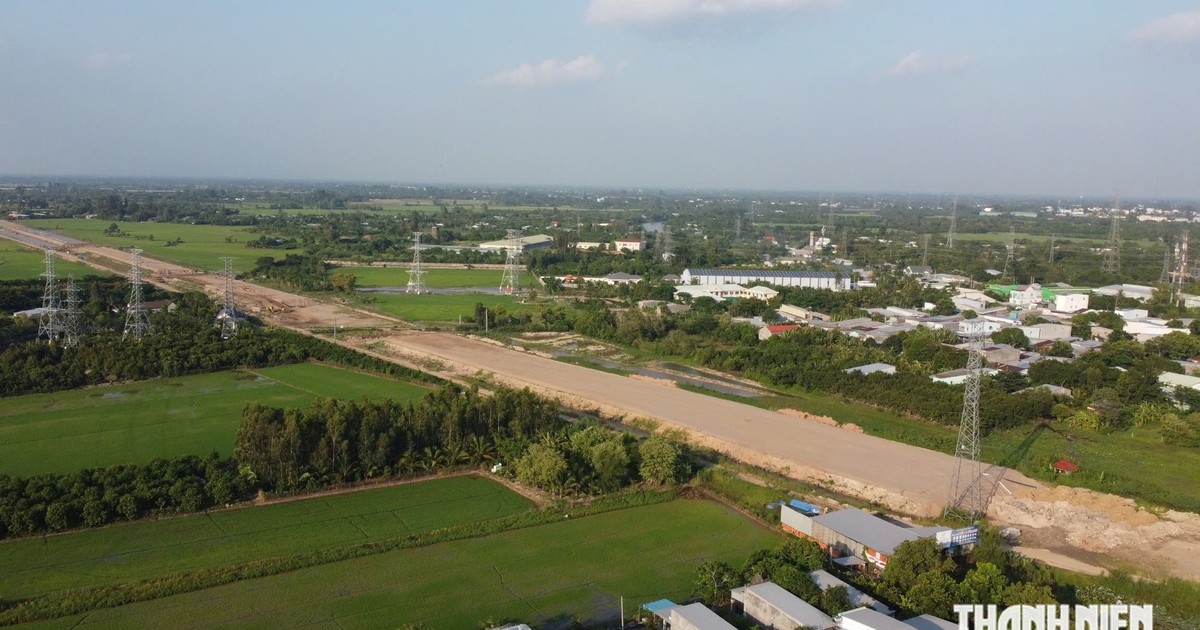
The formal commencement of construction for Package 7, a significant component of the project, took place in mid-September 2025. Over the subsequent 10 months, construction teams have made substantial headway. As of late July 2026, the value of completed work stands at approximately 778 billion VND, representing the 24% overall progress. This rapid initial pace is attributed to meticulous planning, dedicated resource allocation, and favorable conditions stemming from the complete land acquisition.
The completion of 100% of the land clearance and handover to the contractors has been a critical enabler, providing an unhindered corridor for construction activities across the entire route. This milestone is particularly noteworthy, as land acquisition often presents one of the most significant challenges and delays in large infrastructure projects in Vietnam. The smooth land handover demonstrates effective coordination between the project investor, local authorities, and affected communities in Dong Thap province.
Detailed Construction Progress
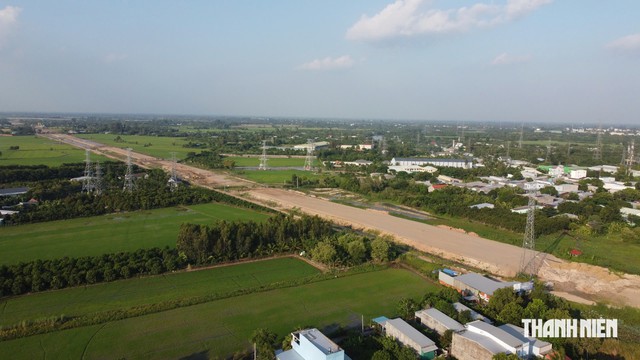
Construction activities are progressing simultaneously across various segments of the expressway, transforming the landscape and giving tangible form to the planned route.
Roadbed Construction: Work on the roadbed is a primary focus, with nearly 94% of the pile driving for soft ground treatment already completed. Given the challenging geological conditions of the Mekong Delta, characterized by extensive soft soils, advanced ground improvement techniques such as pile driving and preload embankments are crucial for ensuring the long-term stability and durability of the expressway. Other essential tasks, including geotextile laying, construction of permanent access roads, and temporary bridges, are also being diligently carried out. The sequential and parallel execution of these activities is vital to maintaining the project’s aggressive timeline.
Bridge Construction: Bridges are indispensable elements of the My An – Cao Lanh Expressway, designed to traverse numerous canals and rivers characteristic of the Delta. Out of a total of 18 planned bridges, construction has already commenced on 12 structures. The project management board has outlined an ambitious plan to initiate work on all remaining bridges by August 2026, signifying a rapid scaling up of bridge construction efforts. Concurrently, precast girder factories have begun production, preparing the structural components required for the swift assembly of bridge decks. This off-site fabrication approach is designed to optimize construction efficiency and quality.
Resource Mobilization: To achieve and maintain this pace, contractors have mobilized significant resources. Approximately 237 pieces of heavy machinery and equipment, ranging from excavators and bulldozers to rollers, pile drivers, and specialized soft ground treatment systems, are currently deployed on site. This extensive equipment fleet is supported by a dedicated workforce of nearly 270 engineers, technical staff, and construction workers, who are engaged in continuous operations. In addition to the initially planned complement, further specialized equipment, including advanced cutting pumps and material transport vehicles, has been brought in to expand construction fronts and accelerate progress.
Challenges and Mitigation Strategies
Despite the commendable progress, the project faces a significant hurdle: the supply of construction materials, particularly sand and aggregate. The My Thuan Project Management Board has identified this as a major bottleneck due to market scarcity and price instability. The high demand for construction materials, driven by numerous ongoing infrastructure projects across the Mekong Delta, has put considerable pressure on existing supply chains. Environmental regulations and the logistical complexities of transporting materials across the Delta further compound this challenge.
In response, the project investor is actively collaborating with local authorities in Dong Thap and neighboring provinces to identify and secure additional sources of materials. This involves exploring new quarries, optimizing existing supply routes, and engaging with a broader network of suppliers. Furthermore, strategies are being implemented to efficiently utilize any surplus materials available from other projects or sources, thereby mitigating potential delays and ensuring a steady flow of inputs. This proactive approach underscores the commitment to maintaining the construction schedule and minimizing the impact of material shortages on the overall project timeline.
Broader Impact and Regional Connectivity
The My An – Cao Lanh Expressway is one of four pivotal expressway projects identified for Dong Thap province, alongside the An Huu – Cao Lanh, Dinh Ba – Cao Lanh, and Duc Hoa – My An routes. Collectively, these projects will add approximately 124 kilometers of high-standard expressway to the province’s transportation network, fundamentally transforming its connectivity.
The completion of this integrated network, targeted before 2030, is expected to yield profound economic and social benefits for Dong Thap and the wider Mekong Delta:
- Economic Development: The expressways will significantly reduce transportation costs and time for agricultural produce, aquaculture products, and goods manufactured in the region. This improved logistics infrastructure will make Dong Thap more attractive to investors, stimulate industrial growth, and facilitate trade with other parts of Vietnam and international markets. It will also support the development of tourism, allowing easier access to the Delta’s unique natural and cultural attractions.
- Enhanced Connectivity: The new expressways will seamlessly integrate with the existing Ho Chi Minh City – Trung Luong – My Thuan expressway, creating a continuous high-speed corridor from the economic heartland of Vietnam to its agricultural powerhouse. This will strengthen regional supply chains and foster greater economic integration within the southern key economic region.
- Social Benefits: Improved road infrastructure will enhance access to essential services such as healthcare and education for residents in rural areas. It will also contribute to road safety by diverting heavy traffic from existing, often congested, provincial roads. The expressways are expected to improve the overall quality of life for communities along their routes.
- Resilience and Future Growth: By providing robust, modern transportation links, these projects enhance the region’s resilience, particularly in the face of climate change challenges such as rising sea levels and saltwater intrusion, which can impact traditional riverine transport. The expanded capacity will also support long-term population growth and economic expansion in the Delta.
The My An – Cao Lanh Expressway, though just one segment, is a testament to Vietnam’s strategic vision for infrastructure development. Its progress, despite inherent challenges like material supply, reflects the dedication of the project management board, contractors, and local authorities. As construction continues to advance, the expressway is steadily taking shape, promising to unlock new opportunities and contribute significantly to the prosperity and connectivity of the Mekong Delta by its targeted completion, bolstering the region’s role as a vital economic engine for the nation.
Related posts: