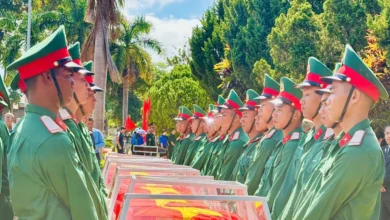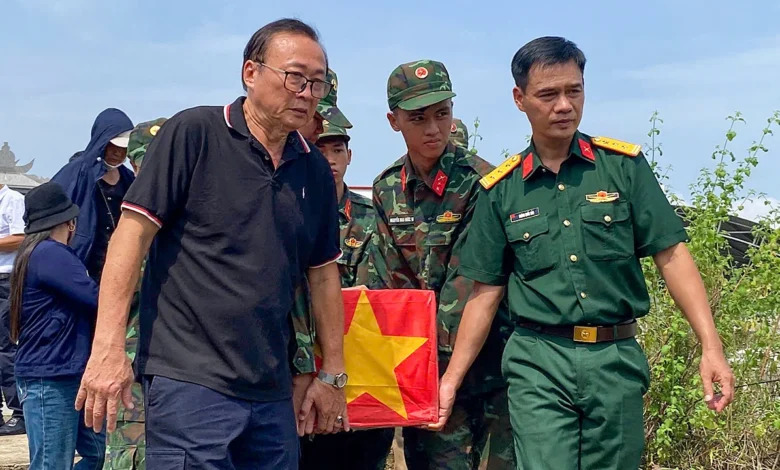
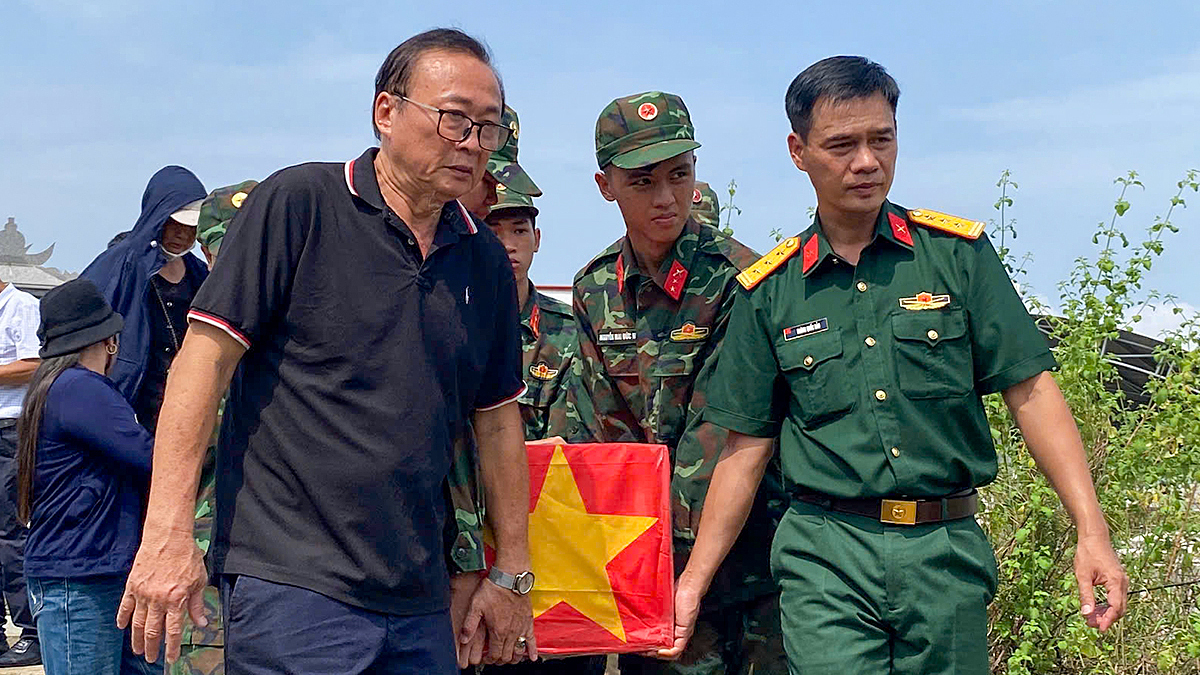
For nearly four decades, the quiet commitment of a 62-year-old man named Vo Dinh Thuc has culminated in a significant historical milestone for the city of Da Nang, Vietnam. On September 15, 2026, the final chapter of a long-held promise began to unfold at the Thu Bon commune, where the remains of 17 soldiers—previously unidentified and buried in a collective grave—were exhumed with full military honors. This event marks the end of a remarkable journey for Thuc, who has acted as a self-appointed guardian of these fallen heroes since his youth.
The discovery and subsequent reburial process underscore the enduring legacy of the Vietnam War and the profound, often quiet, efforts made by individuals to ensure that those who sacrificed their lives for the nation are not forgotten.
A Chance Discovery and a Lifelong Vow
The story began in the late 1980s. In 1987, Thuc, then a 22-year-old soldier, was passing through the Doi Tai area during his service. He stumbled upon an active construction site where a bulldozer was clearing land for a local radio station. In the process, the machinery unearthed a burial site containing the remains of multiple soldiers.
The scene was harrowing: 17 bodies, bound together by old wire, lay in a mass grave. Scattered among the skeletal remains were remnants of clothing, tattered parachutes, and personal items, including a leather wallet. It was evident that these were soldiers of the liberation army, likely fallen during a 1970 battle in the Doi Tai area. After being captured and executed by enemy forces, they had been cast into a common pit.
Deeply moved by the sight, the young soldier took it upon himself to collect the remains. With no immediate government resources available at the time to conduct a formal exhumation, Thuc spent an entire day—from 8:00 AM to 3:00 PM—carefully gathering the bones and fragments. He wrapped them in fabric and moved them to a safer location near the district military headquarters, where they were given a temporary burial.
Chronology of a Four-Decade Mission
Following his discharge from military service in late 1988, Thuc moved to Ho Chi Minh City to build a career. Despite the distance and the demands of establishing a business, his connection to the 17 soldiers remained a constant, guiding force in his life.
- 1987–1988: Initial discovery of the remains in Doi Tai and the first temporary burial conducted by Thuc alone.
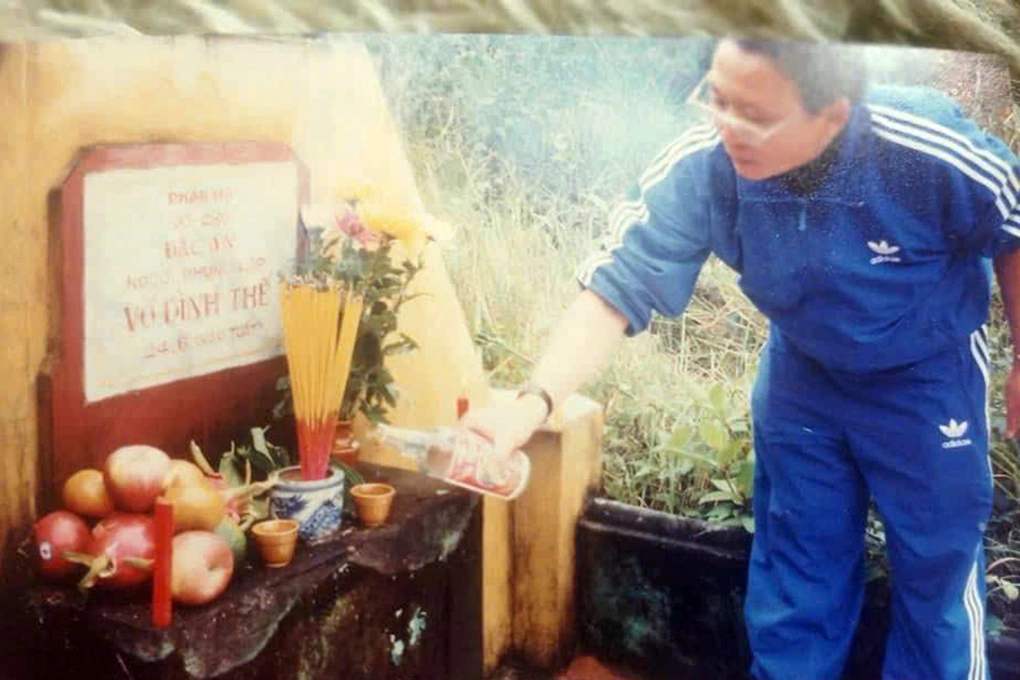
- 1990s–2010s: Thuc achieves professional success in real estate and trade, consistently dedicating his earnings to the care of the remains. He funded the construction of a permanent concrete grave at the site, complete with a plaque labeling it a "Nameless Grave."
- 2019: The military headquarters in Hiep Duc district announced plans to expand, threatening the site where the remains were buried. Thuc, upon hearing this, worked tirelessly to secure permission to relocate the remains to his family’s ancestral plot in Thu Bon, Quang Nam.
- 2026: Following years of advocacy and the verification of historical records by military experts and eyewitnesses, such as former battalion commander Tran Phuoc Sao, the Da Nang authorities officially recognized the site and authorized a formal, state-led exhumation and reburial process.
The Human Element: An Unseen Bond
Thuc has often described the 17 martyrs as his "invisible kin." His dedication went beyond simple duty; he viewed himself as their steward. For years, he held private ceremonies on July 27—Vietnam’s Invalids and Martyrs Day—preparing 17 sets of offerings, including rice, incense, and tea, to honor their spirits.
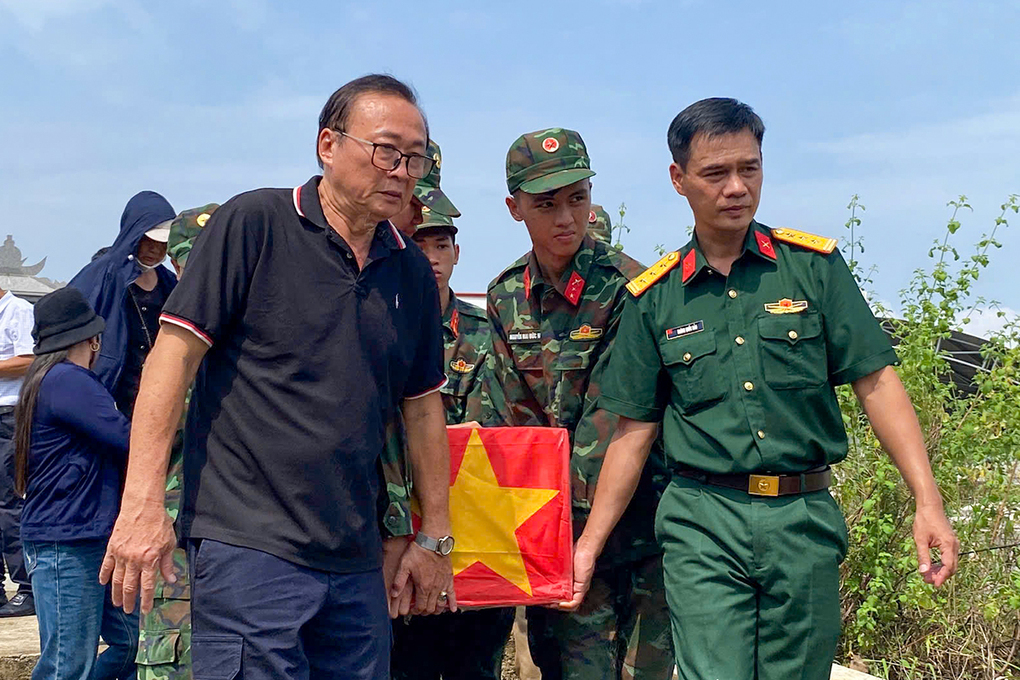
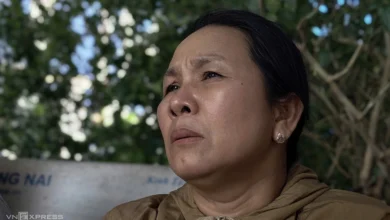
His persistence was not without its challenges. Thuc faced periods of financial instability and personal health scares, including a severe health crisis in late 2024. Yet, he attributed his survival to the intervention of the very men he cared for. "The people outside call me their ‘invisible attendant,’ but I feel the opposite," Thuc shared during the recent exhumation. "They were the ones who watched over me and guided me through the darkest moments of my life."
Official Recognition and Historical Accuracy
The formal exhumation process conducted in July and September 2026 was the result of meticulous cross-referencing between the physical evidence Thuc provided and official military records. By involving veterans and historians who had direct knowledge of the 1970 battle, the authorities were able to confirm the circumstances of the soldiers’ deaths.
On September 8, 2026, the People’s Committee of Da Nang issued the formal decree for the systematic exhumation. On September 17, the remains were relocated to the Hiep Duc Martyrs’ Cemetery. Crucially, the authorities also initiated a DNA sampling program, aiming to restore names to these individuals. For families who have spent decades searching for missing loved ones, this provides a beacon of hope that the cycle of uncertainty may finally be coming to an end.
The Broader Implications for Post-War Reconciliation
The case of the 17 martyrs serves as a poignant reminder of the thousands of soldiers still officially listed as "missing in action" in Vietnam. While the government has ramped up efforts to find and identify remains, the role of local citizens like Vo Dinh Thuc is indispensable.
The broader implications of this event are threefold:
- Healing for Families: The identification process is a critical component of national reconciliation and psychological closure for families across the country.
- Preservation of History: The cooperation between private citizens and state institutions demonstrates the importance of oral history. Without Thuc’s preservation of the site and his detailed accounts of the discovery, these soldiers might have been lost to the expansion of infrastructure.
- National Ethics: The state’s commitment to providing full honors, including the burial in the Hiep Duc Martyrs’ Cemetery, reinforces the cultural and ethical priority placed on "repaying the debt of gratitude" to those who fought for national independence.
As the remains now rest in the dignified surroundings of a formal cemetery, Thuc’s role as their lifelong guardian shifts. While he admits to feeling a sense of emptiness now that the site in his home province will no longer be visited by the spirits he spent 40 years tending to, he finds solace in the knowledge that they are finally home.
"I am happy because their long wait is over," Thuc said, his voice thick with emotion. "They are no longer wandering in the cold. They are back with their brothers-in-arms, where they belong."
The story of the 17 soldiers and the man who refused to let them be forgotten stands as a testament to the power of personal conscience and the enduring nature of human compassion, proving that even after the guns fall silent, the duty to those who fell continues in the hearts of the living.