The geopolitical landscape of the Arctic has undergone a significant transformation following the announcement of a landmark security agreement between the United States, Denmark, and Greenland. The deal, which aims to formalize and solidify American military presence and strategic cooperation on the world’s largest island, has elicited a range of responses from the residents of Nuuk to the halls of power in Copenhagen and Washington. While proponents argue that the agreement provides much-needed stability and economic investment, others remain cautious, citing a lack of transparency regarding the finer details of the pact.
A Strategic Shift in Arctic Security
The agreement comes as a direct result of President Donald Trump’s renewed focus on the Arctic, a region increasingly viewed as a critical theater for global security. According to officials, the pact grants the United States "permanent control" over security aspects of Greenland, effectively formalizing a role that has existed informally since the Second World War. Under the terms of the agreement, the United States is prohibited from establishing new bases, deploying significant military hardware, or initiating major infrastructure investments without explicit written consent from the relevant authorities.
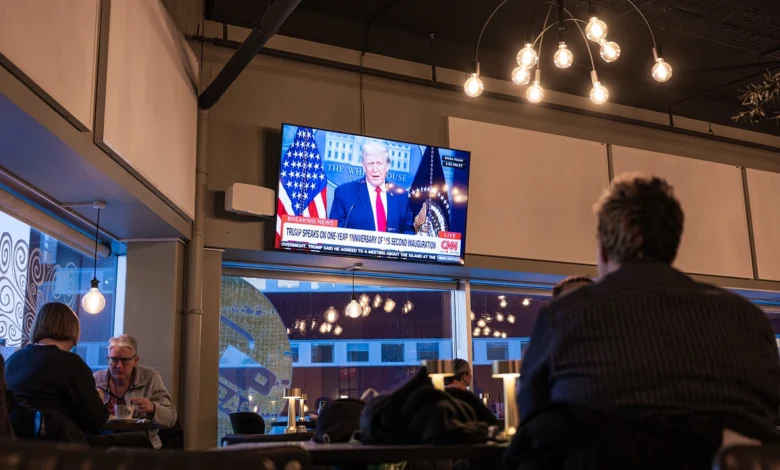
This development follows years of intermittent discussions regarding the status of the island. President Trump had famously floated the idea of purchasing Greenland during his first term, a proposal that was met with firm rejection by Danish officials. However, following his second-term inauguration, the administration pivoted toward a more structured, security-oriented framework. For the U.S., the agreement addresses long-standing concerns regarding the protection of Arctic shipping lanes and the monitoring of airspace in the face of rising competition from other global powers.
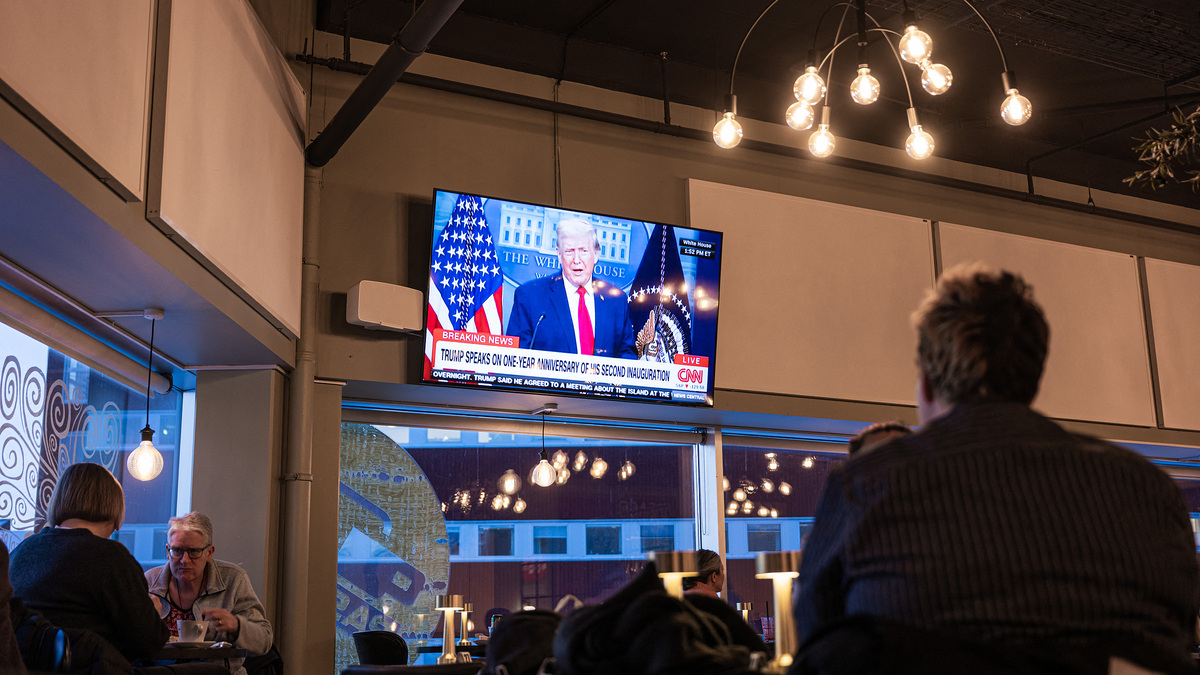
Chronology of the Greenland-U.S. Engagement
The relationship between the U.S. and Greenland is deeply rooted in 20th-century history. The following timeline outlines the key milestones leading up to this latest development:
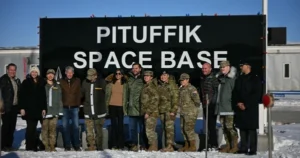
- 1951: The United States and Denmark sign a defense treaty, which provided the legal foundation for the construction of Thule Air Base, now known as Pituffik Space Base. This base remains a cornerstone of U.S. missile early-warning systems.
- 2004: The original 1951 agreement is updated, clarifying the roles of both nations and ensuring Greenlandic participation in decisions affecting the island’s security.
- 2019: During his first term, President Trump expresses interest in purchasing Greenland, sparking a diplomatic rift between Washington and Copenhagen.
- January 2026: Renewed diplomatic efforts begin following the inauguration of President Trump for a second term, focusing on security cooperation rather than territorial acquisition.
- September 19, 2026: The official announcement of the security agreement is made, signaling a new era of cooperation.
- Upcoming (Late September 2026): The formal signing of the document is expected to take place on the sidelines of the United Nations General Assembly in New York.
Supporting Data and Strategic Context
Greenland spans approximately 2.16 million square kilometers and is home to roughly 57,000 people. Its geographical position between North America and Europe makes it an essential node for trans-Atlantic communications and defense. Beyond its military utility, the island is rich in natural resources, including rare earth elements that are increasingly vital for modern technology and defense manufacturing.
The U.S. interest in the region is driven by more than just geography. As sea ice in the Arctic continues to diminish, the potential for new commercial shipping routes and the exploitation of untapped mineral wealth has intensified. The U.S. Department of Defense has identified the Arctic as a region where the "great power competition" is most likely to play out, necessitating a robust, long-term strategic posture. By securing this agreement, Washington aims to maintain a predictable environment for its operations while respecting the sovereignty of the Kingdom of Denmark.
Official Responses and Diplomatic Balancing
The diplomatic challenge of the agreement lies in balancing U.S. security requirements with the autonomy of Greenland and the sovereignty of Denmark. Danish Prime Minister Mette Frederiksen has characterized the deal as a positive development for NATO and the broader European security architecture. She emphasized that the document respects the "red lines" of Danish interests while providing a clear framework for long-term cooperation.
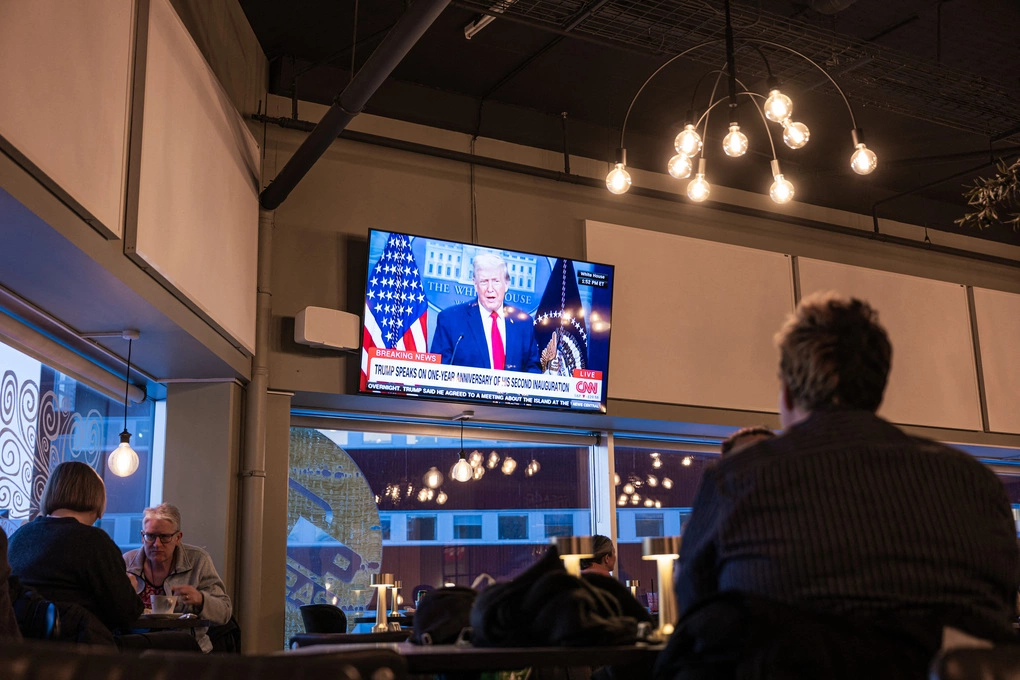
"We are looking forward to a period of stability," said Danish Foreign Minister Lars Lokke Rasmussen. Writing on social media, he added that the agreement represents a modernization of the 1951 defense pact, ensuring that the security arrangements in the North Atlantic are fit for the challenges of the 21st century.
However, the sentiment on the ground in Greenland is nuanced. While many residents appreciate the potential for economic investment and the stabilization of the security landscape, there is a lingering skepticism. For many, the "devil is in the details." Legal experts, such as attorney Kathrine Rasmussen, have noted that the lack of public clarity regarding specific provisions of the agreement is the primary source of public concern. "When the President speaks of a ‘deal,’ one must carefully examine the fine print to understand the implications for our local governance," she stated.
Public Opinion and Economic Implications
In Nuuk, the capital of Greenland, the reaction has been mixed. Some residents, like local business consultant Steffen Nielsen, view the deal as a pragmatic necessity. "This should help calm the situation," Nielsen noted, expressing a desire for the parties to move past the rhetoric of the past and focus on tangible, constructive outcomes.
Others are more skeptical. Jakob Pedersen, a 36-year-old local administrator, expressed concern that the values of the current U.S. administration do not align well with those of the Greenlandic people. "I am not convinced that this agreement will receive much support from the general population," he said. Meanwhile, IT specialist Soren, 52, suggested that while the clarity of the agreement is welcome, it may require a period of adjustment. "I wouldn’t be surprised if we have to take one step back to take two steps forward," he added.
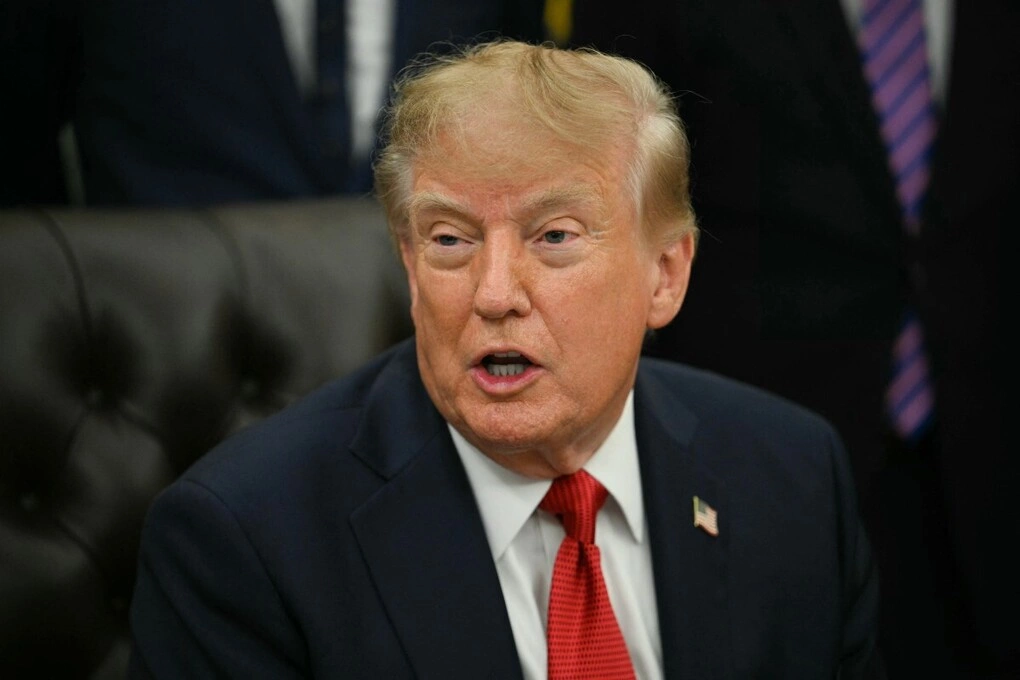
Analysis: The Broader Implications
From a geopolitical perspective, the agreement serves as a clear signal of the United States’ commitment to the Arctic. By formalizing its presence, the U.S. is not only securing its own strategic interests but also providing a framework that allows its allies in Copenhagen and Nuuk to participate in the regional security architecture with greater certainty.
Marc Jacobsen, a researcher at the Royal Danish Defence College, suggests that the deal represents a diplomatic victory for all parties involved. "President Trump has achieved what he set out to do, which is to realize a deal-making objective, while Denmark and Greenland have secured a partner that recognizes their sovereign interests," Jacobsen explained.
For Greenland, the primary benefit will likely come in the form of increased economic assistance and development projects linked to the expanded U.S. military presence. For Washington, the agreement provides a stable platform for monitoring a region that is becoming increasingly critical to global security.
As the international community watches, the success of this agreement will depend on the implementation phase. If the transparency issues raised by local stakeholders are addressed, the deal could serve as a model for how global powers can manage strategic interests in sensitive regions through formal, respectful, and mutually beneficial negotiations. The upcoming signing at the United Nations will be the next major step in this unfolding narrative, marking a significant chapter in the history of Arctic diplomacy.
Related posts: