Vietnamese Consumer Goods Expand Footprint Across Major U.S. Retail Networks Through Strategic Partnerships

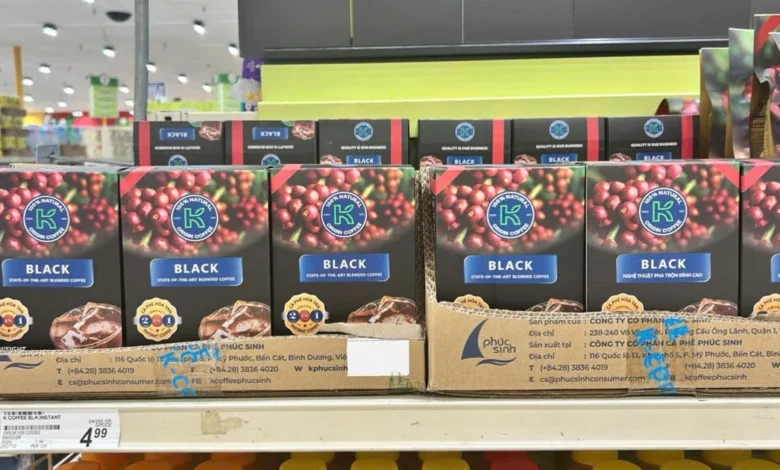
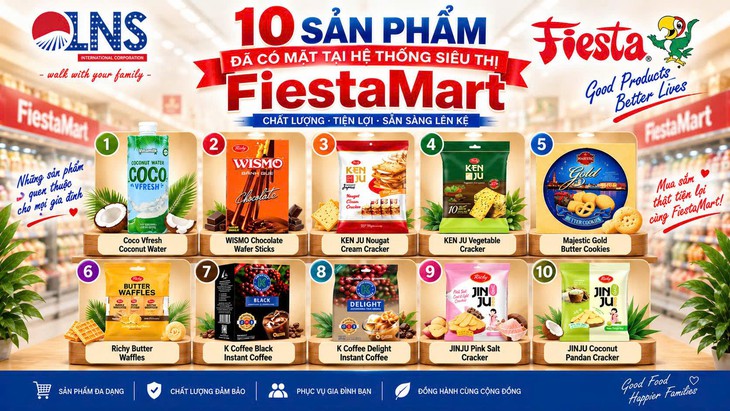
Vietnamese consumer goods are experiencing a historic surge in mainstream American retail markets, marking a significant departure from their traditional confinement within niche ethnic enclaves and Asian supermarkets. Following successful distribution rollouts in prominent supermarket chains such as H Mart, H-E-B, and Costco, an additional ten signature Vietnamese products have officially secured shelf space across 48 Fiesta Mart locations throughout Texas. This milestone represents the culmination of nearly a year of rigorous negotiation, supply chain optimization, and regulatory alignment managed by LNS, a premier agency specializing in the introduction and distribution of Vietnamese merchandise to the United States market.
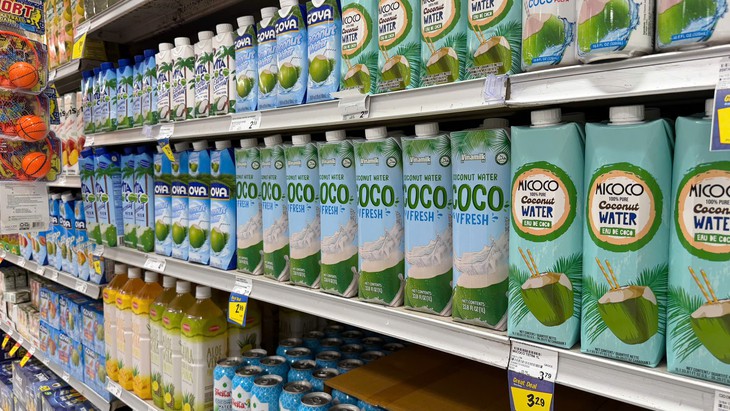
The inclusion of these products in Fiesta Mart—a regional grocery staple renowned for serving diverse consumer demographics across Houston, Dallas-Fort Worth, and Austin—underscores a broader trend of international market penetration. The newly introduced product lineup features a curated selection designed to appeal to both the domestic Vietnamese-American diaspora and mainstream American shoppers seeking authentic global flavors. Among the highlighted items are Vinamilk coconut water, two distinct product lines from K Coffee, and seven varieties of crackers, biscuits, and waffles produced by Richy, one of Vietnam’s leading confectionery manufacturers.
Strategic Distribution Expansion Across the United States
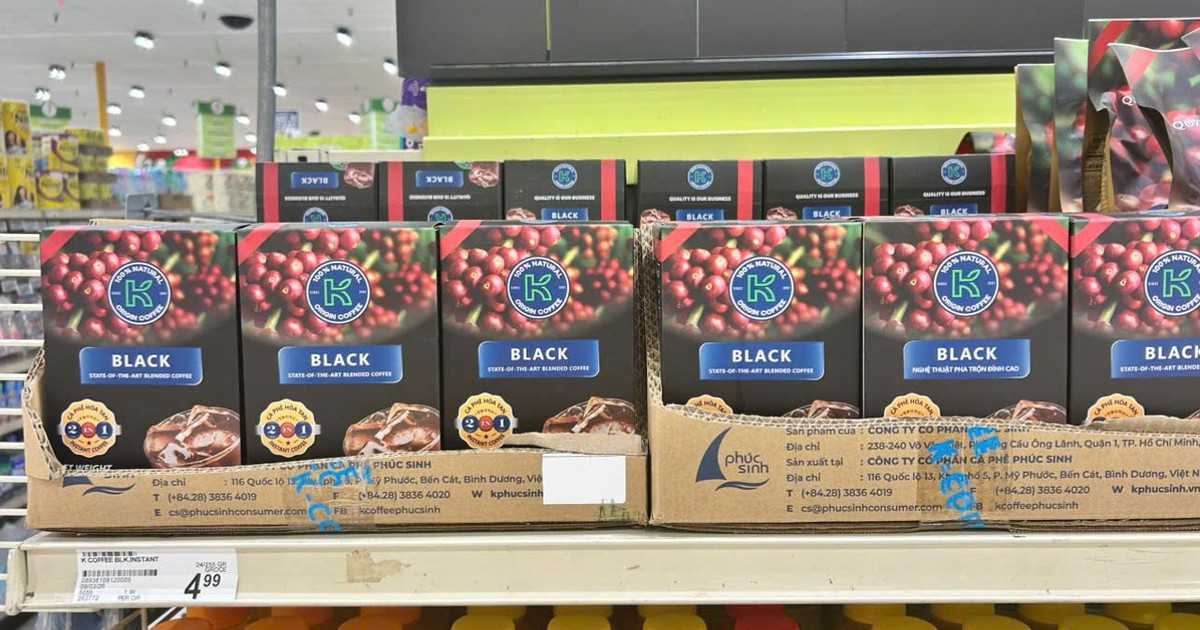
The steady integration of Vietnamese brands into mainstream U.S. retail is not an isolated event but rather the result of a deliberate, phased expansion strategy executed by manufacturing conglomerates and export facilitators. Prior to entering Fiesta Mart, LNS successfully introduced 33 distinct Vietnamese products into H Mart, widely recognized as one of the largest Asian supermarket chains in the United States. This initial beachhead allowed manufacturers to test consumer response and refine their logistical pipelines to meet the high standards demanded by large-scale American retailers.
Furthermore, the momentum continued into early 2026 when celebratory gift boxes and holiday confectionery lines from Richy and Ikachi secured placement within H-E-B, a venerable Texas-based retail giant boasting a history spanning nearly 120 years of operations. These milestones collectively signal that Vietnamese consumer goods are successfully transcending the boundaries of traditional Asian grocery stores, positioning themselves directly alongside global brands in mainstream supermarket aisles.
The expansion extends even further into major wholesale clubs and big-box retailers. Earlier in 2026, Chinsu fish sauce—a household staple in Vietnam—made its debut on the shelves of Costco warehouses across the United States. This followed the successful entry of Vietnamese rice varieties into Costco stores throughout 2025, after rigorous quality assurance inspections and compliance audits established by the stringent regulatory framework of the U.S. market. Concurrently, other prominent Vietnamese food and beverage brands, including Trung Nguyen’s iconic G7 instant coffee and various CHIN-SU condiments, have solidified their presence across nationwide H Mart branches.
The Rising Profile of Vietnamese Exports
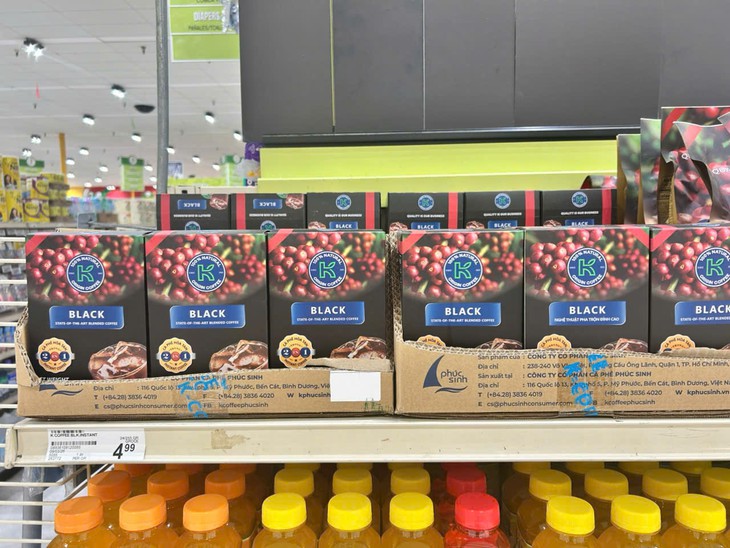
Despite these notable achievements, industry insiders and trade experts acknowledge that Vietnamese consumer goods still lack the ubiquitous brand recognition and cultural cachet enjoyed by products originating from Thailand, Japan, or South Korea. While American consumers routinely recognize designations such as "Thai Hom Mali Rice" or associate South Korea with the powerhouse marketing of "K-Food," Vietnamese brands have historically struggled to achieve similar top-of-mind awareness.
Market analysts emphasize that this deficit is not a reflection of product quality. On the contrary, American consumers who sample Vietnamese culinary goods consistently praise their flavor profiles, authenticity, and competitive pricing. Rather, the challenge lies in the historical absence of a unified national branding strategy and a cohesive long-term export roadmap. For decades, many Vietnamese manufacturers operated as original equipment manufacturers (OEMs) or relied heavily on fragmented, small-scale distributors, missing the opportunity to build robust, consumer-facing national brands overseas.
Recognizing this gap, export agencies and domestic enterprises are recalibrating their approaches. The objective has evolved past the initial hurdle of merely securing initial placement on American shelves. Representatives from LNS emphasized that the ultimate measure of success is sustained consumer traction, repeat purchases, and the long-term establishment of a resilient commercial footprint.
"Our goal is not simply to place Vietnamese goods into American supermarkets; more importantly, it is to ensure these products sell, that consumers return to purchase them again, and that we collaboratively build a permanent foothold in this market," a representative from LNS stated.
Challenges and Requirements for Sustainable Growth
Achieving long-term viability in the highly competitive U.S. retail landscape demands strict adherence to international commercial standards. For Vietnamese enterprises aiming to sustain shelf-space longevity, the requirements extend far beyond initial export clearance. Retail giants in the United States enforce stringent criteria regarding product consistency, packaging compliance, complex import regulations, reliable supply chain stability, and robust brand storytelling.
Maintaining a continuous supply chain without inventory disruptions is paramount for large American retailers, which operate on tight logistical margins and penalize suppliers heavily for stockouts. Additionally, navigating the multi-tiered regulatory environment overseen by agencies such as the U.S. Food and Drug Administration (FDA) requires substantial capital investment in packaging, nutritional labeling, and quality control infrastructure.
To overcome these hurdles, Vietnamese producers are increasingly partnering with specialized trade connectors like LNS that possess deep expertise in American retail dynamics. Following the initial product rollout at Fiesta Mart, the distributor plans to launch targeted in-store tasting events, promotional campaigns, and localized marketing initiatives designed to boost brand visibility among American shoppers who may be unfamiliar with traditional Vietnamese flavors.
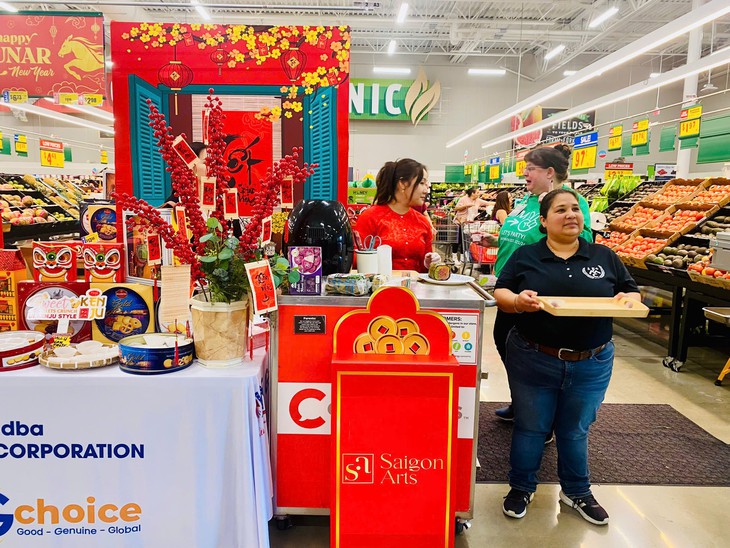
Implications for the Broader Economy
The successful penetration of mainstream U.S. retail networks by Vietnamese brands carries significant implications for Vietnam’s export-driven economy. As traditional export markets face economic headwinds and shifting consumer demands, diversifying trade portfolios through value-added consumer goods provides a vital buffer for domestic manufacturers.
Transitioning from bulk agricultural commodities—such as raw coffee beans, unbranded rice, and crude agricultural materials—to packaged, consumer-ready goods significantly enhances profit margins for domestic producers. This shift aligns closely with national economic strategies aimed at moving Vietnamese enterprises higher up the global value chain, fostering innovation, and strengthening intellectual property protection for domestic brands.
Furthermore, the growing presence of Vietnamese goods in American supermarkets serves as a powerful cultural ambassador. Food and beverage exports act as a tangible bridge between nations, fostering greater appreciation for Vietnamese culture and culinary heritage among international consumers. As more American households incorporate products like premium fish sauce, coconut water, specialty coffee, and artisan snacks into their daily cooking habits, the cultural visibility of Vietnam deepens organically.
Looking ahead, industry stakeholders remain cautiously optimistic. While significant work remains to elevate Vietnamese brands to the household-name status currently enjoyed by neighboring Asian competitors, the foundational infrastructure is now firmly in place. With major retail partners like Costco, H-E-B, H Mart, and Fiesta Mart validating the market demand, Vietnamese consumer goods are well-positioned to embark on a new era of sustained international growth and commercial success within the United States.