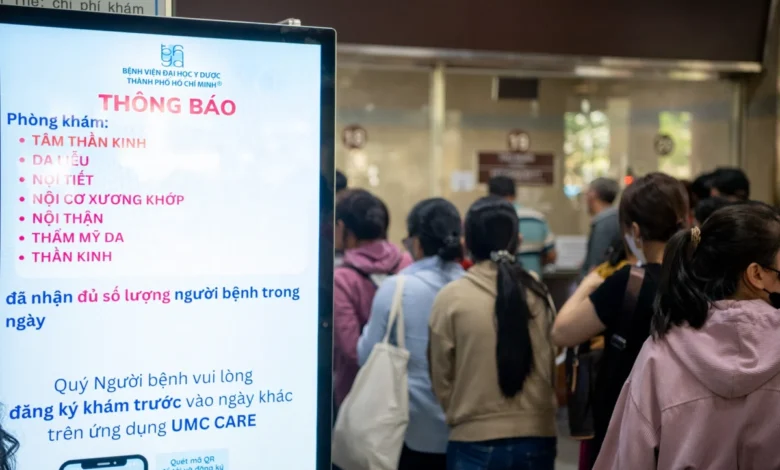
The digital transformation of healthcare services in major urban centers has long been heralded as a cornerstone for improving patient experiences, reducing administrative bottlenecks, and optimizing hospital workflows. However, the practical integration of online appointment booking applications and health insurance (BHYT) procedures continues to present significant hurdles for patients. Recent feedback from individuals seeking medical attention at the University Hospital of Medicine and Pharmacy in Ho Chi Minh City highlights persistent systemic friction, particularly concerning the scarcity of digital appointment slots and mandatory procedural redundancies for chronic disease management. While digital tools aim to streamline hospital visits, unexpected operational barriers often leave vulnerable populations—such as the elderly and those reliant on statutory health insurance—grappling with prolonged wait times and fragmented care pathways.
The Digital Booking Bottleneck and Patient Frustrations
The implementation of mobile applications for hospital registration was designed to empower patients by allowing them to select specific dates, time frames, and preferred physicians remotely. In theory, this innovation eliminates the traditional burden of arriving at healthcare facilities in the early hours of the morning to queue for physical numbers, thereby mitigating overcrowding across specialized departments. Nevertheless, the reality on the ground often diverges sharply from these systemic objectives.
High demand for specific medical specialties frequently results in digital slots being exhausted weeks in advance. For many patients managing chronic conditions such as diabetes and hypertension, scheduling regular follow-up visits requires meticulous advance planning. When appointment quotas fill up rapidly, patients find themselves locked out of the digital booking system, forcing them to resort to traditional walk-in methods. This dynamic undercuts the intended convenience of digital health infrastructure, returning patients to the very scenes of congestion and long queues that technological interventions were meant to resolve.
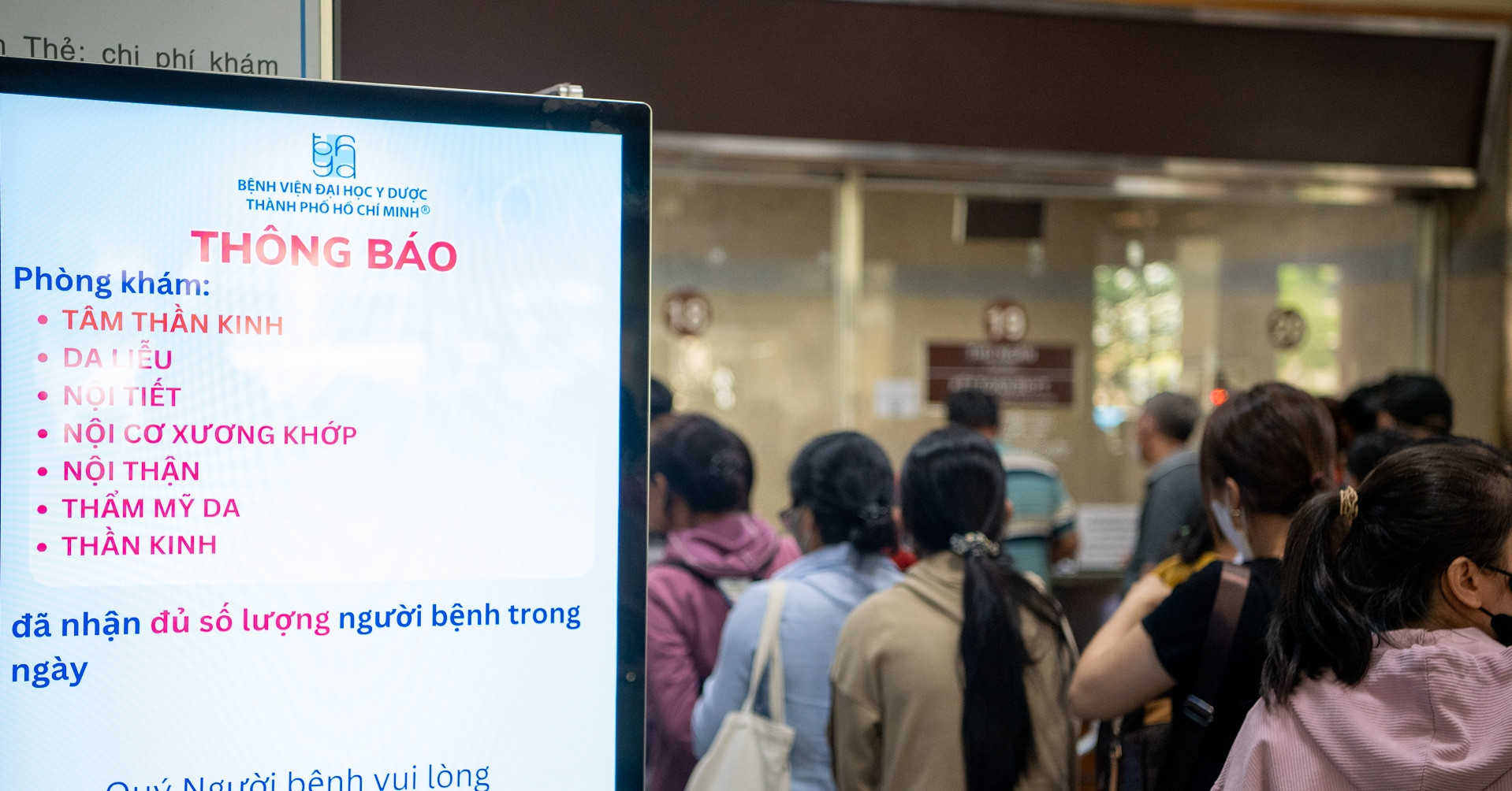
Administrative Redundancies in Health Insurance Protocols
Compounding the challenges of digital booking are the complex administrative requirements associated with health insurance claims, which frequently disrupt standard medical workflows. A primary point of contention involves the mandatory requirement for chronic disease patients to encounter a physician twice during a single visit.
Under current operational guidelines, patients returning for routine chronic disease monitoring are typically expected to bring diagnostic results from their previous visit, undergo scheduled laboratory tests, and subsequently consult a physician to review findings and receive prescriptions. However, when patients attempt to integrate health insurance benefits into this workflow, unexpected procedural roadblocks emerge. Rather than permitting the direct utilization of previous diagnostic orders or streamlined laboratory pathways, administrative protocols frequently mandate an initial consultation with a physician to issue fresh diagnostic requests. Following this preliminary meeting, patients must proceed to testing laboratories before returning for a second consultation on the same day to finalize treatment plans.
This dual-consultation requirement significantly increases waiting times, heightens physical fatigue for elderly or chronically ill patients, and often results in individuals forfeiting certain health insurance benefits at the testing phase. Consequently, many patients are left questioning whether these bureaucratic hurdles stem from statutory health insurance regulations or hospital-specific administrative protocols.
Institutional Explanations and Operational Realities

In response to growing public feedback regarding digital booking constraints and procedural redundancies, hospital leadership has provided detailed clarifications to address patient concerns and outline the rationale behind existing institutional frameworks.
Addressing the issue of scarce digital appointment slots, Dr. Tran Viet Thang, Head of the Examination Department at the University Hospital of Medicine and Pharmacy in Ho Chi Minh City, emphasized that while online registration successfully minimizes physical congestion, system limitations remain unavoidable when patient demand drastically outstrips available capacity. When preferred schedules or physicians are fully booked, patients are encouraged to select alternative specialists within the same discipline or opt for the nearest available dates. For scheduled follow-ups, the hospital strongly recommends securing new appointments immediately upon concluding a current visit to maintain continuity of care. Furthermore, hospital administrators acknowledge that certain clinical scenarios necessitate urgent evaluation due to unexpected health developments, such as adverse drug reactions or post-discharge complications. In such cases, patients are advised to visit the reception desks directly for priority assistance or proceed immediately to emergency facilities if critical symptoms arise.
Regarding the mandatory dual-consultation process for health insurance beneficiaries, hospital representatives defended the procedure as a necessary clinical safeguard. Although acknowledging that the workflow increases waiting times, institutional guidelines dictate that health insurance funds can only reimburse clinical interventions and paraclinical services that are explicitly justified and recorded within the specific parameters of the current medical encounter. Consequently, diagnostic orders from previous visits cannot be legally repurposed across separate billing cycles without a fresh medical evaluation. Hospital management maintains that this rigorous adherence to regulatory compliance ensures appropriate medical governance, safeguards patient safety through continuous clinical oversight, and provides a lawful basis for statutory insurance settlements.
Broader Implications for Healthcare Digitalization
The friction experienced by patients at major medical institutions underscores a broader challenge facing healthcare systems undergoing rapid modernization. As tertiary hospitals in major economic hubs like Ho Chi Minh City and Hanoi regularly handle unprecedented patient volumes—frequently exceeding 8,000 to 10,000 outpatient visits per day—the pressure on digital infrastructure and administrative frameworks intensifies.

While technological investments in pre-registration platforms, electronic health records, and automated queuing systems are vital for long-term sustainability, their successful integration requires a delicate balance between administrative efficiency, statutory compliance, and human-centric design. Discrepancies between digital capabilities and ground-level execution risk alienating demographic groups less adept at navigating digital interfaces, particularly elderly populations reliant on statutory health benefits.
Bridging the gap between institutional policy and patient experience necessitates continuous refinement of digital platforms, enhanced on-site customer support, and clearer communication channels regarding regulatory constraints. By addressing these systemic bottlenecks, healthcare providers can better fulfill the dual mandate of maintaining rigorous clinical standards while delivering accessible, compassionate, and efficient care to the broader public.